

Roxid 300mg (Roxithromycin)
Previous product
Natamet Eye Drop (Natamycin)
$26.25 $86.25Price range: $26.25 through $86.25
Next product

Arkamin H (Clonidine/Hydrochlorothiazide)
$16.50 $68.75Price range: $16.50 through $68.75
$37.00 $91.00Price range: $37.00 through $91.00
In Stock
In Stock
Roxid 300mg (Roxithromycin)
| Pack Size | Price | Quantity | Add To Cart | |
|---|---|---|---|---|
| 50 Tablet/s | $37.00 | |||
| 100 Tablet/s | $61.00 | |||
| 150 Tablet/s | $91.00 | |||
| Want to order in bulk / B2B price? Send Inquiry | ||||
×
Sorry!! Out of Stock
Sorry! Roxid 300mg (Roxithromycin) is out of stock
Please click below to view other similar medications.
View All Roxithromycin Products
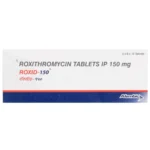
Offer You Can't Resist
Free Shipping
Enjoy Free Shipping on Orders above AUD304 (USD199)
Estimate Shipping :
07 June - 14 June
44
Excellent service
Excellent service! My order was processed quickly and delivered on time. The medicines were well-packaged and exactly as described. Highly recommended.
 Australia
May 26, 2026
Last Updated on May 18, 2026

Description
Roxid 300mg (Roxithromycin): Uses, Dosage, Side Effects, and Precautions
Antibiotics are among the biggest medical advancements of the past, helping us tackle bacterial infections with ease and helping save the lives of countless people. There are a myriad of antibiotics on the market currently. Roxid 300mg is a powerful antibiotic that contains Roxithromycin, which is a standout as an extremely used macrolide antibiotic. It is used to treat various types of bacterial infections. Roxid 300 mg is highly regarded for its efficacy and has relatively low adverse effects.
In this thorough article, we’ll dive into Roxid 300mg — its mechanisms of effect, usages of dosage, the potential adverse effects, warnings, as well as other important information that will assist you in understanding the medication more clearly.
What is Roxid 300mg?
Roxid 300mg is a drug version of the antibacterial Roxithromycin that falls under the macrolide category of antibiotics. Macrolides are renowned for being able to block the production of protein by bacilli, effectively stopping the growth and expansion of bacteria.
Key Information about Roxithromycin:
- Drug Class: Macrolide antibiotic
- Active Ingredient: Roxithromycin
- Strength: 300mg per tablet
- Form: Oral tablet or suspension
- Spectrum: It is effective primarily against Gram-positive bacteria and certain Gram-negative bacteria
Roxid is often utilized to treat the effects of infections due to bacteria that are susceptible to Roxithromycin, which is an effective treatment option for allergies to the skin and respiratory tract, as well as urinary tract infections.
How Does Roxithromycin Work?
Roxithromycin targets bacteria’s ribosomes, the mechanism that bacteria utilize to make proteins that are essential for their continued existence. It specifically binds the 50S subunit in the bacterial ribosome by preventing the extension of a peptide chain in the process of protein production.
This disruption in the production of proteins causes’ bacteriostatic consequencesthat is, it slows the growth of bacteria; however, it doesn’t immediately eliminate the bacterium. The immune system of the body helps eliminate the infection.
In light of this method of action, Roxithromycin is highly effective against many organisms, such as:
- Streptococcus pneumoniae
- Staphylococcus aureus (some strains)
- Haemophilus influenzae
- Chlamydia trachomatis
- Mycoplasma pneumoniae
- Legionella pneumophila
Common Uses of Roxid 300mg
Roxid 300mg can be prescribed to combat a variety of bacterial infections, including those affecting your respiratory tract, skin, and urinary tract.
- Respiratory Tract Infections
- Bronchitis: Chronic and acute bronchitis that is caused by a susceptible bacterium responds well to Roxithromycin.
- Pneumonia: In the majority of cases, pneumonia acquired from the community responds to macrolide antibiotics, such as Roxithromycin.
- Sinusitis: Infections of the paranasal sinuses.
- Tonsillitis and Pharyngitis: The cause is a bacterium such as Streptococcus Pyogenes.
- Whooping Cough (Pertussis): It is used to decrease the severity and time.
- Skin and Soft Tissue Infections
- Cellulitis
- Impetigo
- Erysipelas
- Urinary Tract Infections (UTIs)
While it’s not the initial treatment for all UTIs, Roxithromycin may be utilized to treat infections caused by resistant bacteria.
- Sexually Transmitted Infections
- Chlamydia trachomatis diseases can be managed successfully using Roxithromycin.
Dosage and Administration
Recommended Dosage
The dosage and time of treatment using Roxid 300mg vary based on the type of infection, its extent, the age of the patient, and other factors affecting health.
Adults
- Standard dose: 150mg to 300mg twice daily (every 12 hours).
- In the case of mild or moderate infections, a dosage of 150mg two times a day is typical.
- In the case of severe infections the dosage may be increased up to 300mg once every day.
- The duration of treatment typically ranges from five to ten days according to the patient’s responses.
Children
- Roxithromycin is dosed according to the body’s weight. It is typically around 5 to 8 mg/kg/day, divided into two doses.
- Formulations for children, such as suspensions, are frequently utilized.
Administration Tips
- It is recommended to take Roxid 300mg tablets either before or after you eat. Consuming it in conjunction with food may aid in reducing stomach upset.
- Take tablets whole and drink with the aid of a glass of water.
- Be consistent in your timing and ensure constant levels of drugs within the blood.
- Be sure to complete the whole regimen of antibiotics regardless of whether symptoms get better, for the purpose of preventing an increase in resistance or a relapse.
Potential Side Effects of Roxid 300mg
As with all antibiotics, Roxid 300mg can trigger side effects. The majority of side effects are minor and short-lived; certain side effects can be serious.
Common Side Effects
- Gastrointestinal symptoms: Nausea, vomiting, diarrhea, abdominal pain, and indigestion are the most frequent.
- Headache
- Dizziness
- Altered taste sensation
Less Common or Serious Side Effects
- Allergic reactions: Itching, rashes, swelling, or serious reactions, such as anaphylaxis (rare).
- Liver enzyme elevation: Mild increases in liver enzymes (AST, ALT) may occur.
- Jaundice: Extremely rare, but it is imperative to seek immediate medical treatment.
- Clostridium difficile-associated diarrhea: A rare but serious complication causing severe diarrhea.
- QT prolongation: Roxithromycin can alter heart rhythm in those with a high risk.
What To Do If Side Effects Occur
- In the case of mild symptoms such as headache or nausea, talk with your physician, but generally nothing is required.
- Do not take the medication. You should consult a doctor immediately if you have symptoms from reactions to an allergen (swelling of the throat or face, breathing difficulties, or extreme itching).
- Speak with your doctor if you experience abdominal or diarrhea-like pain or jaundice (yellowing of eyes or skin).
Important Precautions and Warnings
Before you take Roxid 300mg, certain steps should be taken into consideration.
Allergy and Hypersensitivity
- Tell your physician if you have an allergy history to antibiotics that are macrolide such as azithromycin, erythromycin, or clarithromycin.
- Cross-reactivity may occur between macrolides.
Liver and Kidney Function
- Patients suffering from kidney or liver impairment could require dose adjustment or monitoring.
- Contact the doctor of your chronic liver condition.
Pregnancy and Breastfeeding
- Roxithromycin is usually regarded as a Category B during pregnancy. Those means tests on animals show no risk; however, human studies are limited.
- Make use of it only when clearly required and ordered by a health expert.
- The drug enters the breast milk in tiny amounts. Consult your physician before you start breastfeeding.
Drug Interactions
Roxid 300mg can interfere with other drugs, which can lead to severe adverse effects or a change in drug efficacy. Some of the most significant interactions include:
- Warfarin and other blood thinners — could increase the risk of bleeding.
- Statins (cholesterol-lowering drugs) — could increase the risk of muscle-related issues.
- Antiarrhythmics as well as other medications that prolong QT intervals — potential to cause heart arrhythmias.
- Theophylline and carbamazepine — levels may be increased.
- Cyclosporine — is a need for monitoring because of the possibility of toxicity.
Make sure you inform your doctor of the medicines, supplements, and herbal remedies you’re using.
Resistance Concerns and Antibiotic Stewardship
One of the biggest problems for the field of modern medicine is the issue of antibiotic resistance. The misuse and overuse of antibiotics can lead to the development of resistance, making illnesses challenging to manage.
While you are taking Roxid 300mg, it’s important to:
- It is only used in cases of bacterial infections that have been verified or suspected by a doctor.
- Follow the entire prescribed course even if you are feeling better after you finish.
- Don’t share antibiotics or use any medication leftover to prevent the development of new infections.
- Do not ask your physician to prescribe antibiotics unless medically needed.
A responsible use can help ensure the effectiveness of antibiotics such as Roxithromycin for the future.
Storage and Handling
- Store Roxid 300mg tablets at room temperature (between 20-25°C).
- Place the medicine in the original package to keep it safe from the elements of light and moisture.
- Make sure that the area is safe for youngsters.
- Use the medication only after the expiration date.
Summary: Is Roxid 300mg the Right Antibiotic for You?
Roxid 300mg (Roxithromycin) is an effective macrolide antibiotic for the treatment of many bacterial diseases, especially those that affect the respiratory tract, the skin, and the urinary system. Its moderate side effect pattern and easy twice-daily dosing make it an extremely popular option.
Like other antibiotics, it needs to be administered with care to prevent the risk of resistance, side effects, and ineffective treatment.
Pros:
- It is effective against a wide range of common bacterial strains
- Generally well-tolerated
- Convenient dosing schedule
- It is suitable for those who are allergic to penicillin
Cons:
- Potential gastrointestinal discomfort
- Allergic reactions are a risk for sensitive people
- Possible drug interactions
- Not effective against viral infections (e.g., cold or flu)
Final Thoughts
If you or your loved one was prescribed Roxid 300mg, knowing this medication is vital for obtaining the most effective result. Follow your doctor’s instructions. Report any abnormal signs immediately, and stay away from taking self-medication.
Related products






Recently Viewed
Reviews
There are no reviews yet.