

Rovamycin Forte (Spiramycin)
Previous product
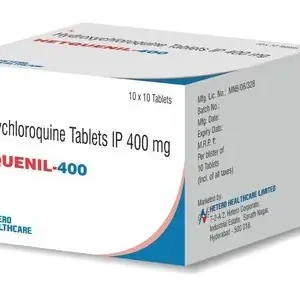
Hetquenil 400mg (Hydroxychloroquine)
$75.00 $200.00Price range: $75.00 through $200.00
Next product
Puretrig 5000iu (HCG)
$75.00 $181.25Price range: $75.00 through $181.25
$90.00 $206.25Price range: $90.00 through $206.25
In Stock
In Stock
Rovamycin Forte (Spiramycin)
| Pack Size | Price | Quantity | Add To Cart | |
|---|---|---|---|---|
| 30 Tablet/s | $90.00 | |||
| 60 Tablet/s | $143.75 | |||
| 90 Tablet/s | $206.25 | |||
| Want to order in bulk / B2B price? Send Inquiry | ||||
×
Sorry!! Out of Stock
Sorry! Rovamycin Forte (Spiramycin) is out of stock
Please click below to view other similar medications.
View All Spiramycin Products

Offer You Can't Resist
Free Shipping
Enjoy Free Shipping on Orders above AUD304 (USD199)
Estimate Shipping :
07 June - 14 June
41
Last Updated on May 18, 2026

Description
Rovamycin Forte (Spiramycin): A Comprehensive Overview
Within the field of antibiotics, there are many medicines that serve specifically to fight the spread of bacterial diseases. One antibiotic that has attracted a lot of recognition is Rovamycin Forte, which has its active component of spiramycin. This blog is designed to give an in-depth knowledge of the benefits of Rovamycin Forte, covering its applications, its mechanism dosage, possible side reactions, safety measures, and much more.
What is Rovamycin Forte?
Rovamycin Forte is a macrolide antibiotic that is used to treat a variety of bacterial-related diseases. Spiramycin, the active ingredient, is part of the macrolide class of antibiotics and works by inhibiting the production of proteins by bacteria. This blockage stops bacteria from multiplying and growing, and ultimately leads to the end of the disease.
Spiramycin is renowned for its broad-spectrum activities specifically against Gram-positive bacterial species, some Gram-negative bacteria, and a few abnormal pathogens. Rovamycin Forte is commonly prescribed for respiratory conditions and soft tissue infections as well as certain protozoal infections.
Historical Background of Spiramycin
Spiramycin was first identified in the 1950s and is now utilized in medicine because of its efficacy against various bacteria. Contrary to some antibiotics that have been able to overcome resistance in a large number of cases, spiramycin has been relatively efficient, mainly due to the fact that it’s not widely utilized as cephalosporins and penicillins.
A notable application of spiramycin is in treatments for toxoplasmosis, which is a condition that is caused by the protozoan parasite Toxoplasma gondii. Particularly, spiramycin has been utilized in the case of pregnant women to stop the spread of the toxoplasmosis virus from mother to fetus. A condition that could cause serious complications.
How Does Rovamycin Forte Work?
Spiramycin works by binding the 50S subunit in the Bacterial Ribosome. The binding process blocks processes of translocation during the elongation process, which is a crucial phase of the process of protein synthesis of proteins. In stopping this process, Spiramycin blocks bacteria from producing the essential proteins that are essential for their development and for their survival.
Since spiramycin acts as an anti-bacteriostatic (it blocks the growth of bacteria instead of killing the bacteria directly) and depends heavily on your immune system in order to finally eliminate the underlying disease. It is particularly useful when the immune system is in good health.
Common Uses of Rovamycin Forte
Rovamycin Forte is prescribed to treat various bacterial infections, which include, but aren’t the following:
Respiratory Tract Infections
Spiramycin is frequently employed for treating infections, such as:
- Bronchitis
- Pneumonia
- Sinusitis
- Pharyngitis and tonsillitis caused by susceptible bacteria
It’s especially helpful if an infection is caused by bacteria that are resistant to other antibiotics, or those who are allergic to penicillins.
Soft Tissue Infections
Rovamycin Forte is employed to treat soft tissue and skin inflammations, like wounds and cellulitis that are caused by susceptible microorganisms.
Toxoplasmosis Prophylaxis in Pregnancy
One of the most unique uses of spiramycin’s function is in the prevention of the congenital infection toxoplasmosis. The pregnant women who have been diagnosed with Toxoplasma gondii have spiramycin prescribed to decrease the chance of the parasite crossing into the placenta to infect the fetus.
Other Infections
Spiramycin is also used to treat certain ear infections as well as for urogenital infections that are caused by bacteria such as Mycoplasma and Chlamydia species.
Dosage and Administration
The dose of Rovamycin Forte is determined by the nature and severity of the infection as well as the patient’s weight and age. The drug is usually available as a tablet or in an oral suspension in the form of oral suspension.
- Adults: The dose that is typically prescribed for soft and respiratory diseases ranges from 1 to 3 million International units (IU) daily, broken down into two or three doses.
- Children: Dosage calculations are according to body weight. Generally between 25 and 50 mg/kg daily, broken down into several dosages.
It is essential to follow the doctor’s prescriptions precisely and to complete the full procedure, even if symptoms start to improve later, in order to avoid the development of resistance to antibiotics.
Pharmacokinetics of Spiramycin
Spiramycin can be absorbed through the mouth, but it is not completely bioavailable because of its sensitivity to stomach acid. The food you eat can alter the absorption, and people are advised to use it in conjunction by itself or with food, in accordance with medical advice.
When absorbed, spiramycin can be dispersed throughout the body. It has significant concentrations in the tonsils, lungs, and soft tissues, being particularly effective in the treatment of infections that affect these regions.
Spiramycin can be metabolized by the liver. It is then excreted via bile in the feces. There is some of it is being eliminated through the urine. The half-life for spiramycin is around 10 hours, permitting twice or thrice every day dosing.
Side Effects of Rovamycin Forte
As with all antibiotics like all antibiotics, Rovamycin Forte could cause unwanted side effects. However, many patients are tolerant to it. The most common side effects are:
- Gastrointestinal symptoms: Nausea, vomiting, diarrhea, abdominal discomfort
- Allergic reactions: The itching, the rashes, and, in a few instances, more extreme hypersensitivity reactions
- Liver enzyme elevation: The liver enzymes have been shown to increase in a short time. were reported
- Taste disturbances: Certain patients may experience a metallic taste
- Rare side effects: Dizziness, headache, or other neurological symptoms
If the side effects are serious or persistent, it’s important to consult a medical doctor. Allergies, particularly signs of a swollen face, breathing difficulties, or a severe rash, need immediate medical attention.
Precautions and Contraindications
Prior to beginning to take Rovamycin Forte, patients should consult their physician about any health conditions or allergies. Some important safety tips include:
- Allergy to macrolides: People who are allergic to erythromycin and other macrolide antibiotics must avoid Spiramycin.
- Liver disease: As spiramycin is processed by the liver, dosage modifications or regular monitoring could be necessary in patients who suffer from liver impairment.
- Pregnancy: Spiramycin is usually considered to be safe in pregnancy and is frequently used for toxoplasmosis treatment. But it must only be taken under the supervision of a medical professional.
- Breastfeeding: Spiramycin gets through breast milk in tiny quantities. Although generally accepted as safe for breastfeeding mothers, they must consult with a physician before using.
- Drug interactions: Spiramycin is able to be a drug that interacts with other medicines, such as anticoagulants, theophylline, and certain antiarrhythmic medicines. Make sure you disclose any medications to your doctor.
Resistance Issues and Considerations
The issue of antibiotic resistance is becoming a worldwide issue. Spiramycin resistance may be less prevalent than that of other macrolides it is possible to nevertheless occur. Inappropriate or excessive use of antibiotics can contribute significantly to the growth of bacterial strains resistant to treatment.
Spiramycin is often reserved by healthcare professionals in specific situations to reduce the possibility of resistance. Patients need to follow the prescribed dosages and stay clear of self-medication.
Comparison with Other Macrolides
Rovamycin Forte (spiramycin) is commonly contrasted with other macrolides such as clarithromycin or erythromycin, as well as azithromycin. Each one has its own unique spectrum of action, pharmacokinetics, and adverse effects profiles.
- Erythromycin: The most well-known macrolide is efficient, but frequently associated with digestive adverse reactions.
- Clarithromycin: Better bioavailability and a longer half-life than erythromycin. It is effective against a wide spectrum of bacteria.
- Azithromycin: Very lengthy half-life, allowing daily dosing. Typically used to treat respiratory illnesses.
The uniqueness of Spiramycin is in its application during pregnancy and in certain protozoal diseases, in which other macrolides may not be as suitable or effective.
Storage and Handling
Rovamycin Forte must be kept in a dry and cool location away from direct sunlight and humidity. Be sure to keep the medicine safe from the reach of young children. The oral suspension must be thoroughly shaken prior to using the medication, and any remaining suspension must be removed once the prescribed dosage has been finished.
Patient Counseling Tips
Patients who have been prescribed Rovamycin Forte must keep these things in mind:
- Make sure you take the medicine exactly according to the directions.
- Take the entire course, regardless of whether symptoms improve.
- Tell your physician about any supplements or medications currently being used.
- Inform us of any adverse reactions, including allergic reactions.
- Do not drink alcohol or eat certain food items as directed by your medical professional.
- Make sure to keep track of follow-up appointments so you can monitor the progress of treatment.
Conclusion
Rovamycin Forte, which contains spiramycin, is an effective antimicrobial to treat a variety of protozoal and bacterial diseases. Its function in preventing congenital toxoplasmosis makes it especially essential in prenatal health. Although generally effective and safe, the proper usage is crucial to prevent adverse consequences and to prevent the growth of resistance.
Similar to any antibiotic medication, medical supervision is required to get the best results. If you or your loved one is prescribed Rovamycin Forte, understanding its advantages, uses, and warnings will allow you to make use of this drug safely and effectively.
Related products











Reviews
There are no reviews yet.