
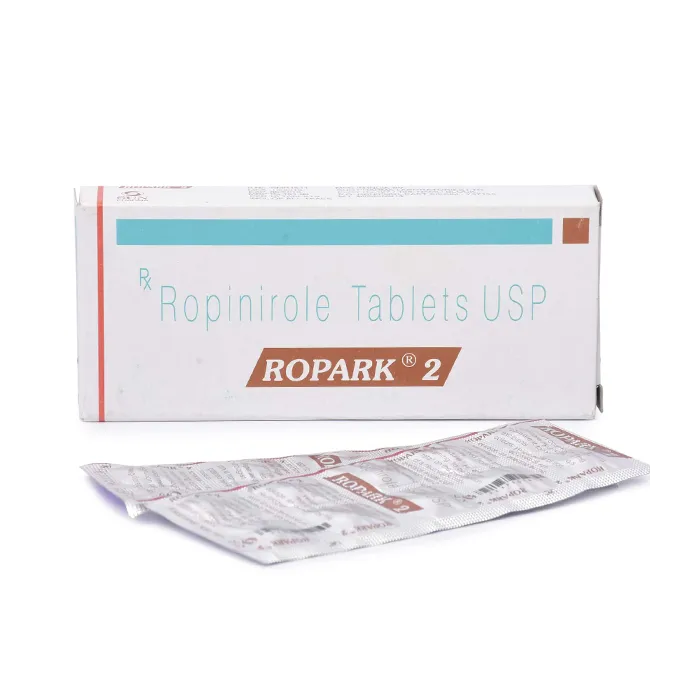
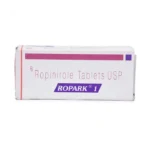
Ropark 2mg (Ropinirole)
Previous product
Rizact 5mg (Rizatriptan)
$64.50 $200.00Price range: $64.50 through $200.00
Next product
Selgin 5mg (Selegiline)
$17.50 $30.00Price range: $17.50 through $30.00
$22.50 $47.50Price range: $22.50 through $47.50
In Stock
In Stock
Ropark 2mg (Ropinirole)
| Pack Size | Price | Quantity | Add To Cart | |
|---|---|---|---|---|
| 30 Tablet/s | $22.50 | |||
| 60 Tablet/s | $33.75 | |||
| 90 Tablet/s | $47.50 | |||
| Want to order in bulk / B2B price? Send Inquiry | ||||
×
Sorry!! Out of Stock
Sorry! Ropark 2mg (Ropinirole) is out of stock
Please click below to view other similar medications.
View All Ropinirole Products
Offer You Can't Resist
Free Shipping
Enjoy Free Shipping on Orders above AUD304 (USD199)
Estimate Delivery :
21 October - 28 October
30
happily order again
Fast, convenient, and professional service. I would happily order again
 Australia
September 27, 2026
Last Updated on May 18, 2026

Description
Ropark 2mg (Ropinirole): A Comprehensive Guide
Ropark 2mg is a prescription medicine that is made up of Ropinirole, an agonist of dopamine, mostly used for treating the symptoms of Parkinson’s disease as well as Restless Legs Syndrome (RLS). Dopaminergic medications such as Ropark function by stimulating dopamine receptors inside the brain. They provide symptom relief for conditions in which dopamine signaling is not functioning properly.
This extensive blog article explains the details of what Ropark 2mg can do, its workings, and its medicinal uses and dosage guidelines, as well as side effects, safety precautions, drug interactions, and commonly requested queries. No matter if you’re a health professional, caregiver, or the following guide will give you a better understanding of the role Ropark 2mg plays in the treatment of neurological conditions.
What is Ropark 2mg?
Ropark 2mg refers to the trademark term used for a tablet that is a combination of ropinirole hydrochloride, which is equivalent to 2 milligrams of ropinirole. It is part of a group of medicines called dopamine antagonists that are not ergoline. Ropinirole works by mimicking the action of dopamine within the brain. This is especially beneficial for neurological situations where dopamine levels are diminished or not functioning properly.
Ropark is frequently utilized in two contexts of medicine:
- Parkinson’s Disease (PD): For managing motor-related symptoms such as stiffness, tremors, or the slowness of motion.
- Restless Legs Syndrome (RLS): Reduce the discomfort to move legs, usually in the evening or late at night.
How Ropark 2mg Works
To comprehend the way Ropark functions, it is necessary to consider the function played by dopamine inside our nervous system. Dopamine can be described as a chemical signal (neurotransmitter) that is responsible for transferring signals that are involved in movements enjoyment, motivation, and. When you suffer from Parkinson’s disease, the dopamine-producing neurons of the brain are damaged, which causes motor-related signs. In RLS Dopamine impairment is thought to be the primary cause.
Ropinirole is the active ingredient of Ropark. It binds to dopamine receptors, primarily D2 and D3 receptors, mimicking the effects produced by natural dopamine. Ropinirole isn’t a substitute for dopamine; however, it activates the same receptors, aiding in the reduction of symptoms due to dopamine deficiencies.
Uses of Ropark 2mg
Parkinson’s Disease
Ropark is used for treating both advanced and early stages of Parkinson’s disease. Early on, the drug can be utilized as a single therapy. For more advanced cases, the drug is usually combined with levodopa, which is the most commonly used Parkinson’s medication. Ropark assists in improving mobility, decreasing “off” events (when medications wear off), as well as lessening motor changes.
Restless Legs Syndrome (RLS)
Ropark is approved as a treatment for severe to moderate RLS. Patients suffering from RLS typically experience a strong need of moving their legs, often accompanied by unpleasant sensations. This can cause sleep disruption and affect the quality of living. Ropark 2mg reduces pain in the legs and promotes sleep quality by regulating dopamine signals.
Dosage and Administration
Parkinson’s Disease
In the case of Parkinson’s disease patients, ropinirole is generally started at a low dosage to limit adverse effects. It is then that it gradually increases the dose. It is usually 0.25 mg, three times a day. The doses are adjusted every week depending on tolerance and response. The recommended maximum dose is 24 mg daily. However, a lot of sufferers experience symptom relief with smaller dosages.
Titration Schedule (Example):
- Week 1: 0.25 mg three times a day
- Week 2: 0.5 mg three times a day
- Week 3: 0.75 mg three times a day
- Week 4: 1 mg three times a day
The 2mg tablet can be taken in conjunction with the titration plan or an ongoing dose based upon the individual’s requirements.
Restless Legs Syndrome
In the case of RLS The initial dose is typically 0.25 mg daily and taken between 1 and 3 hours prior to going to bed. If required, the dosage could be increased every week up to 4 mg daily. A dose of 2 mg is usually employed in cases of more serious ailments or in the aftermath of an earlier dosage titration.
Side Effects of Ropark 2mg
Although Ropark can be beneficial, it could result in adverse reactions for some patients. The effects can be moderate to severe.
Common Side Effects:
- Nausea
- Drowsiness or sleepiness
- Dizziness or lightheadedness
- Headache
- Fatigue
- Insomnia
- Swelling of the legs or ankles
Serious Side Effects:
- Hallucinations: Particularly in older people or in higher doses
- Orthostatic Hypotension: An increase in blood pressure while standing can cause feeling faint.
- Sleep Attacks: Unexpected, irresistible moments of getting sleepy
- Impulse Control Disorders: The urge to gamble is uncontrollable, such as and overeating
The serious adverse effects mentioned above require immediate medical attention. It could need to be treated with a dose reduction or even the complete removal of the medication.
Warnings and Precautions
Impulse Control Disorders
Patients must be monitored to look for indications of compulsive behavior. When behaviors like binge eating, gambling, or even shopping are observed, it is recommended that the substance be evaluated.
Sleep Attacks
Drowsiness that is sudden or onset in the dark without warning could be hazardous, in particular in driving. Patients must be warned to avoid engaging in risky actions until they are aware of what the effects of medication are on their health.
Blood Pressure Fluctuations
Ropark may lower blood pressure. Be cautious who have cardiovascular issues.
Psychiatric Conditions
Patients with a diagnosis of schizophrenia, schizophrenia or bipolar disorder must use Ropark cautiously as it could worsen these issues.
Drug Interactions
Ropark is a drug that interacts with many drugs and substances:
- CYP1A2 Inhibitors: Like ciprofloxacin or fluvoxamine, they can increase the levels of ropinirole and cause toxicity.
- CYP1A2 Inducers: As with smoking cigarettes, the use of carbamazepine could decrease the efficacy of the drug ropinirole.
- Dopamine Antagonists: Like metoclopramide or antipsychotics, they can reduce the efficacy of Ropark.
- Alcohol and CNS Depressants: Increases sedation and increases the possibility of adverse, unwanted side effects.
Make sure you inform your physician of any medications, supplements from herbal sources, as well as lifestyle factors such as smoking and coffee consumption.
Use in Special Populations
Elderly Patients
Seniors are more susceptible to adverse effects such as hallucinations, confusion, and even hallucinations. It is recommended to start with a low dose and then adjust slowly.
Pregnancy and Lactation
Ropinirole is classified as a pregnancy Category C medication. The data isn’t sufficient in human beings; animal studies have revealed some adverse reactions. This drug is only used in cases where the possible benefits outweigh the risks. The drug could reduce lactation in nursing mothers.
Kidney or Liver Disease
Patients suffering from liver or kidney issues may need to adjust their doses. Patients on dialysis must be closely monitored.
Withdrawal and Discontinuation
Ropark should not be discontinued abruptly unless it is medically required. The abrupt withdrawal may cause a dopamine receptor withdrawal disorder, which can include symptoms like:
- Anxiety
- Depression
- Fatigue
- Pain
- Suicidal ideation
If discontinuation is necessary, it is recommended that the dosage be decreased gradually over a time period of weeks under medical supervision.
Storage and Handling
Ropark tablets must be kept at room temperature and away from moisture and light. Make sure the tablets are safe from the reach of animals and children.
Frequently Asked Questions (FAQs)
Q: Can I take Ropark 2mg with food?
A: Yes, you can, and the use of Ropark in conjunction with food could assist in relieving nausea, which is an often-reported side effect.
Q: How long does Ropark take to work?
A: In RLS symptoms, the signs can be noticed within a couple of days. In Parkinson’s disease, it could take a few weeks before you notice any improvements.
Q: Is Ropark addictive?
A: Ropark isn’t addictive in the usual sense. However, it can cause compulsive behavior in certain individuals.
Q: Can Ropark cure Parkinson’s disease or RLS?
A: No. Ropark can help manage symptoms, but it is not able to cure the root problem.
Q: What happens if I miss a dose?
A: You should take the missed dose as soon as possible. If you’re close to the time of your next dose, don’t take the one you missed. Never double-up to cover the missed dose.
Summary
Ropark 2mg (ropinirole) is an excellent medicine for the treatment of Parkinson’s disease as well as Restless Legs Syndrome. It assists in the restoration of dopamine activities within the brain, enhancing the quality of movement as well as reducing discomfort. Though extremely effective for some, Ropark must be used cautiously because of its adverse effect characteristics, which include potential behavioral modifications and drowsiness.
The successful usage of Ropark is dependent on the patient being educated, closely monitored, as well as individualized dosage. Health care providers should regularly evaluate the efficacy of their treatment as well as its safety, especially with older people and patients suffering from co-existing medical conditions.
Related products


Reviews
There are no reviews yet.