
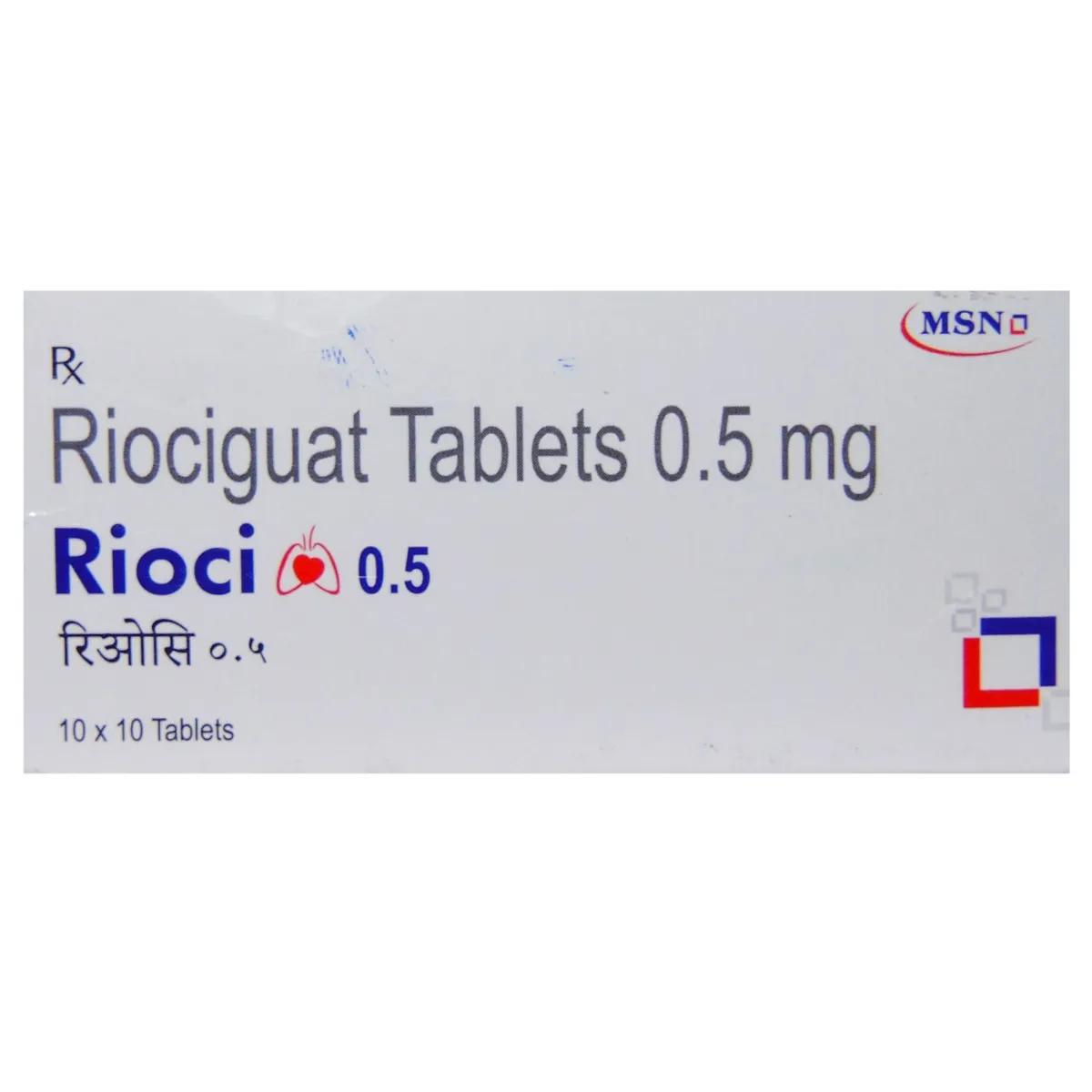
Rioci 0.5mg (Riociguat)
Previous product
Rexigo 120mg (Relugolix)
$120.00 $333.00Price range: $120.00 through $333.00
Next product

Rioci 1mg (Riociguat)
$26.00 $70.00Price range: $26.00 through $70.00
$20.00 $55.00Price range: $20.00 through $55.00
In Stock
In Stock
Rioci 0.5mg (Riociguat)
| Pack Size | Price | Quantity | Add To Cart | |
|---|---|---|---|---|
| 30 Tablet/s | $20.00 | |||
| 60 Tablet/s | $38.00 | |||
| 90 Tablet/s | $55.00 | |||
| Want to order in bulk / B2B price? Send Inquiry | ||||
×
Sorry!! Out of Stock
Sorry! Rioci 0.5mg (Riociguat) is out of stock
Please click below to view other similar medications.
View All Riociguat Products

Offer You Can't Resist
Free Shipping
Enjoy Free Shipping on Orders above AUD304 (USD199)
Estimate Shipping :
07 June - 14 June
20
Last Updated on May 18, 2026

Description
Rioci 0.5mg (Riociguat): A Comprehensive Guide to Treatment and Benefits
The condition is serious. A disease that is characterized by excessive blood pressure in the arteries in the lungs, which can cause symptoms like tiredness, shortness of breath, and dizziness. It can even lead to heart failure if left ignored. The good news is that advancements in medicine have led to the development of several treatments that are designed to ease symptoms and improve health. One such therapy can be found in Rioci 0.5mg, which is a potent component of Riociguat.
In this article, we’ll explore Rioci thoroughly, including its pharmacology, dosage, indications, and benefits of the drug, adverse effects, and the precautions to take. This will allow you to understand what it means to patients with the condition of pulmonary hypertension, as well as other related ones.
What is Rioci 0.5mg?
Rioci 0.5mg is the brand name medicine with Riociguat, which is a soluble, Guanylate cyclase (sGC) stimulator. It is primarily used in treating two types of pulmonary hypertension:
- Pulmonary arterial hypertension (PAH) — an illness in which the blood vessels carrying oxygen from the heart to the lungs narrow and become stiff.
- Chronic thromboembolic pulmonary hypertension (CTEPH) — Due to blood clots from the past, which block the arteries in the lungs.
Rioci aids in relaxing and enlarging the blood vessels, thus lessening pressure on the lungs and enhancing the flow of blood. It also helps the heart to pump blood more effectively, reducing symptoms and exercising capability.
How Does Rioci Work? The Mechanism of Action
Riociguat falls under a more recent category of drug called Guanylate cyclase stimulators that are soluble. To understand how it functions, you need to be aware of some basic information about its biochemistry:
- In normal circumstances, our bodies produce the molecule Nitric Oxide (NO), which triggers an enzyme known as the soluble guanylate-cyclase (sGC) in the blood vessels’ walls.
- The activation of sGC results in increased levels of cyclic-guanosine monophosphate (cGMP), an endocrine molecule.
- cGMP induces the smooth muscle within blood vessels to relax, which causes vasodilation (widening of blood vessels).
- With pulmonary hypertension, the nitric oxide pathway becomes affected, which means that there is less NO in the system to stimulate sGC resultant in constriction of blood vessels and elevated blood pressure in the lungs.
Riociguat works in two ways:
- It directs the stimulation of sGC; even without the molecule nitric oxide.
- It is able to sensitize sGC to the presence of nitric oxide and enhances the vasodilatory effect of the natural process.
It results in an increase in blood flow to the pulmonary arteries, a decrease in blood pressure in the pulmonary area, and enhanced oxygen delivery.
Indications: Who Should Take Rioci?
Rioci (Riociguat) can be used to treat patients who are diagnosed with:
- Pulmonary arterial hypertension (PAH): Improve exercise performance and prevent clinical worsening.
- Chronic thromboembolic pulmonary hypertension (CTEPH): Patients who are not operable or who suffer from persistent or recurrent pulmonary hypertension following surgery.
This medication is not appropriate in the case of other types of hypertension, pulmonary, or those suffering from severe kidney or liver diseases without careful examination.
Dosage and Administration
- Starting dose: Typically, treatment starts with a small dose of 1 mg, three times a day (TID), but as you specifically requested the 0.5 mg formula, it is typically utilized initially, particularly in patients who have lower blood pressure or are at a greater chance of developing negative side effects.
- Titration: The dosage is increased gradually every 2 weeks in accordance with your tolerance level and blood pressure readings until the maximum dosage of 2.5 mg TID.
- Administration: Rioci tablets are recommended to be consumed at least three times daily, about 6-8 hours apart, and with or without food.
- The grapefruit juice should be avoided by patients because it may boost the dosages of narcotics.
- Monitoring of blood pressure regularly and other symptoms is vital for dose titration.
Benefits of Rioci 0.5mg Treatment
- Improved Exercise Capacity:
Research has shown that riociguat has a significant effect on the 6-minute walk distance test for six minutes (6MWD), which means that people can go further without feeling breathless. - Enhanced Quality of Life:
In reducing signs such as tiredness and shortness of breath, Rioci enables patients to be more active in their everyday routine. - Slowing Disease Progression:
Riociguat was shown to reduce the severity of pulmonary hypertension. This could improve the long-term outcome. - Improved Heart Function:
In lowering the pulmonary arterial pressure, Rioci decreases the strain on the right side of the heart, which can prevent heart disease.
Side Effects and Risks
Although Rioci has many advantages, it can cause negative reactions. The most common adverse reactions are:
- Headache
- Dizziness or lightheadedness (due to lowered blood pressure)
- Nausea and vomiting
- Diarrhea or indigestion
- Hypotension (low blood pressure)
- Bleeding risk: Riociguat may increase the tendency to bleed, as nosebleeds and bruises may be observed.
- Anemia: Red blood cells are less abundant in a few patients.
Very rare, but potentially serious side effects:
- Pulmonary hemorrhage or hemoptysis (coughing up blood)
- Hypertension is grave that can lead to falling or fainting
- Embryo-fetal toxicity: It isn’t recommended during pregnancy because it could cause harm to the foetus.
Precautions and Contraindications
- Pregnancy and breastfeeding: Women who are pregnant should make sure they are using a reliable contraceptive during treatment and for 1 month after stopping treatment.
- Use with nitrates or nitric oxide donors: It is also not advised to use concurrently because the vasodilatory effects combined could cause extreme hypotension.
- Severe liver or kidney impairment: Avoidance or adjustments to the dosage may be needed.
- Bleeding disorders: Patients with a background of bleeding.
- Interactions with other medications: Be cautious when taking medications that alter blood pressure or liver enzymes.
Monitoring During Treatment
To ensure the safety and efficiency the safety of your employees, it is imperative to monitor them regularly:
- Blood pressure: For detecting hypotension, particularly in dose titration.
- Liver and kidney function tests: For detecting any organ toxicity.
- Complete blood count: To monitor for any signs of anemia or bleeding.
- Pregnancy testing: Women with a child-bearing capacity.
- Signs of bleeding or hemoptysis: Report any bleeding promptly.
Patient Counseling Tips
- Use Rioci precisely as directed three times per day, whether or not you eat.
- Do not miss doses and do not take a second dose in case you miss a dose.
- Beware of grapefruit juice as well as any other CYP enzyme inhibitors, unless recommended by your physician.
- Tell your physician about any medication and supplements you’re using.
- Watch out for signs of low blood pressure, such as lightheadedness, dizziness, or fainting.
- Inform your doctor promptly if you begin coughing up blood or if you experience severe bleeding.
- Make sure you are using a contraceptive that is effective to stop the possibility of pregnancy while receiving the treatment.
- Participate in all follow-up appointments to be monitored.
Clinical Evidence Supporting Riociguat
Numerous landmark clinical studies have proven the effectiveness, as well as the safety and efficacy of the riociguat:
- PATENT-1 Trial: Significant improvements were observed in the exercise capacity as well as pulmonary vascular resistance in PAH patients who received the riociguat drug compared with placebo.
- CHEST-1 Trial: It was found that riociguat increased the walking distance by 6 minutes and hemodynamics for patients suffering from chronic or inoperable CTEPH.
- Extension studies that have been conducted over time confirmed long-term positive effects and a manageable safety profile.
The results of these trials support the wide acceptance of riociguat within guidelines for managing pulmonary hypertension globally.
Rioci in the Context of Pulmonary Hypertension Treatment
The treatment of hypertension in the lungs is a multifaceted process:
- Lifestyle changes: For example, avoidance of high altitudes and vigorous training.
- Supportive care: oxygen therapy and diuretics.
- Other drug classes: endothelin receptor antagonists (bosentan), phosphodiesterase-5 inhibitors (sildenafil), and prostacyclin analogs (epoprostenol).
Riociguat is distinctive due to its two-way mechanism that relies on the NO-sGC/cGMP pathway. is frequently used when other treatment options aren’t sufficient or not appropriate.
Conclusion
Rioci 0.5mg (Riociguat) provides a potent, specific treatment for chronic thromboembolic hypertension in the pulmonary artery. In stimulating the enzyme soluble guanylate and restoring the nitric-oxide signaling pathway, assists in dilation of the pulmonary tract vessels and improves the flow of blood. This can lead to improved fitness tolerance, pain relief, and improved long-term outcomes for patients.
Though generally well-tolerated, Rioci requires careful dose control and monitoring because of possible side effects like blood clotting and hypotension. Patients need to be well-informed and closely monitored by their health care provider for maximum benefits and to minimize potential risks.
Additional Information
| Active Ingredient: | Riociguat |
|---|---|
| Indication: | Pulmonary Hypertension |
| Manufacturer: | MSN Laboratories |
| Packaging: | 10 Tablets in 1 Strip |
| Strength: | 0.5mg |
| Delivery Time: | 7 To 15 days |
Related products




Recently Viewed
Reviews
There are no reviews yet.