

Retino A Micro 0.04% (Tretinoin)
Previous product
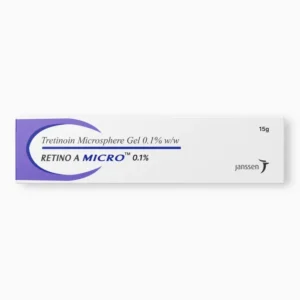
Retino A Micro 0.1% (Tretinoin)
A$60.36 A$157.23Price range: A$60.36 through A$157.23
Next product
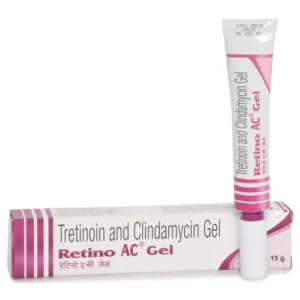
Retino AC Gel (Clindamycin/Tretinoin)
A$63.17 A$169.86Price range: A$63.17 through A$169.86
A$63.17 A$164.24Price range: A$63.17 through A$164.24
Out of Stock
Out of Stock
Retino A Micro 0.04% (Tretinoin)
| Pack Size | Price | Quantity | Add To Cart | |
|---|---|---|---|---|
| 3 Tube/s | A$63.17 | |||
| 6 Tube/s | A$117.92 | |||
| 9 Tube/s | A$164.24 | |||
| Want to order in bulk / B2B price? Send Inquiry | ||||
×
Sorry!! Out of Stock
Sorry! Retino A Micro 0.04% (Tretinoin) is out of stock
Please click below to view other similar medications.
View All Tretinoin Products
Offer You Can't Resist
Free Shipping
Enjoy Free Shipping on Orders above AUD304 (USD199)
28
Great customer service
Great customer service and a straightforward ordering process. I’m very satisfied
 Australia
September 28, 2026
Last Updated on May 18, 2026

Description
Introduction to Retino A Micro 0.04% (Tretinoin)
Retino A Micro 0.04% is a cream for the skin that contains Tretinoin, which is an equivalent of vitamin A, and is included in the class of drugs known as retinoids. It is extensively used as a dermatological agent to treat skin problems, particularly acne vulgaris. Tretinoin is a skin care product that works by encouraging cell turnover and increasing the texture and appearance of skin.
The “Micro” in Retino A Micro refers to a microscopic or microencapsulated formula created to increase the delivery of the cream, lessen irritation, and ensure an even release of tretinoin over time. This makes it more comfortable than traditional products or gels containing tretinoin.
Pharmacology and Mechanism of Action
Tretinoin’s effects are triggered by binding to retinoic acid receptors (RARs) within the skin cells. This process causes the expression of genes that:
- Increase the turnover of epidermal cells: It speeds up the process of shedding dead skin cells. It also promotes the formation of new cells.
- Prevent the formation of microcomedones: These are the causes of acne lesions and can be reduced, thus reducing breakouts of acne.
- Normalize keratinization: It helps prevent the formation of pores from clogging through regular removal of skin cells.
- Stimulate collagen production: This is beneficial for smoother skin, lessening wrinkles, and lightening the appearance of pigmentation.
- Reduce inflammation: It may reduce inflammation caused by acne, and it can reduce redness.
Microspheres are formulated to ensure an even release of tretinoin over time, which reduces irritation as well as increases the patient’s adherence.
Indications and Uses
Retino A Micro 0.04% (Tretinoin) is indicated to treat:
- Acne Vulgaris: Treatment for mild to moderate acne involves reducing the development of papules, comedones, and pustules.
- Photoaging: Enhancing the appearance of fine wrinkles, roughness, and hyperpigmentation due to sun-induced damage.
- Hyperpigmentation: Reduces the appearance of dark spots and melasma by increasing the rate of cell turnover.
- Other off-label uses: It is sometimes used to treat keratosis pilaris as well as psoriasis. It can also be used to improve the texture of skin and improve its tone.
Dosage and Administration
- The medicine is applied directly with a thin layer on the skin affected areas at least once a day, usually after a meal, before going to bed.
- Before application, the skin must be gently washed and then dried.
- The size of a pea is usually enough for the whole face.
- The skin should be dry prior to applying tretinoin in order to lessen the chance of irritation.
- It is recommended to start at least every night slowly for a while, in order to increase tolerance.
- Be careful not to apply it around the nostrils, eyes, and mouth due to the sensitivity of these areas.
- Regular use is essential for efficiency; the visible improvements may be between 4 and 12 weeks or more.
- Apply sunscreen throughout the day because tretinoin can increase skin sensitivity to the sun.
Side Effects and Adverse Reactions
Tretinoin, particularly in the initial days of treatment, could result in several adverse reactions:
- Skin irritation: Burning, redness, itching, or burning sensations.
- Dryness and peeling: The skin is prone to scaling and flaking in treated skin.
- Increased sensitivity to sunlight: This can lead to sunburn when adequate sun protection isn’t used.
- Photosensitivity: The risk of sun damage is increased.
- Initial acne flare-up: Certain patients might experience more severe acne for a short time.
- Hyper- or hypopigmentation: Sometimes, tretinoin may result in changes to the color of your skin.
- Allergic reactions: Rare, but it could consist of a rash, swelling, or extreme inflammation.
The majority of side effects range from mild to moderate, and are likely to decrease as time passes or through changing the frequency.
Contraindications and Precautions
- Not recommended for those with hypersensitivity to Tretinoin or any of the ingredients of the formula.
- Do not avoid the course of the pregnancy or lactation because of potential dangers to the fetus or infant.
- Beware of use on eczematous or very itchy skin.
- Take care when treating patients with sensitive skin or rosacea.
- Do not use in conjunction with the products that cause irritation or abrasion to your skin (e.g., exfoliants, astringents, or any other acne treatment) as long as they are not directed by a medical professional.
- Be sure to avoid waxing your treated part during the treatment in order to avoid injury to the skin.
- Always wear broad-spectrum sunscreen and wear protective clothing throughout the entire day.
Patient Counseling and Lifestyle Tips
Patients who are using Retino A Micro 0.04% must be aware of:
- Apply a tiny amount on a dry, clean face once a day, but preferably in the evening.
- You may experience some discomfort at first; however, you should continue using the product until extreme reactions happen.
- Avoid excessive exposure to the sun. Apply sunscreen regularly to avoid sunburn.
- Do not mix with any other skin care products that cause irritation unless they have been approved by their dermatologist.
- Be patient, as the evident results can take anywhere from weeks to months.
- For anyone experiencing severe skin reactions, they should report the problem or any signs of allergic reaction to their physician immediately.
- Make sure the medication is away from youngsters and to avoid contact with lips, eyes, and mucous membranes.
Clinical Effectiveness and Research
Tretinoin has been an essential component in dermatological care for many years and is extensively researched. It is still one of the most efficacious topical treatments for treating acne and photoaging. Microencapsulated products such as Retino A Micro offer improved quality while still providing efficacy, so they are suitable for people who would otherwise have to stop their treatment because of irritation.
Numerous studies have proven the role of tretinoin in decreasing acne, inflammatory lesions, along with fine wrinkles and hyperpigmentation. These results contribute to clearer, healthier, and younger-looking skin.
Summary
Retino A Micro 0.04% (Tretinoin) is a microsphere-based cosmetic Retinol that is used for the treatment of acne and photoaged skin. It regulates the cell cycle of skin, delaying congestion of pores and also increasing collagen production.
Microencapsulated formulations provide controlled release, increasing the tolerance and decreasing irritation when compared to other tretinoin-based products. Even though it can cause some initial adverse effects, such as the appearance of redness and dryness, continued application, in conjunction with sun protection, results in an improvement in appearance in the course of time.
Patients are required to follow all instructions attentively, guard their skin from direct sunlight, and follow up regularly with their doctor for maximum benefits and to minimize adverse consequences.
Additional Information
| Manufacturer | Janssen Pharmaceuticals, India |
|---|---|
| Pharmaceutical | Gel |
| Strength | 0.05% |
| Pack Size | 3 Tube/s, 6 Tube/s, 9 Tube/s |
Related products



Reviews
There are no reviews yet.