
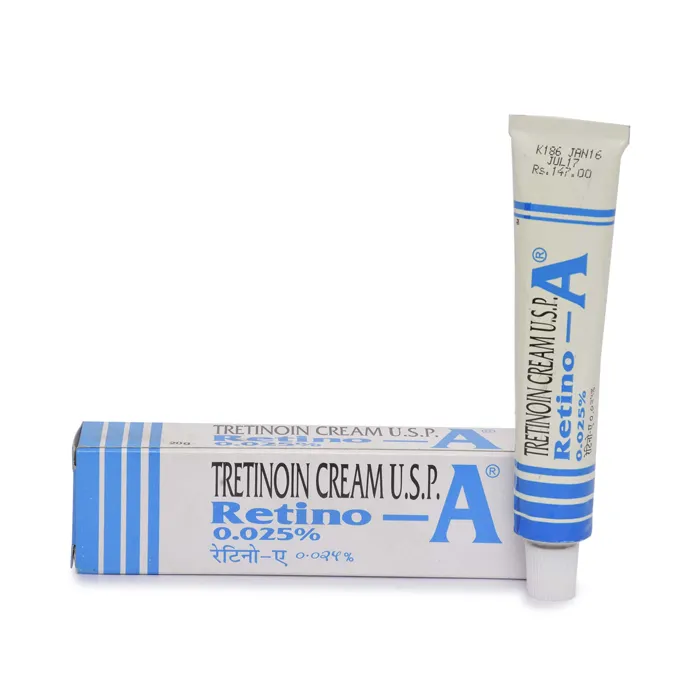
Retino A Cream 0.025% (Tretinoin)
Previous product
Persol AC 5% Gel (Benzoyl Peroxide)
A$37.90 A$98.27Price range: A$37.90 through A$98.27
Next product
Retino A Cream 0.05% (Tretinoin)
A$50.54 A$137.57Price range: A$50.54 through A$137.57
A$42.11 A$71.59Price range: A$42.11 through A$71.59
Out of Stock
Out of Stock
Retino A Cream 0.025% (Tretinoin)
| Pack Size | Price | Quantity | Add To Cart | |
|---|---|---|---|---|
| 6 Cream/s | A$42.11 | |||
| 9 Cream/s | A$58.96 | |||
| 12 Cream/s | A$71.59 | |||
| Want to order in bulk / B2B price? Send Inquiry | ||||
×
Sorry!! Out of Stock
Sorry! Retino A Cream 0.025% (Tretinoin) is out of stock
Please click below to view other similar medications.
View All Tretinoin Products

Offer You Can't Resist
Free Shipping
Enjoy Free Shipping on Orders above AUD304 (USD199)
25
Excellent service overall
Smooth checkout, quick dispatch, and secure delivery. Excellent service overall
 Australia
October 1, 2026
Last Updated on May 18, 2026

Description
Introduction
Retino A Cream 0.025% includes Tretinoin, a topical medicine that is derived from vitamin A. It’s part of the category of retinoids, and is extensively employed in dermatology because of its energizing results on cell turnover in collagen production as well as the pigmentation. Tretinoin is the first-line treatment for acne vulgaris. It is utilized to treat the appearance of signs of aging, like the appearance of wrinkles and excessive hyperpigmentation, and rough skin.
Chemical and Pharmacological Profile
- Chemical nature: Tretinoin (all-trans retinoic acid) is an active metabolite of vitamin A.
- Class: Retinoid.
- Formulation: There is a range of concentrations available; 0.025% is a typical strength that is used in moderate to mild situations.
- Mechanism: Tretinoin regulates gene expression through the binding of nuclear retinoic acid receptors (RARs) and affects the cell’s differentiation and growth.
Mechanism of Action
Tretinoin operates primarily via several mechanisms:
Increased Epidermal Cell Turnover:
Tretinoin speeds up the removal of dead skin cells and also encourages the creation of new healthy cells. This can help prevent the formation of pores that are blocked as well as reduce the number of comedones (blackheads and whiteheads).
Normalization of Follicular Epithelium:
Promoting the removal of keratinocytes within hair follicles, it helps to prevent the growth of microcomedones that are the primary lesions that lead to acne.
Anti-inflammatory Effects:
It decreases the inflammation caused by acne lesions.
Stimulation of Collagen Production:
Tretinoin boosts collagen production in the dermis. It helps to minimize wrinkles and lines, as well as improve the texture of skin and elasticity.
Pigmentation Improvement:
Enhancing epidermal turnover helps reduce the appearance of post-inflammatory hyperpigmentation as well as melasma.
Indications
Retino A Cream 0.025% is often used to treat:
- Acne Vulgaris:
- Mild to moderately inflammatory as well as non-inflammatory acne.
- Photoaging:
- The treatment of wrinkles and fine lines, as well as mottled hyperpigmentation and rough skin texture due to sunburn.
- Other Dermatologic Conditions:
- Off-label treatments include the treatment of melasma and keratosis pilaris, as well as certain forms of hyperpigmentation.
Dosage and Application
- Application Frequency:
- The application is usually done once a day in the evening.
- The application should start with the smallest quantity (pea-sized) that covers all affected areas.
- Application Instructions:
- Cleanse and dry your surface thoroughly before application.
- Apply a thin coat of Retino A cream evenly to the skin affected.
- Beware of contact with the eyes, lips, and mucous membranes.
- Wash hands after application.
- Initial Use Considerations:
- In order to minimize the discomfort, many patients begin applying tretinoin once a week or once every three nights before becoming accustomed to nightly applications.
- Moisturizers are a great option to ease irritation and dryness.
- Duration of Treatment:
- A noticeable improvement in acne can last between 4 and 6 weeks. This can be followed by continued improvement after a few months.
- If you are suffering from photoaging, it can be several months before you see the advantages.
Side Effects
Although it is the cream is effective, it can trigger some negative reactions, particularly during the first stage of treatment:
Common Side Effects:
- Skin irritation: redness, burning, stinging, and itching.
- Dryness and peeling.
- Photosensitivity: an increase in sensitivity to sunlight, leading to sunburn.
- Scaling or flaking of the skin.
Less Common but Serious Side Effects:
- Severe dermatitis.
- Allergies, such as itching or rash (rare).
- Skin color changes as well as the appearance of scars (uncommon).
Precautions and Warnings
- Sun Protection:
- Because tretinoin enhances photosensitivity, it is important to apply sunscreen with a high SPF level during the day. Also, avoid excessive sunlight exposure.
- Pregnancy and Breastfeeding:
- Tretinoin should not be used for use during pregnancy due to the possibility of negative teratogenic side effects that are associated with oral retinoids. It is best to avoid use on the skin unless it is prescribed by a physician.
- Avoid Use with Certain Products:
- Do not use other harmful products, such as astringents and soaps with abrasive properties and products that contain alcohol, benzoyl peroxide, or salicylic acids, unless instructed by a health specialist.
- Skin Care Regimen:
- Apply gentle moisturizers and cleansers to minimize the irritation.
- Beware of waxing and chemical removal of hair from the skin.
Drug Interactions
- Other topical acne treatments:
- Mixing benzoyl peroxide with tretinoin may irritate. Special formulations that mix both can lessen the irritation.
- Photosensitizing drugs:
- In conjunction with other medications, increasing the photosensitivity of patients requires extensive sun protection.
Use in Special Populations
- Elderly:
- There is no specific dosage change required. However, the skin might be more delicate.
- Children:
- The safety and effectiveness of the drug in young children have yet to be established.
- Patients with Sensitive Skin or Rosacea:
- Beginning with less concentration and less frequent applications in order to minimize irritation.
Patient Counseling
The patients who are using Retino A cream should be advised of:
- There is a chance of irritation at first, which can be increased as you continue to use it.
- The significance of using the prescribed medication with caution against overuse.
- It is essential to take daily sun protection measures.
- Beware of contact with the mouth, eyes, and mucous membranes.
- Do not expect instant results, as it could take months or even weeks for improvements to be seen.
- Consult a medical professional for help if you experience severe irritation or if allergic reactions develop.
Storage
- Keep Retino Cream at room temperature, far from moisture and direct light.
- Make sure that the area is safe for youngsters.
Conclusion
Retino A Cream 0.025% (Tretinoin) is an extremely potent topical retinoid, used mostly to treat photoaging and acne vulgaris. It does this by promoting cell turnover and normalizing follicular keratinization and stimulating collagen synthesis. The retinoin cream improves the skin’s clarity, the texture and appearance of skin in the course of time.
Although side effects such as photosensitivity and irritation are not uncommon, they are usually controlled with the proper use of techniques, as well as moisturizing and sunscreen. If you use it consistently and follow professional guidance from a physician, Retino A cream can greatly improve skin health and appearance.
Additional Information
| Manufacturer | Janssen Pharmaceuticals, India |
|---|---|
| Pharmaceutical | Cream |
| Strength | 5% |
| Pack Size | 6 Cream/s, 9 Cream/s, 12 Cream/s |
Related products

Reviews
There are no reviews yet.