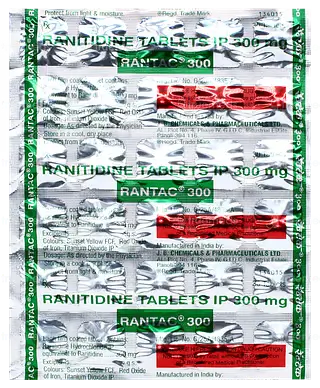
Healthy digestion is essential for overall well-being, and many people suffer from conditions caused by excessive stomach acid, such as acid reflux, ulcers, and gastritis. Rantac 300mg contains the active ingredient Ranitidine, a medicine that has long been used to treat acid-related digestive disorders effectively.
This article explains what Rantac 300mg is, how it works, its uses, benefits, side effects, precautions, and answers to frequently asked questions.
What is Rantac 300mg (Ranitidine)?
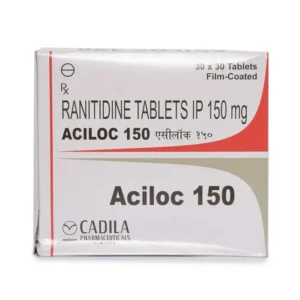
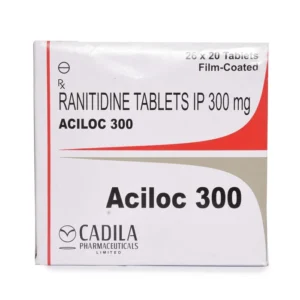
Rantac 300mg contains Ranitidine Hydrochloride, which belongs to a class of medicines called H2 (Histamine-2) receptor antagonists.
It works by reducing the amount of acid produced in the stomach by blocking histamine action on H2 receptors in the stomach lining. Lower acid levels help relieve symptoms and promote healing of ulcers and irritation in the digestive tract.
Ranitidine has commonly been used for conditions such as:
- Acid reflux
- Heartburn
- Gastroesophageal reflux disease (GERD)
- Peptic ulcers
- Zollinger-Ellison syndrome
How Does Rantac 300mg Work?
The stomach naturally produces acid to help digest food and eliminate harmful bacteria. However, excessive acid production can damage the stomach and esophageal lining.
Histamine stimulates acid release by attaching to H2 receptors in the stomach. Ranitidine blocks these receptors, reducing acid production.
This helps to:
- Reduce irritation in the stomach and esophagus
- Promote healing of ulcers and erosions
- Relieve heartburn and indigestion
- Protect digestive tissues from acid damage
Common Uses of Rantac 300mg
1. Gastroesophageal Reflux Disease (GERD)
GERD occurs when stomach acid flows back into the esophagus, causing irritation and heartburn. Rantac helps reduce acid production and relieve symptoms.
2. Peptic Ulcers
Ranitidine is used to treat and prevent ulcers in the stomach and duodenum by lowering acid levels and allowing healing.
3. Zollinger-Ellison Syndrome
This rare condition causes excessive stomach acid production. Rantac helps control acid secretion and prevent complications.
4. Prevention of Acid-Related Damage
Patients taking medications such as NSAIDs may use Ranitidine to protect the stomach lining from acid-related damage.
Benefits of Using Rantac 300mg
- Effective reduction of stomach acid
- Relief from heartburn and acid reflux
- Helps heal ulcers and stomach irritation
- Convenient once or twice-daily dosing
- Generally well tolerated by most patients
Important Considerations and Side Effects
Although Rantac is usually safe, some side effects and precautions should be considered.
Common Side Effects
Rare but Serious Side Effects
- Allergic reactions such as rash or swelling
- Liver problems
- Confusion or mental changes, especially in elderly patients
Important Precautions
- Ranitidine products have been recalled in several countries due to concerns about impurities linked to cancer risk. Always check current regulatory guidance and consult your doctor before use.
- Avoid long-term self-medication without medical supervision.
- Inform your doctor if you have liver or kidney disease.
- Consult your doctor before use during pregnancy or breastfeeding.
- Tell your healthcare provider about all medicines you are taking to avoid drug interactions.
Frequently Asked Questions (FAQs)
1. How long does it take for Rantac 300mg to work?
Many patients experience relief within 2 to 3 hours, but healing of ulcers and chronic conditions may take several weeks.
2. Can I take Rantac 300mg with food?
Yes, Rantac can be taken with or without food. Taking it after meals may help reduce stomach discomfort.
3. Is Rantac 300mg safe for long-term use?
Long-term use should only be under medical supervision to monitor for potential risks and ensure proper treatment.
4. Does Rantac interact with other medications?
Yes. Ranitidine may interact with medications such as ketoconazole, warfarin, and some antiviral drugs.
5. What should I do if I miss a dose?
Take the missed dose as soon as you remember unless it is almost time for your next dose. Do not double the dose.
6. Can Rantac 300mg cause Vitamin B12 deficiency?
Long-term reduction of stomach acid may reduce Vitamin B12 absorption in some patients.
7. Is Rantac 300mg still available?
Availability may vary because of recalls and regulatory restrictions in some countries. Check with your pharmacist or healthcare provider for updated information.
Conclusion
Rantac 300mg (Ranitidine) has been widely used to manage acid-related digestive conditions such as GERD, peptic ulcers, and Zollinger-Ellison syndrome. By reducing stomach acid production, it helps relieve symptoms and support healing.
However, due to safety concerns and regulatory recalls involving Ranitidine in several regions, patients should consult healthcare professionals regarding its current availability and possible alternatives.
When used under proper medical guidance, Rantac can help effectively manage digestive disorders and improve overall digestive comfort. If you experience persistent symptoms or side effects, seek medical advice for appropriate evaluation and treatment.



 Australia






Reviews
There are no reviews yet.