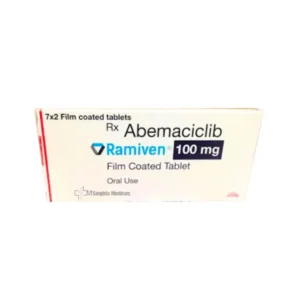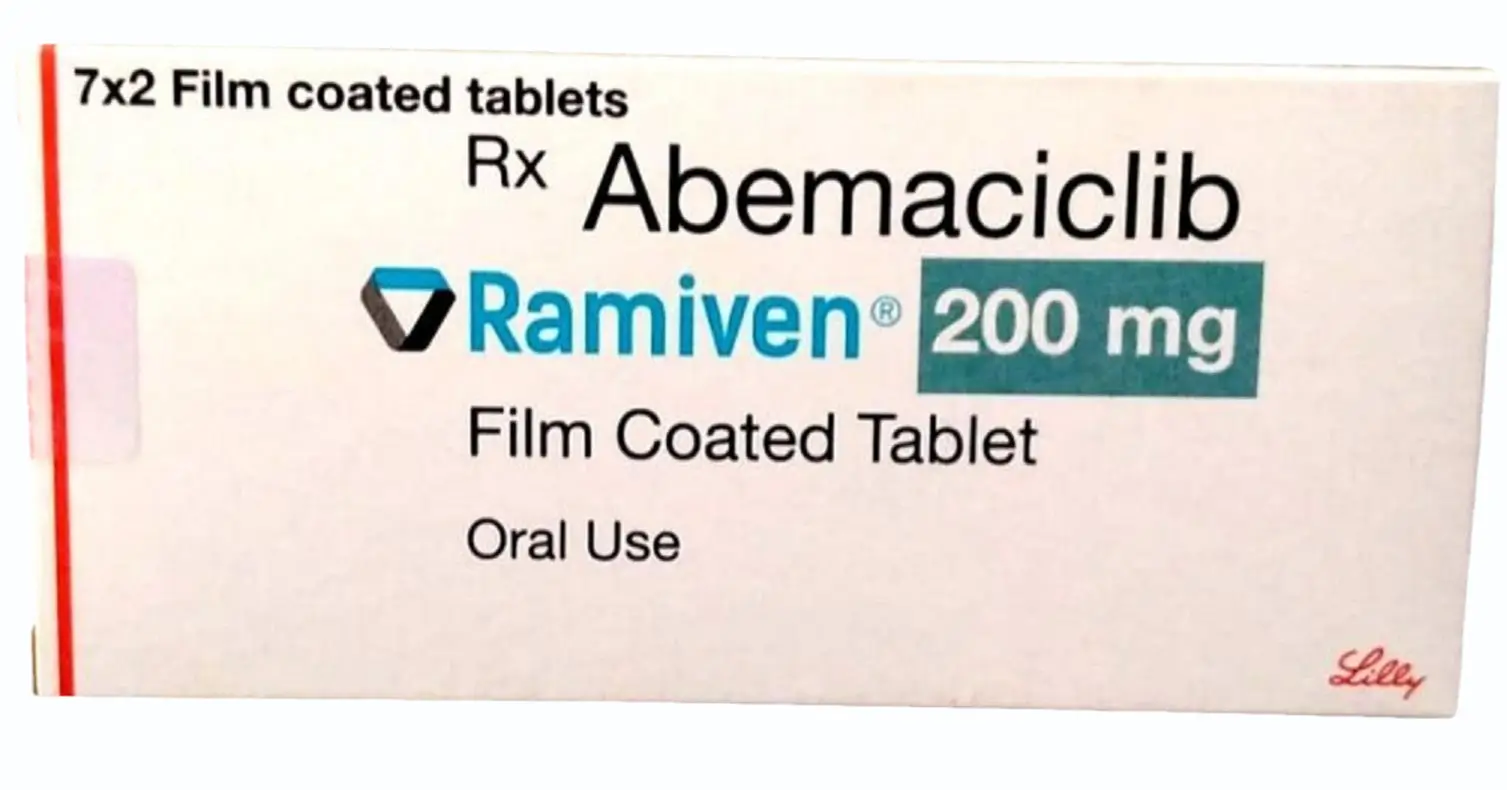
Cancer treatment has changed significantly in recent years with the development of targeted therapies that specifically attack cancer cells while minimizing damage to healthy tissues. Ramiven 200mg contains Abemaciclib, an advanced targeted therapy used to treat certain types of breast cancer.
This article explains what Ramiven 200mg is, how it works, its uses, benefits, side effects, precautions, and answers to frequently asked questions.
What is Ramiven 200mg (Abemaciclib)?
Ramiven 200mg contains Abemaciclib, an oral selective inhibitor of cyclin-dependent kinases 4 and 6 (CDK4/6). These enzymes play a critical role in controlling cell division.
In hormone receptor-positive (HR+), HER2-negative breast cancer, CDK4 and CDK6 activity becomes overactive, leading to uncontrolled tumor growth.
By blocking CDK4/6 activity, Ramiven helps slow or stop the growth of cancer cells. It is commonly used together with hormonal therapies such as aromatase inhibitors or Fulvestrant to improve treatment outcomes.
How Does Ramiven 200mg Work?
Abemaciclib blocks the activity of CDK4 and CDK6 enzymes, which are essential for cancer cells to progress through the cell cycle and multiply.
Effects of CDK4/6 Inhibition
- Stops cancer cells from dividing
- Slows tumor growth
- Helps stabilize or shrink tumors
- Improves the effectiveness of hormone therapy
Because it targets a specific cancer-growth mechanism, Ramiven is considered a targeted cancer therapy rather than traditional chemotherapy.
Indications and Uses
Ramiven 200mg is approved for treating:
1. HR-Positive, HER2-Negative Advanced or Metastatic Breast Cancer
Usually combined with hormone therapy in patients whose cancer has spread or returned after previous treatment.
2. Adjuvant Treatment
In some patients with high-risk early-stage breast cancer, it may be used after surgery to reduce the risk of recurrence.
3. Monotherapy
May be prescribed alone in patients previously treated with endocrine therapy and chemotherapy.
Dosage and Administration
- Ramiven is taken orally in tablet form.
- The usual dose is 200mg twice daily, approximately 12 hours apart.
- It may be taken with or without food.
- Swallow tablets whole with water.
- Do not crush, chew, or break the tablets.
- Dose adjustments may be necessary depending on side effects and patient tolerance.
Always follow your doctor’s instructions carefully.
Side Effects of Ramiven 200mg
Like many cancer treatments, Ramiven may cause side effects.
Common Side Effects
- Diarrhea
- Fatigue or weakness
- Nausea and vomiting
- Abdominal pain
- Loss of appetite
- Neutropenia (low white blood cell count)
- Anemia
- Headache
Serious Side Effects
- Severe neutropenia or infections
- Liver toxicity
- Blood clots
- Interstitial lung disease or pneumonitis
- Allergic reactions
Report any unusual or severe symptoms to your doctor immediately.
Precautions and Monitoring
Regular Blood Tests
Monitoring blood counts and liver function is essential during treatment.
Hydration
Staying hydrated may help reduce diarrhea-related complications.
Avoid Grapefruit
Grapefruit and grapefruit juice may interfere with Abemaciclib metabolism.
Pregnancy
Ramiven should not be used during pregnancy because it may harm the unborn baby.
Drug Interactions
Tell your doctor about all medicines and supplements you take, as interactions may occur.
Pre-Existing Medical Conditions
Patients with liver or kidney problems may require dosage adjustments.
How is Ramiven Different from Chemotherapy?
Traditional chemotherapy attacks rapidly dividing cells broadly, including healthy cells. Ramiven works differently by specifically targeting CDK4 and CDK6 proteins involved in cancer cell growth.
This targeted approach may lead to:
- Fewer side effects compared to chemotherapy
- More focused cancer treatment
- Improved quality of life for some patients
Ramiven is often combined with hormonal therapy as part of a comprehensive breast cancer treatment plan.
Frequently Asked Questions (FAQs)
1. Who can take Ramiven?
Ramiven is prescribed for patients with HR-positive, HER2-negative advanced or metastatic breast cancer. Eligibility depends on cancer type and treatment history.
2. Can Ramiven cure breast cancer?
Ramiven is not considered a cure, but it can slow disease progression and improve quality of life.
3. How long does treatment with Ramiven last?
Treatment usually continues as long as the cancer responds and side effects remain manageable.
4. What should I do if I miss a dose?
Take the missed dose as soon as you remember unless it is close to your next scheduled dose. Do not take a double dose.
5. Is it safe to drive while taking Ramiven?
Some patients may experience fatigue or dizziness. Avoid driving or operating machinery if affected.
6. Can Ramiven be taken with other cancer medicines?
Yes, it is often combined with hormone therapies. Always follow your doctor’s recommendations.
7. What lifestyle changes are recommended during treatment?
Maintain a healthy diet, stay hydrated, avoid grapefruit products, and promptly report side effects to your healthcare provider.
Conclusion
Ramiven 200mg (Abemaciclib) is an important advancement in the treatment of HR-positive, HER2-negative breast cancer. By specifically targeting CDK4 and CDK6 enzymes, it helps control cancer growth with a more targeted approach than traditional chemotherapy.
When used alongside hormonal therapy, Ramiven has improved treatment outcomes for many patients with advanced or metastatic breast cancer, helping extend disease control and improve quality of life.
As with all cancer therapies, careful monitoring, adherence to prescribed doses, and regular communication with your healthcare team are essential for safe and effective treatment.
If you or a loved one is receiving Ramiven treatment, consulting closely with your oncologist can help ensure the best possible treatment experience and outcome.


Reviews
There are no reviews yet.