
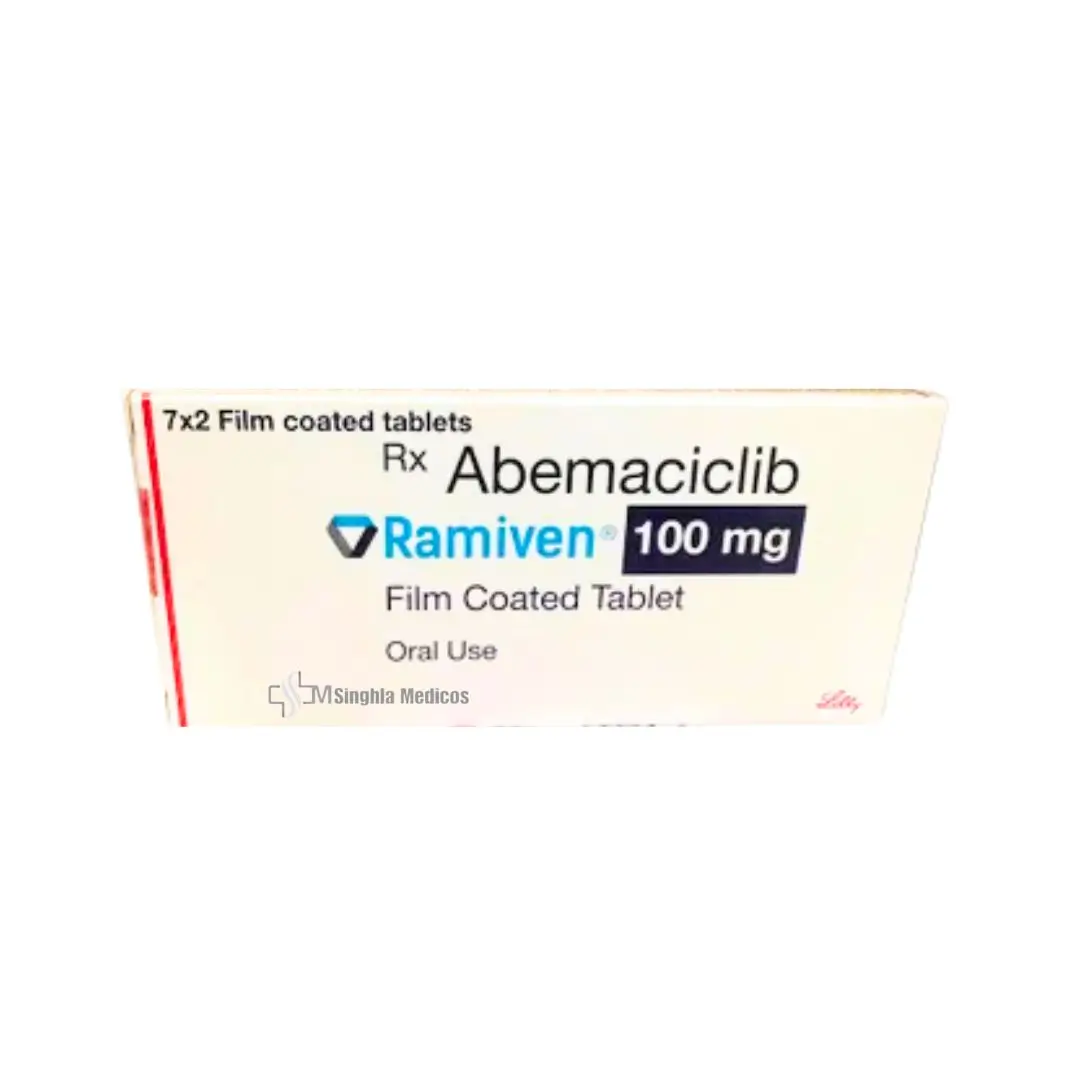
Ramiven 100mg (Abemaciclib)
Previous product

Azobril Cream (Azelaic Acid)
$10.00 $104.00Price range: $10.00 through $104.00
Next product

Ramiven 200mg (Abemaciclib)
$230.00 $750.00Price range: $230.00 through $750.00
$230.00 $750.00Price range: $230.00 through $750.00
In Stock
In Stock
Ramiven 100mg (Abemaciclib)
| Pack Size | Price | Quantity | Add To Cart | |
|---|---|---|---|---|
| 7 Tablet/s | $230.00 | |||
| 14 Tablet/s | $400.00 | |||
| 28 Tablet/s | $750.00 | |||
| Want to order in bulk / B2B price? Send Inquiry | ||||
×
Sorry!! Out of Stock
Sorry! Ramiven 100mg (Abemaciclib) is out of stock
Please click below to view other similar medications.
View All Abemaciclib Products

Offer You Can't Resist
Free Shipping
Enjoy Free Shipping on Orders above AUD304 (USD199)
Estimate Shipping :
07 June - 14 June
34
Fast dispatch
I have ordered multiple times and always receive excellent service. Fast dispatch, reliable tracking, and great support.
 Australia
May 21, 2026
Last Updated on May 15, 2026

Description
Ramiven 100mg contains Abemaciclib, a targeted therapy medication that has significantly improved the treatment of certain types of breast cancer. It belongs to a class of drugs known as Cyclin-Dependent Kinase (CDK) 4 and 6 inhibitors. Abemaciclib works by slowing or stopping the growth and division of cancer cells, making it an effective treatment option for patients with advanced or metastatic breast cancer.
This article covers everything you need to know about Ramiven 100mg, including its uses, how it works, dosage, side effects, precautions, and frequently asked questions.
What is Ramiven 100mg (Abemaciclib)?
Ramiven is a brand name for Abemaciclib, an oral medication that blocks CDK4 and CDK6 enzymes. These enzymes play an important role in controlling the cell cycle, which is the process by which cells grow and divide.
By inhibiting CDK4 and CDK6, Abemaciclib prevents cancer cells from progressing through the cell cycle, helping slow their growth and eventually leading to cancer cell death.
Abemaciclib is mainly used to treat hormone receptor-positive (HR+), HER2-negative advanced or metastatic breast cancer, either alone or in combination with hormone therapy.
Indications: When is Ramiven 100mg Used?
Ramiven 100mg is commonly prescribed for:
- Hormone receptor-positive (HR+), HER2-negative advanced or metastatic breast cancer
Usually combined with endocrine therapies such as letrozole or fulvestrant. - Monotherapy
Used in patients whose cancer has progressed after previous endocrine therapy and chemotherapy. - Clinical Research
Abemaciclib is also being studied for early-stage breast cancer and other cancer types.
This medication is considered beneficial because it specifically targets cancer cells while minimizing damage to normal healthy cells compared to traditional chemotherapy.
How Does Ramiven (Abemaciclib) Work?
Abemaciclib targets Cyclin-Dependent Kinases 4 and 6 (CDK4/6), which are enzymes involved in regulating the transition from the G1 phase to the S phase of the cell cycle.
Cancer cells often overactivate these enzymes, causing uncontrolled growth.
By blocking CDK4/6, Abemaciclib:
- Prevents cancer cells from progressing through the cell cycle
- Causes cell cycle arrest
- Slows tumor growth
- Promotes cancer cell death
- Enhances the effectiveness of hormone therapy
Dosage and Administration
- The usual dose of Ramiven is 150mg or 200mg twice daily. However, 100mg tablets are commonly used for dose adjustments based on patient tolerance and medical advice.
- Tablets should be swallowed whole with water.
- Ramiven can be taken with or without food.
- It is important to take the medicine at the same time each day.
- Dose modifications may be required depending on side effects or medical conditions.
Always follow your doctor’s prescription and never adjust the dosage without medical advice.
Common Side Effects of Ramiven 100mg
Like all cancer treatments, Ramiven may cause side effects. However, not everyone experiences them.
Common Side Effects
- Diarrhea
- Nausea and vomiting
- Fatigue
- Abdominal pain
- Loss of appetite
- Infections
- Low white blood cell count (neutropenia)
- Increased liver enzyme levels
Diarrhea is one of the most common side effects and should be managed early with proper hydration and medications recommended by your doctor.
Serious Side Effects
Seek immediate medical attention if you experience:
- Severe infection or fever
- Difficulty breathing
- Severe diarrhea causing dehydration
- Signs of liver problems such as yellowing of the skin or eyes
- Unusual bleeding or bruising
Precautions and Important Considerations
Regular Monitoring
Routine blood tests are necessary to monitor liver function, kidney function, and blood cell counts during treatment.
Drug Interactions
Abemaciclib is metabolized by the CYP3A4 liver enzyme. Certain medications, such as antifungals, antibiotics, and seizure medications, may affect how Ramiven works.
Pregnancy and Breastfeeding
Ramiven should not be used during pregnancy because it may harm the unborn baby. Effective contraception is recommended during treatment.
Infection Risk
Since the medicine may lower white blood cell counts, patients should report signs of infection immediately.
Dietary Precautions
Avoid grapefruit and grapefruit juice because they can increase Abemaciclib levels in the body and raise the risk of side effects.
Frequently Asked Questions (FAQs)
Q1: How long does it take for Ramiven to work?
Some patients may notice improvement within a few weeks, but full treatment benefits may take several months.
Q2: Can I take Ramiven with other medications?
Always inform your doctor about all medications, vitamins, and herbal supplements you use to avoid potential drug interactions.
Q3: What should I do if I miss a dose?
Take the missed dose as soon as you remember on the same day. Do not take a double dose to make up for a missed dose.
Q4: Can Ramiven cause hair loss?
Hair thinning or mild hair loss can occur, although it is generally less common than with traditional chemotherapy.
Q5: Is Ramiven a chemotherapy drug?
Ramiven is considered a targeted therapy rather than traditional chemotherapy because it specifically blocks CDK4/6 enzymes involved in cancer cell growth.
Q6: Are lifestyle changes recommended during treatment?
Yes. Maintaining a healthy diet, staying hydrated, getting enough rest, and promptly reporting side effects can help improve treatment outcomes.
Conclusion
Ramiven 100mg (Abemaciclib) is an important targeted therapy used in the treatment of HR-positive, HER2-negative advanced and metastatic breast cancer. By specifically blocking CDK4 and CDK6 proteins, it helps slow cancer growth and improve treatment outcomes while generally causing fewer side effects than traditional chemotherapy.
Patients taking Ramiven should carefully follow their prescribed dosage schedule, attend regular monitoring appointments, and communicate openly with their healthcare team about any side effects or concerns.
With proper medical supervision and supportive care, Ramiven can significantly improve quality of life and treatment success for many breast cancer patients. Always consult your doctor for personalized treatment advice and guidance.
Related products











Recently Viewed


Reviews
There are no reviews yet.