
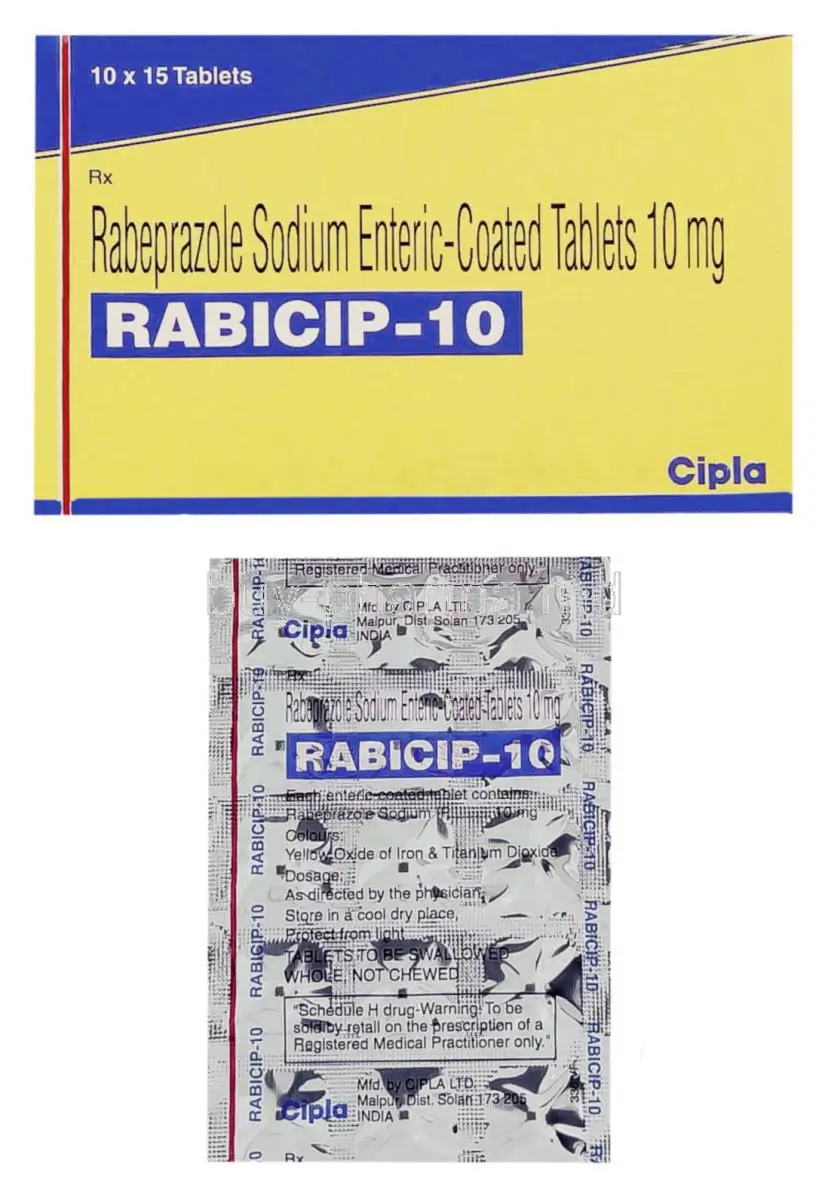
Rabicip 10mg (Rabeprazole)
Previous product
Hair 4U 10% Spray/Solution (Minoxidil/Aminexil)
A$56.32 A$243.68Price range: A$56.32 through A$243.68
Next product
Fenolip 145mg (Fenofibrate)
A$25.99 A$62.09Price range: A$25.99 through A$62.09
A$28.88 A$50.54Price range: A$28.88 through A$50.54
In Stock
In Stock
Rabicip 10mg (Rabeprazole)
| Pack Size | Price | Quantity | Add To Cart | |
|---|---|---|---|---|
| 60 Tablet/s | A$28.88 | |||
| 90 Tablet/s | A$38.99 | |||
| 120 Tablet/s | A$50.54 | |||
| Want to order in bulk / B2B price? Send Inquiry | ||||
×
Sorry!! Out of Stock
Sorry! Rabicip 10mg (Rabeprazole) is out of stock
Please click below to view other similar medications.
View All Rabeprazole Products
Offer You Can't Resist
Free Shipping
Enjoy Free Shipping on Orders above AUD304 (USD199)
Estimate Shipping :
09 September - 16 September
50
Smooth ordering process
Smooth ordering process and helpful customer support. Everything was handled professionally from start to shipment
 Australia
August 12, 2026
Last Updated on May 15, 2026

Description
Acid reflux, heartburn, and ulcers are common problems that affect millions of people worldwide. One of the most commonly prescribed medications for these conditions is Rabicip 10mg, which contains Rabeprazole. If you are looking for complete information about Rabicip, including its uses, benefits, dosage, and possible side effects, this guide will help you understand everything you need to know.
What is Rabicip 10mg?
Rabicip is a brand name for Rabeprazole, a medication classified as a Proton Pump Inhibitor (PPI). PPIs work by reducing the amount of acid produced in the stomach, helping heal acid-related damage in the digestive tract and relieving symptoms caused by excessive stomach acid.
Rabeprazole is widely used to treat conditions caused by excess stomach acid, which can lead to discomfort and serious complications if left untreated.
What Conditions Does Rabicip 10mg Treat?
Rabicip 10mg is prescribed for several gastrointestinal disorders, including:
Gastroesophageal Reflux Disease (GERD)
A chronic condition in which stomach acid frequently flows back into the esophagus, causing heartburn and irritation.
Peptic Ulcers
Sores that develop in the lining of the stomach or small intestine, often caused by H. pylori infection or prolonged use of NSAIDs.
Erosive Esophagitis
Inflammation and damage to the esophagus caused by acid reflux.
Zollinger-Ellison Syndrome
A rare condition in which tumors in the pancreas or duodenum cause excessive stomach acid production.
Prevention of Gastric Ulcers
Rabicip may also be used to prevent ulcers in patients who regularly take NSAIDs and are at higher risk of developing stomach ulcers.
How Does Rabicip Work?
Rabeprazole, the active ingredient in Rabicip, works by blocking the proton pumps in the stomach lining that are responsible for acid production. By inhibiting these pumps, Rabeprazole significantly reduces stomach acid production.
By lowering stomach acidity, Rabicip helps to:
- Relieve symptoms such as heartburn and acid regurgitation
- Promote healing of the stomach and esophageal lining
- Prevent further damage caused by acid reflux or ulcers
Because it targets the acid-producing mechanism directly, Rabeprazole is generally more effective than H2 blockers, which only reduce acid for a shorter duration.
Dosage and Administration
The usual adult dose of Rabicip is 10mg once daily. It is best taken at least 30 minutes before a meal, usually before breakfast.
The duration of treatment depends on the condition being treated:
- GERD or erosive esophagitis: 4 to 8 weeks
- Peptic ulcers: 4 to 8 weeks (sometimes longer if associated with H. pylori)
- Zollinger-Ellison syndrome: Higher doses and longer treatment periods as prescribed by a doctor
It is important to take Rabicip regularly and complete the full course of treatment for maximum effectiveness.
Benefits of Rabicip 10mg
Patients taking Rabicip often experience:
- Fast relief from heartburn and acid reflux symptoms
- Healing of erosive esophagitis and ulcers
- Reduced risk of recurring ulcers, especially in NSAID users
- Improved quality of life due to fewer digestive symptoms
- Prevention of complications such as bleeding ulcers or esophageal strictures
Its long-lasting acid suppression allows for convenient once-daily dosing and prolonged symptom relief.
Possible Side Effects of Rabicip
Rabicip is generally well tolerated, but like all medications, it may cause side effects. Most side effects are mild and temporary.
Common Side Effects
- Headache
- Diarrhea
- Nausea or vomiting
- Abdominal pain or bloating
- Constipation
- Flatulence
Less Common or Serious Side Effects
- Allergic reactions such as rash, itching, or swelling
- Severe abdominal pain
- Persistent diarrhea
- Vitamin B12 deficiency with long-term use
- Low magnesium levels
- Bone fractures associated with prolonged use
Seek immediate medical attention if you experience severe allergic reactions, chest pain, or difficulty swallowing.
Important Precautions
- Inform your doctor if you have liver disease or if you are pregnant or breastfeeding.
- Long-term use should be monitored by a healthcare professional to prevent complications such as nutrient deficiencies.
- Do not stop taking Rabicip suddenly without consulting your doctor.
- Tell your doctor about all medications you are taking, as Rabeprazole may interact with drugs such as clopidogrel, warfarin, and certain antifungal medications.
FAQs About Rabicip 10mg
How quickly does Rabicip start working?
Most patients experience symptom relief within 1 to 3 days. However, complete healing of ulcers or esophagitis may take several weeks.
Can I take Rabicip with food?
Rabicip is usually taken 30 minutes before meals for better absorption and effectiveness.
Is Rabicip safe for long-term use?
Long-term use should be supervised by a doctor because of possible risks such as vitamin B12 deficiency and bone health concerns.
Can Rabicip interact with other medications?
Yes. Rabeprazole may affect how certain medications work. Always inform your doctor about any medicines or supplements you are taking.
What should I do if I miss a dose?
Take the missed dose as soon as you remember. If it is almost time for your next dose, skip the missed dose. Do not take a double dose.
Can Rabicip be used for children?
Rabeprazole may be prescribed for children with acid-related conditions, but the dosage and treatment duration must be determined by a pediatrician.
Conclusion
Rabicip 10mg (Rabeprazole) is an effective Proton Pump Inhibitor commonly used to treat acid-related digestive disorders such as GERD, peptic ulcers, and erosive esophagitis. By reducing stomach acid production, it helps relieve symptoms, promote healing, and prevent complications.
Its fast action and convenient once-daily dosage make it a preferred treatment option for many patients. However, Rabicip should always be taken under medical supervision, especially during long-term use, to minimize potential risks and side effects.
Related products




Recently Viewed

Reviews
There are no reviews yet.