
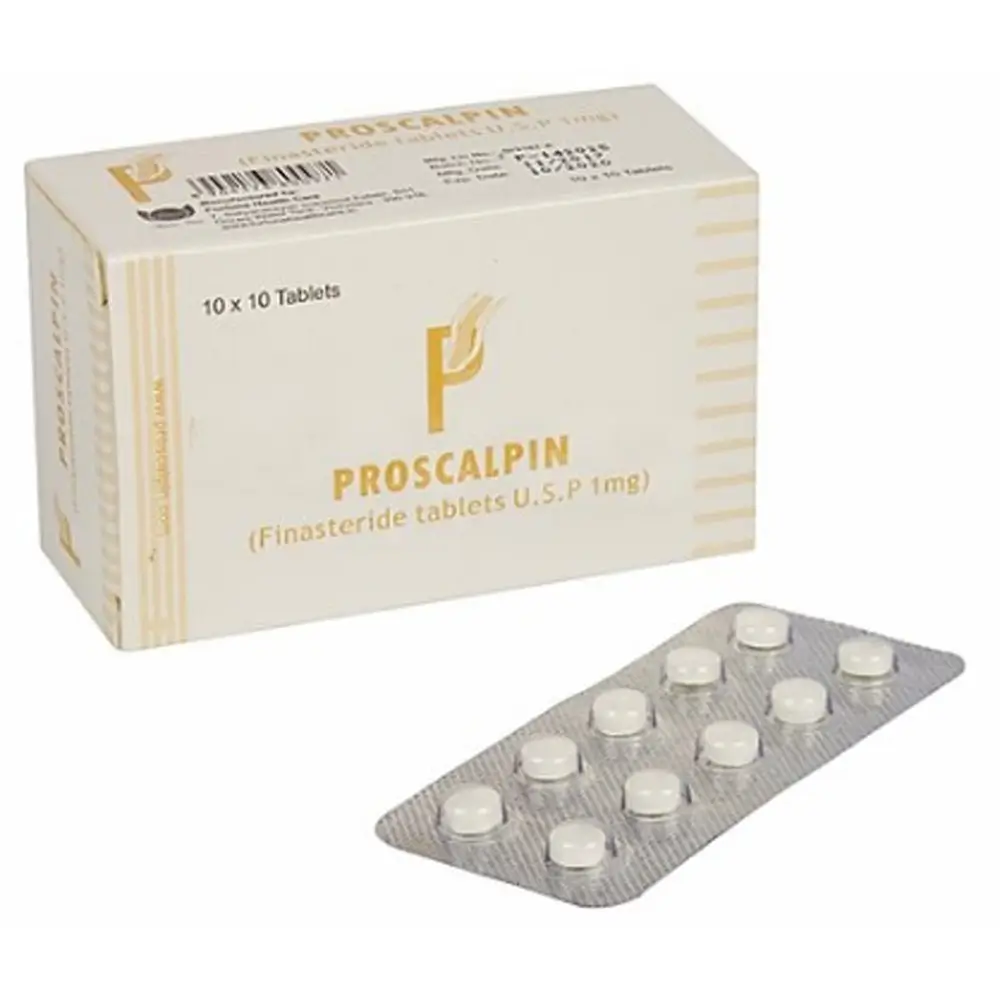
Proscalpin 1mg (Finasteride)
Previous product

Aten 50mg (Atenolol)
$30.00 $85.00Price range: $30.00 through $85.00
Next product
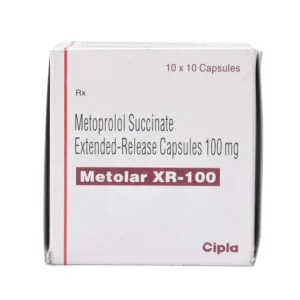
Metolar XR 100mg (Metoprolol)
$20.00 $45.00Price range: $20.00 through $45.00
$20.00 $55.00Price range: $20.00 through $55.00
In Stock
In Stock
Proscalpin 1mg (Finasteride)
| Pack Size | Price | Quantity | Add To Cart | |
|---|---|---|---|---|
| 100 Tablet/s | $20.00 | |||
| 200 Tablet/s | $38.00 | |||
| 300 Tablet/s | $55.00 | |||
| Want to order in bulk / B2B price? Send Inquiry | ||||
×
Sorry!! Out of Stock
Sorry! Proscalpin 1mg (Finasteride) is out of stock
Please click below to view other similar medications.
View All Finasteride Products
Offer You Can't Resist
Free Shipping
Enjoy Free Shipping on Orders above AUD304 (USD199)
Estimate Delivery :
15 September - 22 September
31
Recommended
Very satisfied with the service. Everything was well organized, communication was clear, and the shipment was professionally prepared. I would recommend this company for its reliable service
 Australia
August 14, 2026
Last Updated on May 14, 2026

Description
Proscalpin 1mg (Finasteride): Uses, Benefits, Side Effects, and Important Information
Proscalpin 1mg contains finasteride, an anti-inflammatory medication that is extensively used to treat male hair loss (androgenetic Alopecia) and various other health issues related to the hormone called dihydrotestosterone (DHT). Finasteride can block the enzyme that is responsible for turning testosterone into DHT, which is a hormone that plays a role in the reduction of hair follicle size and the enlargement of the prostate.
This blog examines the use of the mechanism of action, doses, negative side effects, and precautions, and provides answers to common queries regarding Proscalpin 1mg.
What is Proscalpin 1mg?
Proscalpin 1mg is a prescription medicine that has finasteride in a dosage of 1 milligram per tablet. It’s used for combatting male pattern hair loss as it helps to reduce hair loss and stimulate hair regrowth at the top of your scalp. It’s part of a class of medicines that are known as 5-alpha-reductase inhibitors.
Finasteride also comes in larger dosages (usually 5 mg) under various brands for the treatment of benign prostate hyperplasia (BPH), which is a condition that causes an increased size of the prostate.
How Does Proscalpin 1mg Work?
The active ingredient, finasteride, is a drug that blocks the activity of the enzyme 5 alpha-reductase. The enzyme transforms testosterone into dihydrotestosterone (DHT), which is an extremely powerful androgen hormone associated with hair loss among genetically vulnerable men.
DHT is a receptor for androgens within hair follicles. This causes the hair follicles to shrink (miniaturize) and shorten the phase of growth which can eventually cause loss of hair and eventually hair loss. In diminishing DHT levels, finasteride lessens the damage to hair follicles and slows loss, and, frequently, it helps the growth of new hair.
Uses of Proscalpin 1mg
Treatment of Male Pattern Baldness
The most common reason for taking Proscalpin 1mg is androgenetic hair loss in men. The condition usually occurs on the front and top of the scalp, and can be caused by genes. Proscalpin can:
- Slow hair loss progression
- Increase hair density
- Improve hair thickness
Off-Label Uses
Although not a common prescription, finasteride can be used off-label to treat conditions like:
- Hirsutism (excessive hair growth in women)
- Certain hormone-sensitive skin disorders
How to Take Proscalpin 1mg
Proscalpin 1mg tablets are generally used each day, whether or not food is included. It is essential to be consistent for the best outcomes.
It can be between 3 and 6 months for continuous usage before a noticeable improvement in the growth of hair is evident. It is essential to continue treatment in order for a long time to ensure benefits are maintained; stopping the treatment typically results in the reverse of its effects within the course of a year.
Possible Side Effects of Proscalpin 1mg
While generally tolerated Finasteride is generally well-tolerated, Finasteride can trigger side effects for some people. They are usually mild and brief; however, it’s crucial to be aware.
Common Side Effects:
- Decreased libido (reduced sexual desire)
- Erectile dysfunction (difficulty achieving or maintaining an erection)
- Decreased ejaculate volume
- Breast tenderness or enlargement (gynecomastia)
Less Common/Serious Side Effects:
- Depression or mood changes
- Testicular pain
- Allergic reactions such as rash or swelling
If persistent or severe adverse reactions occur Medical advice must be sought out immediately.
Who Should Not Use Proscalpin 1mg?
Proscalpin 1mg cannot be recommended for use by women as well as children. This medication is indicated specifically for males over the age of 18 who suffer from androgenetic alopecia.
Women who are planning to have a baby should stay clear of tablets that have been broken or crushed because of the potential risk for a male fetus.
People suffering from liver diseases or certain hormone-sensitive disorders must consult with their physician before beginning treatments.
Important Precautions
- Pregnancy warning: The women who are currently pregnant or who are likely to become pregnant ought to stay clear of exposure to finasteride because it may cause problems with the birth of male fetuses.
- Regular monitoring: If you notice breast lumps or discharges from nipples or other unusual changes to your breasts, notify your doctor immediately.
- Drug interactions: Your healthcare professional should be aware of the other supplements or medications you take.
FAQs About Proscalpin 1mg
Q1: How soon will I see results with Proscalpin?
The visible improvement in the growth of hair generally lasts between 3 and 6 months. However, some men might notice improvements in as little as two months. A consistent daily dose is vital.
Q2: Can Proscalpin stop hair loss permanently?
Proscalpin reduces or stops hair loss when the drug is in use. But discontinuing treatment often leads to hair loss resuming in about 12 months.
Q3: Are the sexual side effects permanent?
The majority of sexual side effects can be reversed when you stop taking the medication. Men who are not taking the medication might experience persistent side effects and are advised to consult with their health physician.
Q4: Can women use Proscalpin?
Proscalpin isn’t permitted for use by women, specifically women who are expecting or who are in the process of becoming pregnant. It is possible to have rare instances when doctors recommend finasteride to women suffering from specific ailments; however, this isn’t often.
Q5: Is Proscalpin safe for long-term use?
Research suggests that finasteride is suitable for use over a long period of time; however, regular monitoring with a medical professional is suggested.
Q6: Can I use Proscalpin with other hair loss treatments?
Yes, certain patients may make use of finasteride when combined with topical treatments, such as minoxidil. Consult your doctor before combining treatments.
Conclusion
Proscalpin 1mg (finasteride) is an extremely efficient treatment for those who suffer from male pattern baldness. Through targeting DHT, which is the hormone that causes hair follicle shrinkage it can reduce loss of hair and stimulate the growth of hair, enhancing its volume and appearance as time passes.
Even though Proscalpin has been proven to be safe, it is not without a solid safety profile; any potential adverse effects, specifically the ones that affect sexual functions, should be discussed candidly with your healthcare professional before beginning treatment. Monitoring of your medical condition regularly and adhering to the prescribed dosage will ensure the most effective outcomes.
If you’re struggling with losing hair, talking to a medical professional regarding Proscalpin 1mg may help determine if it’s the right option for you, according to your personal condition and the pattern of loss.
Related products
Recently Viewed

Reviews
There are no reviews yet.