
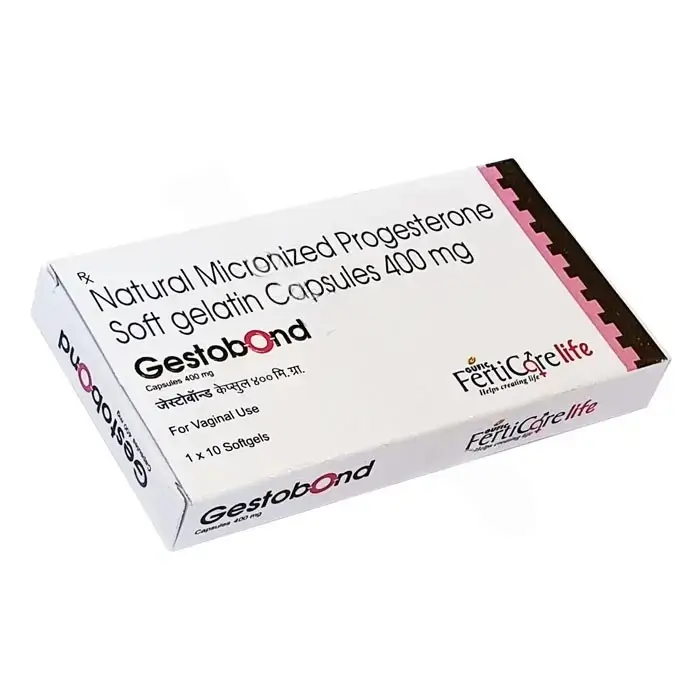
Progesterone 400mg (Progesterone)
Previous product


Siphene 100mg (Clomiphene)
A$33.00 A$75.00Price range: A$33.00 through A$75.00
Next product
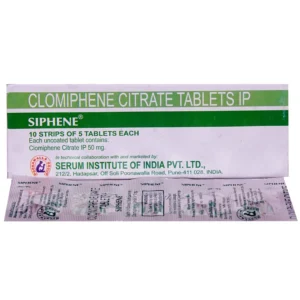
Siphene 50mg (Clomiphene)
A$22.50 A$53.75Price range: A$22.50 through A$53.75
A$52.50 A$110.00Price range: A$52.50 through A$110.00
In Stock
In Stock
Progesterone 400mg (Progesterone)
| Pack Size | Price | Quantity | Add To Cart | |
|---|---|---|---|---|
| 30 Capsule/s | A$52.50 | |||
| 60 Capsule/s | A$75.00 | |||
| 90 Capsule/s | A$110.00 | |||
| Want to order in bulk / B2B price? Send Inquiry | ||||
×
Sorry!! Out of Stock
Sorry! Progesterone 400mg (Progesterone) is out of stock
Please click below to view other similar medications.
View All Progesterone Products

Offer You Can't Resist
Free Shipping
Enjoy Free Shipping on Orders above AUD304 (USD199)
Estimate Delivery :
12 October - 19 October
42
Excellent service overall
Smooth checkout, quick dispatch, and secure delivery. Excellent service overall
 Australia
October 1, 2026
Last Updated on May 14, 2026

Description
Progesterone 400mg: Uses, Benefits, and Important Information
Progesterone is a natural hormone found in human bodies and plays a vital part in menstrual cycles, as well as pregnancy and reproductive health. Progesterone 400mg is the dose that is typically prescribed for specific medical procedures to manage hormone levels in women. This article will explain the details of what Progesterone 400mg means, what it is, how it operates, its applications, the adverse effects, as well as the most important aspects to consider.
What is Progesterone?
Progesterone, a steroid hormone that is produced through the ovaries following ovulation, and the placenta when pregnant. It’s essential to prepare the uterus to be pregnant and to keep the pregnancy going by protecting the lining of the uterus. The hormone regulates the actions of estrogen. It is a vital hormone that is found in the reproductive system of females.
Progesterone is commonly used in medical practice to correct hormonal imbalances, help with fertility treatment, and manage the symptoms that are related to menstrual irregularities and menopausal changes.
What Is Progesterone 400mg?
Progesterone 400mg is a pharmaceutical product that contains 400 milligrams of progesterone, generally in the form of capsules or vaginal suppositories. The dosage ranges from moderate to high and is typically utilized for certain medical conditions such as hormonal replacement therapy (HRT) or treatment for the luteal phase defect, or helping to support early conception with assisted reproductive technology, including IVF (in vitro fertilization).
Common Uses of Progesterone 400mg
Hormone Replacement Therapy (HRT):
Menopausal women or those who are perimenopausal often experience signs like hot flashes, mood swings, and irregular periods because of a decline in hormone levels. Progesterone is a 400mg dose that can be dispensed as part of HRT to control hormone levels and decrease the possibility of developing endometrial hyperplasia (thickening of the lining of the uterus).
Support in Assisted Reproductive Technologies:
When it comes to IVF and other fertility therapies, the use of progesterone helps to strengthen the lining of the uterus and help keep the pregnancy going until it is early. Progesterone 400 mg is a typical dosage that is administered orally or vaginally when undergoing these treatments.
Luteal Phase Defect Treatment:
Women may experience inadequate progesterone levels after the ovulation period, which can cause fertility problems or miscarriages early. Progesterone 400mg doses can be prescribed to boost luteal phase support.
Management of Irregular Menstrual Cycles:
Progesterone is a hormone that regulates the menstrual cycle through the process of shedding the uterine lining in case a pregnancy does not occur and normalizes irregular menstrual cycles.
Prevention of Preterm Birth:
In certain instances, it is recommended to supplement progesterone to decrease the chance of preterm labor among women who have a history of premature birth.
How Does Progesterone 400mg Work?
Progesterone is a hormone that binds to progesterone receptors located in the uterus, as well as in various reproductive tissues. It aids in the maintenance of the lining of the uterus, which makes it suitable for embryo implant as well as pregnancy to continue. If it is administered in the form of medicine, it mimics natural hormones’ effects, returning the balance of hormones and assisting in sustaining the reproductive function.
Forms of Progesterone 400mg
Progesterone 400mg is sold in a variety of forms, such as:
- Oral Capsules: Intakes by mouth usually made micronized to improve absorption.
- Vaginal Suppositories or Gels: Vaginally inserted to deliver into the uterus. It is also effective in reducing the effects on the system.
- Injectable Forms: Sometimes, fertility treatment is used to control the release.
The procedure of administration is based on the condition of the patient, the preference of the patient, and the advice of the physician.
Possible Side Effects
As with all medicines, Progesterone 400mg may cause negative side effects. However, every person experiences them. The most common side effects are:
- Fatigue or drowsiness
- Headaches
- Breast tenderness or swelling
- Mood changes, such as irritability or depression
- Bloating or abdominal discomfort
- Spotting or breakthrough bleeding
- Nausea
The more serious effects of the drug can be rare, but they could also be a result of allergic reactions, extreme migraines, changes in vision, or indications that blood clots are present (such as leg swelling or chest discomfort). Consult your physician when you notice unusual symptoms.
Important Precautions and Considerations
- Medical History: Tell your doctor about the history of blood clots, liver diseases, and breast cancer. Other cardiovascular issues.
- Pregnancy: Progesterone 400mg is typically utilized during the early stages of pregnancy, under medical supervision. However, taking it yourself is not recommended.
- Interactions: Certain medicines can affect the metabolism of progesterone, for example, some antibiotics, anticonvulsants, and herbs as supplements.
- Dosage: Be sure to follow the dose as prescribed. Never alter or stop the medicine without consulting your doctor.
Frequently Asked Questions (FAQs)
Q1: Can Progesterone 400mg be used to treat menopause symptoms?
A: Yes, Progesterone can be employed in conjunction with estrogen during hormonal replacement therapy to ease symptoms of menopause and to protect the lining of the uterus.
Q2: How long should I take Progesterone 400mg during fertility treatments?
A: The length of time varies, but generally extends from the 10th-12th week of gestation, or as instructed by your fertility expert.
Q3: Are there any dietary restrictions when taking Progesterone 400mg?
A: There are rarely specific dietary requirements; abstaining from alcohol and adhering to an appropriate diet are essential to the success of treatment.
Q4: Can men take progesterone?
A: Although progesterone is mostly an estrogenic hormone for women, it is sometimes utilized by males for certain health conditions, but only under strictly controlled medical supervision.
Q5: What should I do if I miss a dose?
A: Do not miss a dose immediately when you can remember, unless it’s close to the time of the next dose. Don’t double-dose without consulting your physician.
Q6: Is Progesterone 400mg safe during pregnancy?
A: Progesterone can be prescribed for pregnant women to aid in maintaining the uterine environment, but it must only be used under the supervision of a medical professional.
Conclusion
Progesterone 400mg is a crucial medicine to manage diverse reproductive health problems that range from supporting fertility treatments to tackling menopausal symptoms. Knowing how it functions and its functions, as well as potential negative effects, as well as the precautions, could help people make use of it in a safe and effective manner.
If you think you could get the benefit of progesterone treatment, or you are worried about your hormone health, seek out a medical professional. Individualized advice and regular monitoring guarantee the most effective results from progesterone therapy.
Follow your physician’s advice, do not self-medicate, particularly when it comes to hormone treatment. A proper dosage of Progesterone 400mg can result in significant improvements in general health and well-being.
Related products




Reviews
There are no reviews yet.