
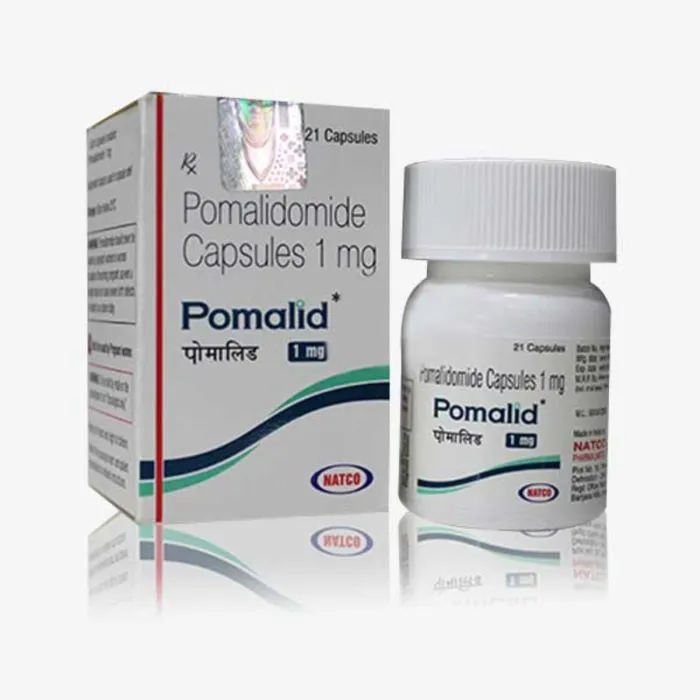
Pomalid 1mg (Pomalidomide)
Previous product

Melacare Forte Cream
$12.00 $105.00Price range: $12.00 through $105.00
Next product
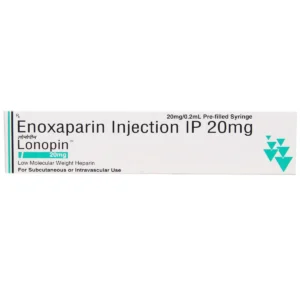
Lonopin 20mg Injection (Enoxaparin)
$40.00 $125.00Price range: $40.00 through $125.00
$218.50 $836.22Price range: $218.50 through $836.22
In Stock
In Stock
Pomalid 1mg (Pomalidomide)
| Pack Size | Price | Quantity | Add To Cart | |
|---|---|---|---|---|
| 21 Capsule/s | $218.50 | |||
| 42 Capsule/s | $425.71 | |||
| 84 Capsule/s | $836.22 | |||
| Want to order in bulk / B2B price? Send Inquiry | ||||
×
Sorry!! Out of Stock
Sorry! Pomalid 1mg (Pomalidomide) is out of stock
Please click below to view other similar medications.
View All Pomalidomide Products

Offer You Can't Resist
Free Shipping
Enjoy Free Shipping on Orders above AUD304 (USD199)
Estimate Shipping :
18 June - 25 June
31
Last Updated on May 13, 2026

Description
Pomalid 1mg (Pomalidomide): Uses, Benefits, and Important Information
Pomalid 1mg, contains an active component, pomalidomide, which is an extremely potent medicine that is used for the treatment of certain kinds of cancers that affect blood vessels. Pomalidomide is part of a category of medications that are known as immunomodulatory drugs, which function by altering the body’s immune response and stopping the growth of cancerous cells. It is usually prescribed for people suffering from multiple myeloma. This is especially true when previous therapies have not worked or have returned.
The article gives a brief outline of Pomalid 1mg. It explains its functions, the mechanism of action, dose, adverse effects, and safety precautions, and frequently asked questions that will help those who are taking it and their family members understand the significance of this drug.
What is Pomalid 1mg?
Pomalid 1mg tablets are the drug pomalidomide. It is a derivative of the drug thalidomide that is designed to attack and fight multiple myelomas, a type of tumor of plasma cells that is found in the bone marrow. Pomalidomide is a stimulant for the immune system to fight cancerous cells, while also stopping the growth and expansion.
How Does Pomalid 1mg Work?
Pomalidomide offers multiple modes of action:
- Immunomodulation: It boosts the immune system’s ability to fight off infection by activating T-cells as well as the natural killer (NK) cells. These are essential in the detection and destruction of cancerous cells.
- Anti-angiogenesis: It hinders the growth of blood vessels (angiogenesis) in tumors. cutting cancer cells off from the nutrition they require to develop.
- Direct Antiproliferative Effect: Pomalidomide affects the malignant growth cycle of plasma cells. This causes the cells to cease growing.
Uses of Pomalid 1mg
- Multiple Myeloma: The main indication for the drug Pomalid 1mg is to treat myeloma patients who’ve received at least two previous therapies that include lenalidomide as well as an inhibitor of proteasomes, and whose condition has advanced.
- Off-label Uses: In certain instances, the use of pomalidomide is in conjunction with other hematologic malignancies or other conditions, only under medical supervision.
Dosage and Administration
- Typical Dose: The standard dose is 4 mg, taken every day on days 1 to 21 of a 28-day cycle. However, dosages can differ depending on the individual condition of the patient, as well as the guidance of your physician.
- Administration: Pomalid 1mg is to be consumed orally and preferably every morning with a glass of water.
- Treatment Duration: Treatment continues until progression of the disease or unacceptable toxicity develops.
Your physician will closely track your reaction and could alter dosage or schedule in accordance with your needs.
Benefits of Pomalid 1mg
- Effective in Resistant Cases: Pomalidomide has proven to be effective for patients with multiple myeloma who are resistant to conventional treatments.
- Immune System Support: In addition, regulating immune function, it assists the body in naturally fighting cancer cells.
- Oral Administration: The oral dosage makes the treatments more comfortable than intravenous chemotherapy.
- Combination Therapy: The drug is frequently employed in conjunction with other drugs like dexamethasone to enhance the results.
Potential Side Effects
Similar to all cancer therapies, Pomalid 1mg can cause negative side effects. The most common ones are:
- Fatigue and weakness
- Nausea and vomiting
- Diarrhea or constipation
- Low blood counts (anemia, neutropenia, thrombocytopenia)
- Increased risk of infections
- Peripheral neuropathy (numbness or tingling in hands or feet)
- Blood clots
Serious side effects may occur, and regular blood tests and constant monitoring are crucial. Get in touch with your doctor immediately if your chest is experiencing pain, breathing difficulty, or any signs of infection, like fever.
Precautions and Warnings
- Pregnancy Risk: Pomalidomide is highly teratogenic, that is, it may cause birth defects or even fetal deaths. The drug should not be utilized in pregnancy. Women who are pregnant or planning to have children must utilize an effective contraception before, during, and following treatment.
- Blood Clots: Patients with a higher chance of thrombosis. Preventive actions, like blood thinners, could be suggested.
- Regular Monitoring: Regular blood tests to check the levels of blood as well as organ function are a must.
- Avoid Alcohol and Smoking: This can cause more side effects of medication or hinder the effectiveness of treatment.
Drug Interactions
Pomalid 1mg may interfere with other drugs, such as blood thinners, immunosuppressants, and drugs that alter liver enzymes. Make sure you inform your physician about any medications or supplements you take.
Frequently Asked Questions (FAQs)
Q1: What is Pomalid 1mg primarily used for?
A1: Pomalid 1mg is used primarily to treat myeloma patients who have previously tried other therapies but were unsuccessful.
Q2: How is Pomalid 1mg taken?
A2: It’s taken orally, typically once a day for 21 days, followed by 7 days of rest over a period of 28 days in accordance with the instructions of your physician.
Q3: What should I do if I miss a dose?
A3: You should take the missed dose immediately on the same day. Make sure you don’t increase the dose. If it’s getting close to your next dose, you can skip the dose missed and return to your normal schedule.
Q4: Can I take Pomalid 1mg during pregnancy?
A4: No, the Pomalid 1mg dose is highly teratogenic. It should not be administered when pregnant. An effective contraceptive method is essential for pregnant women.
Q5: What are common side effects of Pomalid 1mg?
A5: The most common side effects are nausea, fatigue, poor blood counts, the possibility of infection, and peripheral neuropathy.
Q6: Will I need regular blood tests?
A6: Yes, Indeed, regular blood tests are vital for monitoring blood cell counts and detecting side effects in the early stages.
Q7: Can Pomalid 1mg be combined with other treatments?
A7: Yes, It is used in conjunction with dexamethasone and other treatments to increase effectiveness under supervision from a physician.
Q8: How long does treatment with Pomalid 1mg last?
A8: The treatment continues until the illness gets worse or any side effects turn unbearable, as per the decision of the oncologist.
Conclusion
Pomalid 1mg (pomalidomide) is an essential medicine in treating multiple myeloma. This is especially true in patients who haven’t had a response to prior treatments. The ability of the drug to activate the immune system and also stop the growth of cancer cells can make it a powerful alternative for patients suffering from this disease.
Although Pomalid 1mg can be a positive option for a lot of patients, it also comes with serious risks and possible adverse effects that need cautious control. Careful monitoring by health experts, strict adherence to dose instructions, and awareness of possible negative reactions are essential to ensure a safe and efficient treatment.
If you or your loved one was prescribed Pomalid 1mg for treatment, make sure you maintain that you communicate regularly with your medical team. You should report any side symptoms promptly and comply with any medical recommendations with care. When used properly, Pomalid 1mg can improve your quality of life and also aid in better control of the disease for patients with multiple myeloma.
Related products


Reviews
There are no reviews yet.