
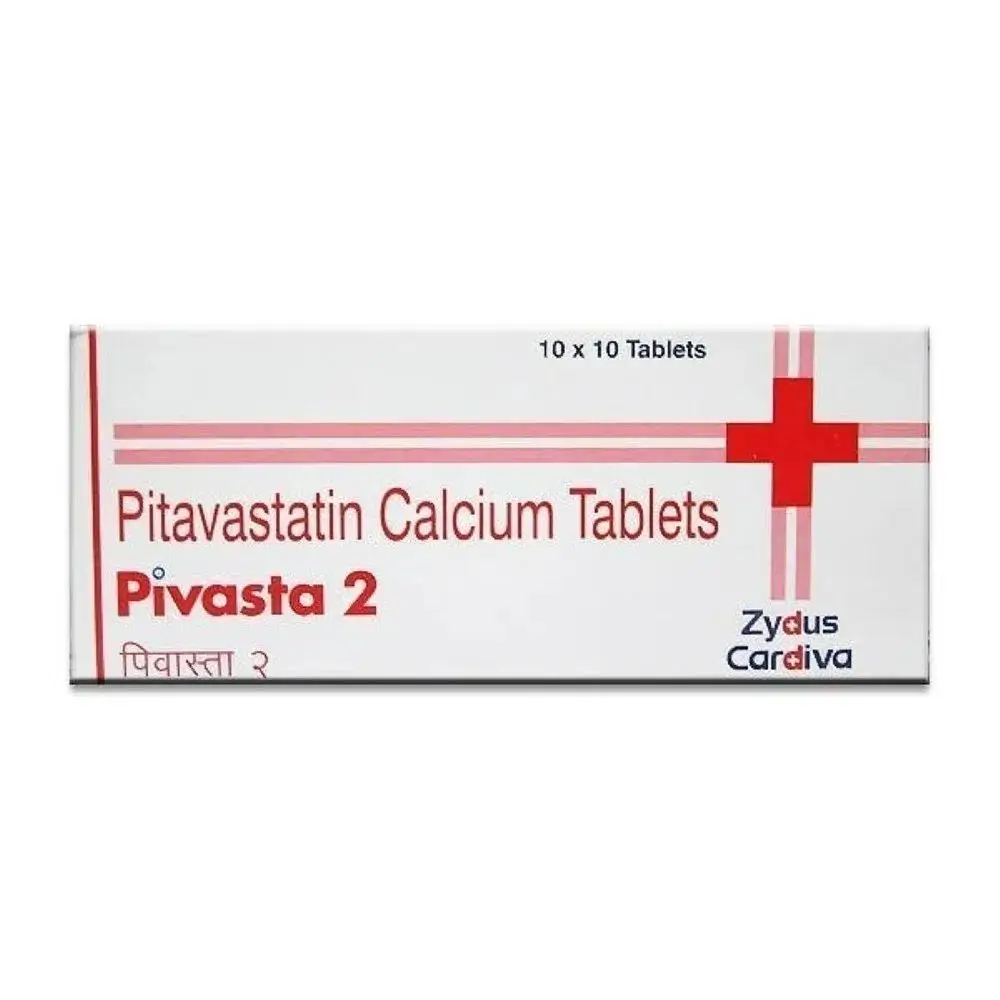
Pivasta 2mg (Pitavastatin)
Previous product

Pivasta 1mg (Pitavastatin)
A$24.57 A$45.62Price range: A$24.57 through A$45.62
Next product

Pivasta 4mg (Pitavastatin)
A$40.01 A$91.25Price range: A$40.01 through A$91.25
A$25.27 A$59.66Price range: A$25.27 through A$59.66
In Stock
In Stock
Pivasta 2mg (Pitavastatin)
| Pack Size | Price | Quantity | Add To Cart | |
|---|---|---|---|---|
| 30 Tablet/s | A$25.27 | |||
| 60 Tablet/s | A$40.36 | |||
| 90 Tablet/s | A$59.66 | |||
| Want to order in bulk / B2B price? Send Inquiry | ||||
×
Sorry!! Out of Stock
Sorry! Pivasta 2mg (Pitavastatin) is out of stock
Please click below to view other similar medications.
View All Pitavastatin Products
Offer You Can't Resist
Free Shipping
Enjoy Free Shipping on Orders above AUD304 (USD199)
Estimate Delivery :
17 October - 24 October
26
Very friendly and helpful
As well as providing good quality Modalert 200mg, your entire team is very professional and the shipment is very fast.
 Australia
December 13, 2024
Response from Modalertaustralia
Thank you so much for your kind words! We’re glad you’re happy with the quality of Modalert 200mg and our team’s service. Fast and reliable shipping along with professional support is exactly what we aim for. We truly appreciate your trust!
Last Updated on May 13, 2026

Description
Pivasta 2mg (Pitavastatin): A Comprehensive Guide to Cholesterol Management
The control of cholesterol levels is an important measure to prevent cardiovascular disease, including heart attacks as well as strokes. The most common medication used to control cholesterol levels is Pivasta, is a medication that includes its active component Pitavastatin. This article explains the basics of what Pivasta is and how it functions, its advantages and dosage, as well as side effects, warnings, and responses to frequently asked questions that will aid you in understanding this drug more thoroughly.
What is Pivasta 2mg (Pitavastatin)?
Pivasta is the brand name for Pitavastatin, an anti-inflammatory drug that belongs to the category of drugs referred to by the name statins. Statins are extensively used for the purpose of reducing the level of low-density lipoprotein (LDL) cholesterol–often referred to as “bad cholesterol”– and increasing the amount of high-density lipoprotein (HDL) or “good cholesterol” within the blood.
Pitavastatin is an effective statin that works by blocking an enzyme known as HMG-CoA reductase that plays an important role in generating cholesterol in the liver. Through reducing the production of cholesterol, Pivasta helps lower total cholesterol, LDL cholesterol, and triglycerides, thereby lowering the likelihood of developing heart disease.
How Does Pivasta Work?
Pivasta reduces cholesterol by inhibiting the enzyme HMG-CoA reductase essential for liver function and the production of cholesterol. It reduces the amount of cholesterol that is produced, causing liver cells to remove greater amounts of cholesterol from the bloodstream. As a result, LDL cholesterol levels drop, and the chance of plaque build-up in the arteries (atherosclerosis) is decreased.
Furthermore, Pitavastatin slightly increases HDL cholesterol. It assists in removing cholesterol from the bloodstream and transfers it to the liver to be eliminated, thereby improving the health of your heart.
Who Should Take Pivasta?
Pivasta is primarily prescribed for those who suffer from:
- Increased LDL cholesterol levels or total cholesterol levels that don’t respond well to lifestyle and diet changes by themselves
- The presence of a history of cardiovascular disease like heart attack, stroke
- The risk factors that contribute to heart disease, such as hypertension, diabetes, or smoking
- Familial hypercholesterolemia, a genetic condition causing very high cholesterol levels
The doctor you consult may suggest Pivasta as one of the components of a complete cholesterol-management plan that includes exercise, diet, and lifestyle adjustments.
Dosage and Administration
Pivasta is usually available in 1 mg, 2 mg, and 4 mg. The 2mg dosage is typically recommended to initiate treatment or keep cholesterol levels in check. The exact dose will depend on your specific medical condition, your levels of cholesterol, and your reaction to treatment.
- The recommended starting dosage ranges from 1 to 2 mg twice a day.
- The dosage can be modified by a health care physician up to a maximum dosage of 4 mg daily.
- The usual dosage is every day, whether or not food is included.
- The habit of taking your medication in the same way every day is essential for the best outcomes.
Always follow the doctor’s prescriptions and never alter dosage or discontinue the medicine without consulting your medical professional.
Benefits of Pivasta (Pitavastatin)
- Effective cholesterol reduction: Pivasta substantially reduces LDL cholesterol as well as the total cholesterol level.
- Improves heart health: Lowering LDL cholesterol, it can help prevent the progression of atherosclerosis. It also reduces the chance of having strokes and heart attacks.
- May improve blood vessel function: The Pitavastatin-like statins can help boost the health of the blood vessel lining by enhancing blood circulation.
- Once-daily dosing: Easy to incorporate into daily routines.
Possible Side Effects
Like other medications, Pivasta can cause side effects. However, not everybody is affected by them. Some of the most frequent side effects are:
- Headache
- Muscle pain or weakness (myalgia)
- Nausea or abdominal pain
- Constipation or diarrhea
- Elevated liver enzymes (usually monitored by blood tests)
Serious but rare side effects include:
- Breakdown of muscle (rhabdomyolysis) is a condition that may cause extreme painful muscle and kidney problems.
- Allergic reactions such as rash, itching, or swelling
- Liver problems indicated by jaundice (yellowing of the skin or eyes)
If you are experiencing unanswered muscular pain, weakness, or discomfort, or dark urine, seek out your doctor right away.
Precautions and Warnings
- Liver function: The liver’s enzyme levels should be assessed before beginning treatment, and also during the course of treatment, to ensure that liver health is being monitored.
- Muscle symptoms: Statins may cause problems with muscles. Inform your physician when you notice any strange muscular tenderness or an increase in muscle weakness.
- Pregnancy and breastfeeding: Pivasta is not recommended for the course of breastfeeding or pregnancy due to the risk of harm to the infant.
- Interactions: Your healthcare professional should be aware of the other medicines, supplements, or herbal supplements you’re taking in order to prevent interactions with drugs.
- Kidney disease: Monitors or dosage adjustments might be needed for those suffering from kidney problems.
Lifestyle Changes to Complement Pivasta Therapy
The use of medication alone will not be enough to control cholesterol. Lifestyle changes that complement Pivasta treatment include:
- A heart-healthy diet that is low in trans and saturated fats
- A higher intake of fruit and vegetables, whole grains, and nutritious fats
- Regular exercise (at a minimum of 150 minutes of moderate exercise every week)
- A healthy weight and maintaining it
- Refraining from smoking and restricting alcohol consumption
- Managing stress
The changes do not just enhance the efficacy of Pivasta but also improve the overall health of your cardiovascular system.
Frequently Asked Questions (FAQs)
Q1: How soon will I see results after starting Pivasta?
Many patients start to notice lower levels of cholesterol in 2 to 4 weeks. The most dramatic effects usually occur in the first 4 to 6 weeks after treatment.
Q2: Can I stop taking Pivasta once my cholesterol improves?
No, the management of cholesterol with statins usually requires a long-term commitment. Removing the medicine without medical guidance could cause an increase in cholesterol levels.
Q3: What should I do if I miss a dose?
You should take the dose missed when you remember. If it’s almost due for the next dose, you can skip the dose you missed and don’t double on it.
Q4: Are there any foods I should avoid while on Pivasta?
Although Pitavastatin is not subject to as many restrictions on foods as other statins. However, it’s recommended to restrict the consumption of grapefruit and juices from grapefruit since they may increase the levels of drugs in the blood. They can also result in adverse consequences.
Q5: Is it safe to take Pivasta with other medications?
Pitavastatin may interact with certain medications, including certain antibiotics, antifungals, and immunosuppressants. Make sure to consult with your doctor before beginning any new treatment.
Q6: Can Pivasta cause weight gain?
Weight gain isn’t an unusual side effect associated with Pitavastatin. Maintaining a healthy eating and exercising routine is essential when you are taking the medication.
Conclusion
Pivasta 2mg (Pitavastatin) is a highly effective statin medication that helps manage high cholesterol and lower the likelihood of suffering from cardiovascular illnesses. In reducing LDL cholesterol levels and improving the lipid profile it helps to protect the blood vessels and heart from the damage resulting from cholesterol accumulation.
If combined with lifestyle modifications like a healthy eating plan, exercising regularly, and abstaining from smoking, Pivasta can be an important element of your cardiovascular health plan. But, as with all medications to be utilized, Pivasta must be administered under the supervision of a physician and with sensitivity to possible side effects and interactions.
If you’ve been given Pivasta and you are taking it regularly, be sure to follow up with your physician to track the progress of your treatment and take care of any issues. A commitment to your regimen could make all the contribution to maintaining an ideal heart health and delaying the possibility of future problems
Additional Information
| Manufacturer | Zydus Cadila Pharma |
|---|---|
| Pharmaceutical | Tablet/s |
| Strength | 2 mg |
| Pack Size | 30 Tablet/s, 60 Tablet/s, 90 Tablet/s |
Related products


Recently Viewed

Reviews
There are no reviews yet.