
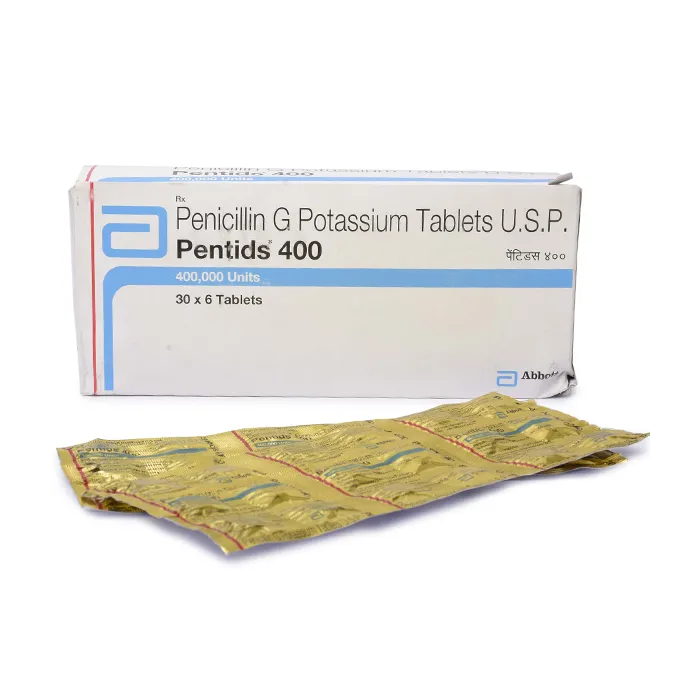
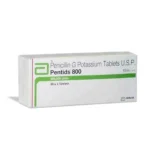
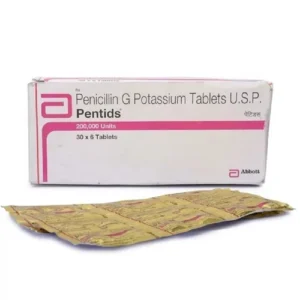
Pentids 400 (Penicillin G)
Previous product
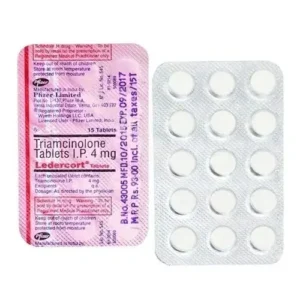
Ledercort (Triamcinolone)
A$18.77 A$34.66Price range: A$18.77 through A$34.66
Next product
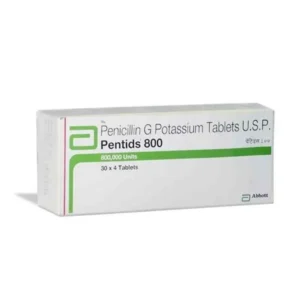
Pentids 800000IU (Penicillin G)
A$27.44 A$46.21Price range: A$27.44 through A$46.21
A$30.69 A$55.96Price range: A$30.69 through A$55.96
Out of Stock
Out of Stock
Pentids 400 (Penicillin G)
| Pack Size | Price | Quantity | Add To Cart | |
|---|---|---|---|---|
| 60 Tablet/s | A$30.69 | |||
| 90 Tablet/s | A$43.32 | |||
| 120 Tablet/s | A$55.96 | |||
| Want to order in bulk / B2B price? Send Inquiry | ||||
×
Sorry!! Out of Stock
Sorry! Pentids 400 (Penicillin G) is out of stock
Please click below to view other similar medications.
View All Penicillin G Products
Offer You Can't Resist
Free Shipping
Enjoy Free Shipping on Orders above AUD304 (USD199)
25
A smooth and reliable
A smooth and reliable experience from order to shipment. Very satisfied with the service
 Australia
August 3, 2026
Last Updated on May 13, 2026

Description
Pentids 400 (Penicillin G): Complete Guide, Uses, Dosage & FAQs
Pentids 400 is a popular antibiotic that is a source of Penicillin G Potassium that is part of the class of penicillin. It has been used for years in the field of clinical medicine and research. Penicillin G is still among the most efficient treatments for a range of infections caused by bacteria, especially those caused by gram-positive bacteria with gram positive.
This blog outlines the essential information you should learn regarding Pentids 400, from its uses to its dose guidelines, adverse consequences, safety precautions, as well as the most frequently asked questions of patients.
What is Pentids 400?
Pentids 400 is a trademarked form that is a branded version of penicillin G Potassium–a natural penicillin antibiotic. It’s typically prescribed to treat mild to serious bacteria which react to treatment with penicillin. Every tablet in Pentids 400 typically contains 400000 units of penicillin G.
Drug Class: Natural Penicillin
Route of Administration: Oral
Form: Tablet
Strength: 400,000 IU (International Units)
How Does Penicillin G Work?
Penicillin G functions in a manner of blocking the production of the cell wall by bacteria. It also inhibits the proteins (penicillin-binding proteins) that aid bacteria in building their cell walls to protect themselves. In the absence of a healthy cell wall, it is impossible for bacteria to survive, which leads to the death of cells and lysis.
It’s bacteria-killing, that is, it actually destroys bacteria instead of slowing the growth of bacteria.
Indications: What is Pentids 400 Used For?
Pentids 400 helps manage a range of infections caused by bacteria, particularly those resulting from Penicillin-sensitive microorganisms. This includes:
- Streptococcal infections (e.g., strep throat, scarlet fever)
- Syphilis (primary, secondary, latent stages)
- Rheumatic fever prophylaxis
- Anthrax (early stage)
- Diphtheria (adjunctive therapy)
- Meningitis (Penicillin-sensitive strains)
- Actinomycosis
- Erysipelas
- Vincent’s angina
- Gonorrhea (uncomplicated cases)
- Bacterial endocarditis (in specific cases)
It’s ineffective against diseases that are caused by penicillin-resistant bacterial strains, viruses, or fungal infections.
Dosage and Administration
General Dosage (Adults):
- Mild to moderate infections: 200,000 to 400,000 IU every 6–8 hours
- Severe infections: More doses of parenteral Penicillin G might be necessary
Children:
- Dosing is determined by weight. It must be done by a pediatrician
Be sure to follow your physician’s specific guidelines. Complete the entire treatment is vital, regardless of whether symptoms are improving early.
How to Take Pentids 400
- You should take it on an empty stomach (1 hour before or 2 hours following meals)
- Take the tablet as a whole and drink it with the full amount of water in a glass.
- Avoid crushing or chewing the tablet
- Be sure to adhere to the scheduled times for maintaining regular levels of the medication
Side Effects of Pentids 400 (Penicillin G)
Common Side Effects:
- Nausea
- Vomiting
- Diarrhea
- Mild rash
- Injection site reactions (if given IV or IM)
Serious Side Effects:
- Allergic reactions (rash, itching, swelling, anaphylaxis)
- Severe diarrhea (may indicate C. difficile infection)
- Fever, joint pain (serum sickness-like reaction)
- Neurotoxicity (with high doses or renal impairment)
🚨 Seek emergency help if you experience:
- Difficulty breathing
- Swelling of face/lips
- Severe rash or peeling skin
- Yellowing of skin/eyes (jaundice)
- Seizures
Precautions and Warnings
✅ Inform your doctor if you have:
- Allergy to penicillin or cephalosporins
- Kidney disease
- Asthma or hay fever
- History of seizures
⚠️ Caution in:
- Pregnancy and breastfeeding (generally regarded as safe, but you should always consult your physician)
- Senior patients who have compromised kidney function
Drug Interactions
Penicillin G may react with these:
- Methotrexate – increased toxicity
- Probenecid – increases Penicillin levels
- Tetracyclines – may reduce Penicillin effectiveness
- Oral contraceptives – may reduce their effectiveness
Be sure to inform your doctor about any medication or supplement you’re taking.
Storage Instructions
- Keep it at or below 25°C (77°F) in a dry area
- Stay clear of moisture and direct sunlight
- Make sure that the items are out of the reach of young children
FAQs About Pentids 400 (Penicillin G)
Can Pentids 400 be used for viral infections like cold or flu?
No. Penicillin G can only treat the symptoms of bacterial infection. Penicillin G is not effective against viruses.
Is it safe to take Pentids 400 during pregnancy?
Yes, penicillin G is believed to be safe for use during pregnancy. However, it should be taken under supervision from a physician.
What should I do if I miss a dose?
You should take it as soon as you remember. If it’s getting close to your next dose, take a break from the dose you missed–do not overdose.
Can I stop taking Pentids 400 if I feel better after a few days?
No. Always complete the whole course in order to stop relapses and resistance to antibiotics.
What if I’m allergic to penicillin?
Do not take Pentids 400. Tell your doctor as soon as possible so you can have a different antibiotic ordered.
Can I take alcohol while using Pentids 400?
There’s no direct interaction. However, alcohol could cause more side effects or cause delays in the recovery process. The best thing is to stay clear of alcohol while taking antibiotics.
Can children take Pentids 400?
Yes, however, the dose must be modified in accordance with the child’s weight and age with the help of the pediatrician.
Conclusion
Pentids 400 (Penicillin G) remains a trusted and effective antibiotic that can treat many bacterial illnesses that affect the skin, respiratory tract, and sexually transmitted infections such as Syphilis. It’s quick-acting and safe when taken in moderation and essential in the prevention of complications associated with infections like endocarditis and rheumatic fever.
As with any antibiotic, usage should be cautious. Unwise use could lead to resistance and make future diseases more difficult to combat. Always speak with your physician to complete the program, and note any abnormal symptoms immediately.
If you’ve received a prescription for Pentids 400 for strep and syphilis, as well as prevention of recurrences of rheumatic disease, be assured you’re receiving the most well-tested, effective cure.
Additional Information
| Manufacturer | Abbott India Pvt Ltd |
|---|---|
| Pharmaceutical | Tablet/s |
| Strength | 400,000 Iu |
| Pack Size | 120 Tablet/s, 60 Tablet/s, 90 Tablet/s |
Related products
Recently Viewed
Reviews
There are no reviews yet.