Inflammatory bowel disease (IBD) is a chronic condition that affects millions of people worldwide and causes ongoing inflammation in the digestive tract. The two most common forms of IBD are ulcerative colitis and Crohn’s disease. These conditions can lead to symptoms such as abdominal pain, diarrhea, rectal bleeding, fatigue, and weight loss.
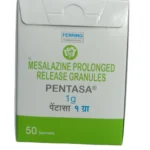
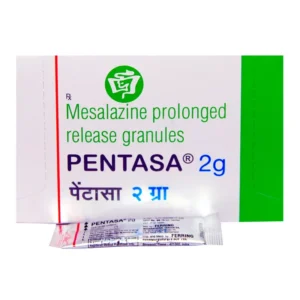
One commonly prescribed medicine for managing mild to moderate ulcerative colitis and certain cases of Crohn’s disease is Pentasa 500mg, which contains the active ingredient Mesalamine (also called 5-aminosalicylic acid or 5-ASA). Pentasa helps reduce inflammation inside the intestines and supports long-term disease control.
What is Pentasa 500mg?
Pentasa 500mg is an oral anti-inflammatory medicine belonging to the aminosalicylate class. It is specially formulated to release Mesalamine gradually throughout the digestive tract, beginning in the small intestine and continuing into the colon.
This controlled-release action allows the medication to target inflammation directly within the bowel while reducing systemic side effects.
Pentasa is mainly used for:
- Ulcerative colitis
- Mild to moderate Crohn’s disease
- Maintenance of remission in inflammatory bowel disease
How Does Pentasa (Mesalamine) Work?
Mesalamine acts locally in the digestive tract to reduce inflammation. Unlike steroids or stronger immunosuppressants, Mesalamine mainly works inside the bowel rather than throughout the entire body.
Its anti-inflammatory effects include:
- Blocking inflammatory chemicals such as prostaglandins and leukotrienes
- Reducing tissue damage caused by free radicals
- Helping regulate immune responses inside the intestine
These actions help relieve symptoms, reduce inflammation, and promote healing of the intestinal lining.
Uses of Pentasa 500mg
Ulcerative Colitis
Pentasa is widely used to:
- Reduce inflammation during active flare-ups
- Control symptoms such as diarrhea and rectal bleeding
- Maintain long-term remission
Crohn’s Disease
In certain mild to moderate cases of Crohn’s disease, especially involving the colon or small intestine, Pentasa may help reduce inflammation and discomfort.
Maintenance Therapy
Long-term use of Pentasa may help prevent future flare-ups and keep symptoms under control.
Dosage and Administration
The dosage of Pentasa depends on the severity of the condition and the patient’s response to treatment.
Typical Dosage
- Active ulcerative colitis: Usually between 2g and 4g daily
- Maintenance therapy: Often around 2g daily
How to Take Pentasa
- Swallow tablets whole with water
- Do not crush, chew, or break the tablets
- Take the medicine exactly as prescribed
- Continue treatment regularly, even when symptoms improve
The medicine is commonly taken multiple times daily depending on the prescribed dose.
Benefits of Pentasa 500mg
Effective Inflammation Control
Pentasa helps reduce bowel inflammation and relieve symptoms such as:
- Diarrhea
- Abdominal pain
- Rectal bleeding
- Urgency
Maintains Remission
Regular use may reduce flare-ups and help keep the disease stable.
Fewer Systemic Side Effects
Because Mesalamine acts mainly in the intestine, it generally causes fewer body-wide side effects compared to steroids.
Suitable for Long-Term Use
Many patients safely use Pentasa long term under medical supervision.
Improves Quality of Life
Controlling inflammation can help patients maintain daily activities and reduce hospital visits.
Possible Side Effects
Most people tolerate Pentasa well, but side effects may sometimes occur.
Common Side Effects
- Headache
- Nausea
- Abdominal discomfort
- Diarrhea
- Gas or bloating
- Skin rash or itching
Rare but Serious Side Effects
- Allergic reactions
- Kidney problems
- Liver inflammation
- Severe abdominal pain
- Persistent diarrhea
Seek medical attention immediately if serious symptoms develop.
Precautions and Warnings
Before taking Pentasa, inform your doctor if you:
- Have kidney or liver disease
- Are allergic to Mesalamine, aspirin, or salicylates
- Are pregnant or breastfeeding
- Are taking other medications
Regular blood tests may be recommended during long-term treatment to monitor kidney and liver function.
Drug Interactions
Pentasa may interact with:
- NSAIDs (anti-inflammatory medicines)
- Blood thinners
- Certain antibiotics
- Immunosuppressive medications
Always inform your healthcare provider about all medicines and supplements you use.
Who Should Avoid Pentasa?
Pentasa may not be suitable for individuals with:
- Severe kidney disease
- Known allergy to Mesalamine
- Intestinal blockage
- Severe hypersensitivity reactions to salicylates
Medical supervision is important before starting or stopping treatment.
Lifestyle Tips While Using Pentasa
Managing IBD involves both medication and healthy lifestyle habits.
Helpful Lifestyle Measures
- Eat a balanced diet
- Avoid foods that trigger symptoms
- Stay hydrated
- Manage stress levels
- Avoid smoking
- Attend regular medical check-ups
These habits may help improve symptom control and overall digestive health.
When to Contact Your Doctor
Consult your doctor if you experience:
- Severe abdominal pain
- Persistent diarrhea
- Rectal bleeding
- Swelling or breathing difficulty
- Changes in urination
- Severe nausea or vomiting
Prompt medical attention can help prevent complications.
Conclusion
Pentasa 500mg (Mesalamine) is an important treatment option for mild to moderate ulcerative colitis and selected cases of Crohn’s disease. Its targeted anti-inflammatory action helps control symptoms, promote healing, and maintain remission while minimizing systemic side effects.
With proper medical supervision, regular monitoring, and consistent use, Pentasa can significantly improve quality of life for individuals living with inflammatory bowel disease.







Reviews
There are no reviews yet.