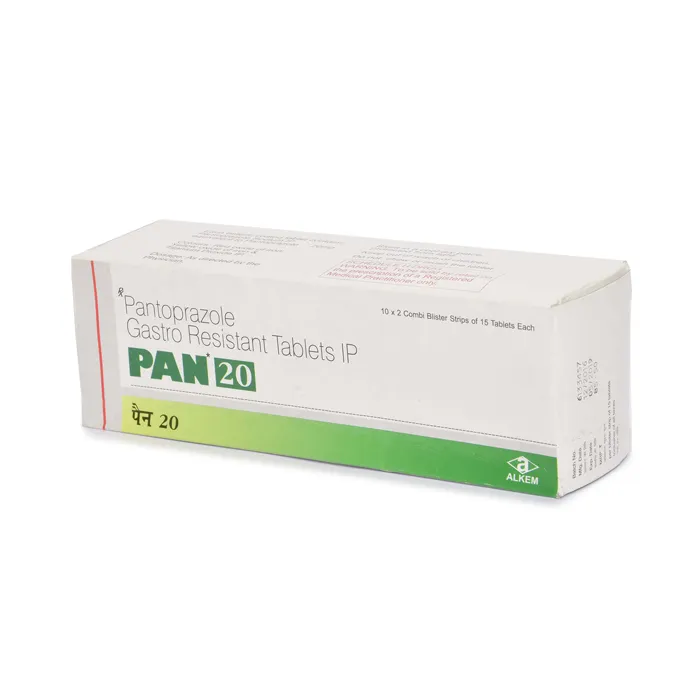
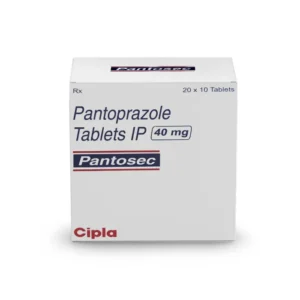
Pantoprazole, commonly sold under the brand name Pan 20mg, is a proton pump inhibitor (PPI) used to treat a variety of digestive disorders related to excess stomach acid. It is one of the most commonly prescribed medications for acid-related conditions because it works by reducing the amount of acid produced in the stomach. This helps relieve symptoms and promotes healing in several gastrointestinal conditions.
In this article, we will discuss the uses, benefits, dosage, side effects, and important precautions related to Pan 20mg (Pantoprazole).
What is Pan 20mg?
Pantoprazole belongs to a group of medications known as proton pump inhibitors (PPIs). Its primary function is to block the proton pumps in the stomach lining that are responsible for acid production. By reducing stomach acid, Pantoprazole helps manage several acid-related digestive disorders.
Pan 20mg is available in tablet form and is prescribed for adults and children over 5 years of age, depending on the condition being treated.
Common Uses of Pan 20mg
1. Gastroesophageal Reflux Disease (GERD)
Gastroesophageal Reflux Disease occurs when stomach acid flows back into the esophagus, causing irritation and discomfort. Pantoprazole helps reduce acid production, relieving symptoms such as heartburn and allowing the esophagus to heal.
2. Peptic Ulcers
Peptic Ulcer develops when sores form in the stomach lining or upper intestine. Pantoprazole lowers acid levels, helping ulcers heal more effectively and preventing further damage.
3. Helicobacter pylori Eradication
Helicobacter pylori Infection can cause stomach ulcers. Pantoprazole is often used along with antibiotics to help eliminate the bacteria and support ulcer healing.
4. Zollinger-Ellison Syndrome
Zollinger-Ellison Syndrome is a condition in which the stomach produces excessive acid. Pantoprazole helps control acid secretion and reduces complications caused by this disorder.
5. Prevention of NSAID-Induced Ulcers
Long-term use of NSAIDs such as ibuprofen or aspirin may irritate the stomach lining and lead to ulcers. Pantoprazole is commonly prescribed to reduce this risk.
How Does Pan 20mg Work?
Pantoprazole works by blocking proton pumps in the stomach lining. These pumps are responsible for producing gastric acid. By decreasing acid production, Pantoprazole helps relieve symptoms such as:
- Heartburn
- Acid reflux
- Stomach pain
- Indigestion
It also supports healing of damaged tissues in the digestive tract.
After oral administration, Pantoprazole is absorbed into the bloodstream and usually starts working within one hour. Its effects can last up to 24 hours.
Dosage and Administration
The usual adult dose of Pan 20mg is one tablet once daily, generally taken before meals.
Dosage may vary depending on:
- The medical condition being treated
- Severity of symptoms
- Patient response to treatment
For children over 5 years of age, dosage is usually based on body weight and medical condition.
Important Instructions
- Swallow the tablet whole with water
- Do not crush, chew, or break the tablet
- Take the medicine exactly as prescribed by your doctor
Potential Side Effects of Pan 20mg
Pantoprazole is generally well tolerated, but some people may experience side effects.
Common Side Effects
1. Headache
Headache is one of the most commonly reported side effects.
2. Diarrhea
Some people may experience mild digestive upset, including diarrhea.
3. Nausea and Vomiting
Mild nausea may occur in certain individuals.
4. Abdominal Pain
Some users report stomach discomfort or abdominal pain.
5. Dizziness
Dizziness or lightheadedness may occur, especially when standing up quickly.
6. Skin Rash
Some patients may develop mild skin reactions or rash.
Long-Term Side Effects
Long-term use may lead to deficiencies in:
Regular monitoring may be necessary for prolonged treatment.
Serious Side Effects
Although rare, serious side effects may include:
- Severe abdominal pain
- Persistent diarrhea
- Blood in stools or vomit
- Unexplained weight loss
- Muscle weakness or spasms
- Extreme fatigue
Seek immediate medical attention if these symptoms occur.
Drug Interactions
Pantoprazole may interact with certain medications, including:
Always inform your doctor about all prescription medicines, supplements, and herbal products you are using.
Important Precautions
- Avoid excessive alcohol consumption while taking Pantoprazole
- Inform your doctor if you have liver disease
- Use during pregnancy only if prescribed by a healthcare professional
- Long-term use should be medically monitored
Conclusion
Pan 20mg is an effective and widely prescribed medication for treating acid-related digestive disorders such as Gastroesophageal Reflux Disease, ulcers, and acid reflux. By reducing stomach acid production, it helps relieve symptoms and promotes healing of the digestive tract.
Although generally safe, it is important to use the medication exactly as prescribed and remain aware of potential side effects and interactions. Consult your healthcare provider for proper guidance and monitoring during treatment.
FAQs About Pan 20mg
1. How long does Pan 20mg take to work?
Pantoprazole usually begins working within one hour, but full symptom relief may take a few days of regular use.
2. Can I take Pan 20mg with food?
Yes, it can be taken with or without food, although taking it before meals is generally recommended.
3. Is Pan 20mg safe during pregnancy?
Pantoprazole should only be used during pregnancy if prescribed by a doctor after evaluating the benefits and risks.
4. Can I drink alcohol while taking Pantoprazole?
Alcohol may irritate the stomach lining and reduce the effectiveness of the medication. Limiting alcohol intake is advisable.
5. What should I do if I miss a dose?
Take the missed dose as soon as you remember unless it is almost time for your next dose. Do not take two doses together.
6. Can Pan 20mg cause weight gain?
Weight gain is not a common side effect. However, consult your doctor if you notice unusual changes in weight.







Reviews
There are no reviews yet.