

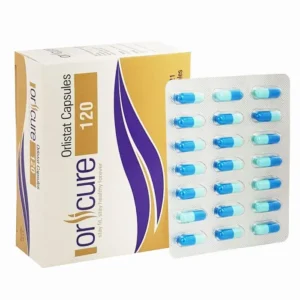
Orlistat 120mg (Orlistat)
Previous product

Zimivir 1000mg (Valacyclovir)
$81.00 $181.00Price range: $81.00 through $181.00
Next product
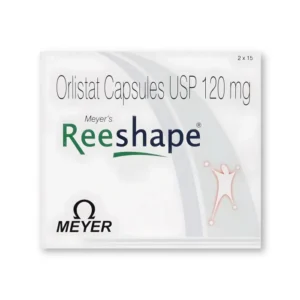
Reeshape 120mg (Orlistat)
$51.00 $120.00Price range: $51.00 through $120.00
$51.00 $135.00Price range: $51.00 through $135.00
In Stock
In Stock
Orlistat 120mg (Orlistat)
| Pack Size | Price | Quantity | Add To Cart | |
|---|---|---|---|---|
| 30 Capsule/s | $51.00 | |||
| 60 Capsule/s | $98.00 | |||
| 90 Capsule/s | $135.00 | |||
| Want to order in bulk / B2B price? Send Inquiry | ||||
×
Sorry!! Out of Stock
Sorry! Orlistat 120mg (Orlistat) is out of stock
Please click below to view other similar medications.
View All Orlistat Products


Offer You Can't Resist
Free Shipping
Enjoy Free Shipping on Orders above AUD304 (USD199)
Estimate Shipping :
12 July - 19 July
30
Last Updated on May 05, 2026

Description
Orlistat 120mg (Orlistat): Uses, Benefits, and FAQs
Orlistat 120mg is one of the medications extensively used to manage weight and is often prescribed in conjunction with weight loss and a diet with fewer calories. Orlistat helps by reducing the absorption of fats from food which makes it an effective aid for people with obesity or excess weight. Being one of the most popular drugs for weight loss, Orlistat has attracted a great deal of recognition for its efficacy for weight loss as well as for increasing overall health.
This blog offers a thorough description of Orlistat 120mg and its benefits, as well as how it works, the potential for adverse effects and solutions to commonly requested questions.
What is Orlistat 120mg?
Orlistat is a drug for treating obesity that acts by stopping the absorption of fats within the intestinal tract. Its 120 mg dosage is the standard strength prescribed by doctors; however, lower dosages are readily available on the market (OTC) such as Orlistat with 60mg and are offered under the brand label Alli.
Orlistat acts by reducing the enzyme known as pancreatic lipase. It is the enzyme responsible in breaking down fats from food. In the absence of this enzyme’s activity about 30 percent of fats consumed The food isn’t taken in by the body, but can be excreted into the stool. In the end, Orlistat aids in reducing the total calories consumed from fats and helps in losing weight.
How Does Orlistat 120mg (Orlistat) Work?
Orlistat 120mg acts locally within the digestive system. When you eat food, Orlistat enters the digestive tract, and it binds to insulin-like pancreatic lipase. The binding blocks the enzyme from reducing fat molecules to smaller and more absorbable elements. Thus, the fats that are not digested get eliminated through stool, instead of being absorbed by the human body.
As fat is a calorie-rich food item, the inability to absorb it may result in a significant reduction in calorie intake. This is a factor in weight reduction. It does not alter the absorption of carbs and proteins; it won’t hinder your body’s capacity to digest different nutritional substances.
Key Uses of Orlistat 120mg (Orlistat)
Orlistat 120mg is used primarily to aid in weight loss. It may be prescribed for those who:
- Overweight (having a BMI of 25 or greater) and require assistance for the process of losing weight.
- Obese (having a BMI of 30 or greater) and require aid in reducing body weight in the long-term plan to control diseases like Type 2 diabetes and high blood pressure, as well as heart diseases.
Orlistat is not an individual solution, but should be used in conjunction with:
- A low-calorie, low-fat diet: Orlistat performs best when the intake of fat is kept to around 30% of the total calories consumed daily.
- Regular physical activity: Fitness is crucial to maintain weight over time.
Weight Loss and Weight Management
Orlistat is prescribed most often for weight loss in people. It aids in decreasing the quantity of calories taken through fats in food consumed. The combination of a balanced diet with Orlistat helps to promote the gradual loss of weight with the course of.
Reducing the Risk of Obesity-Related Conditions
If you are obese or overweight, Orlistat can be a beneficial component of a diet program that aims to reduce the chance of developing conditions such as:
- Heart disease
- Type 2 diabetes
- Hypertension
- Sleep apnea
Benefits of Orlistat 120mg (Orlistat)
The main benefit of orlistat 120mg lies in its ability to help lose weight, however there are a variety of other advantages for using this medicine as a part of a total program for weight loss.
- Effective Weight Loss: Research has shown that Orlistat helps people lose about 5-10% of their body weight in a span of 6 months if they combine it with a balanced fitness program and diet.
- Prevention of Weight Regain: Orlistat is proven to reduce the risk of gaining weight following weight loss. especially when it is used for a long time.
- Improved Health Markers: In addition to losing weight, Orlistat may help lower blood pressure, boost cholesterol levels, and decrease blood sugar levels. This can dramatically reduce the chance of developing diseases such as cardiovascular disease and diabetes.
- Minimal Systemic Effects: Orlistat acts locally within the stomach, which means it is not associated with any systemic consequences, as opposed to other medications for weight loss, which affect all body organs.
- Long-Term Solution: Orlistat is commonly employed as a long-term solution to manage weight, since it aids in maintaining the loss of weight over long periods.
How to Take Orlistat 120mg (Orlistat)
Orlistat 120mg is typically consumed 3 times per each day in conjunction with meals that contain fat. The dosage should be:
- For up to one hour following the meal.
- One capsule for each meal, which contains fat.
- Limit yourself to 3 dosages a day.
It is not recommended to take Orlistat when you don’t eat or when your food contains zero fat. If you do not take your dose, make sure to take it during the next scheduled meal. Do not take more dosages.
It’s essential to follow a moderate, healthy diet that is low in fat. Ingesting too much fat when using Orlistat may cause stomach discomfort because the undigested fat is absorbed by the stool.
Potential Side Effects of Orlistat 120mg (Orlistat)
Orlistat may cause adverse effects, especially when taken with a high-fat diet. Most common adverse effects of the drug are digestive in nature and result from the fats that are not digested and are eliminated from your body. This can lead to:
- Oily or fatty stools
- Frequent or urgent bowel movements
- Abdominal discomfort, pain, or cramping
- Gas with oily discharge
- Diarrhea
They can be prevented by a reduced-fat diet since it lowers the volume of unabsorbed fat inside the gastrointestinal tract.
Rarely, users could suffer from:
- Liver problems: Signs of a problem include an increase in the color of your skin and eyes (jaundice), dark color of urine, or fatigue.
- Kidney stones: There are instances of kidney stones that have been linked to Orlistat, specifically in high doses and for longer periods.
- Allergic reactions: The appearance of skin rashes, swelling, and breathing difficulties is not common; however, they require medical attention immediately.
Drug Interactions
Orlistat is a drug that interacts with some drugs and supplements, altering their effectiveness or absorption:
- Blood-thinning medications (e.g., warfarin): Orlistat could interfere with the metabolism of the fat-soluble vitamins (A, D, E, and K), which can alter the efficiency of drugs such as warfarin. It’s crucial to track the international normalized ratio (INR) levels.
- Antidiabetic medications: Orlistat can alter blood sugar levels; consequently, people who are using insulin or oral diabetes medications should monitor their blood sugar carefully.
- Other medications: Orlistat can affect the absorption of some drugs, such as thyroid medication and cyclosporine, as well as certain HIV medications.
Consult your physician about any other medication or supplements you take prior to starting Orlistat.
FAQs About Orlistat 120mg (Orlistat)
- Can I take Orlistat 120mg if I have a health condition?
Orlistat isn’t recommended in patients with certain health conditions that cause chronic malabsorption syndrome and the condition cholestasis (a disorder in which bile flow decreases), as well as chronic liver conditions. You should consult your physician for any existing health concerns. - How long does it take for Orlistat to work?
Orlistat usually begins showing the effects after a couple of weeks of starting treatment. Loss of weight will occur gradually; however, most individuals notice results within 2 months of regular usage. - Can Orlistat cause vitamin deficiencies?
Because Orlistat lowers absorption for the fat-soluble vitamins (A, D, E and K) It is important to use a vitamin supplement during the course of Orlistat and preferably prior to the time you go to bed, so that you can ensure nutrition. - Is Orlistat effective without exercise?
Although Orlistat may aid in weight loss by itself however, the effects are more noticeable when paired with a low-calorie, healthy or low fat diet, as well as routine exercise. Training can help you lose weight and boost general health. - Can I take Orlistat while pregnant or breastfeeding?
Orlistat shouldn’t be taken in pregnancy since weight loss isn’t recommended during this period. If you’re breastfeeding, it is important to discuss the potential risks with your health doctor before using Orlistat.
Conclusion
Orlistat 120mg is an effective medicine for losing weight, aiding people in managing obesity and other health problems associated with overweight through reducing the consumption of calories from food. It’s an effective method when paired with a well-balanced eating plan, low-fat and routine exercises. But, as with all medications that are prescribed, there are the possibility of negative effects. Its treatment should be carefully monitored by a doctor especially for people with existing health issues or who are using other medicines.
Related products






Recently Viewed

Reviews
There are no reviews yet.