

Oframax 500mg Injection (Ceftriaxone)
Previous product
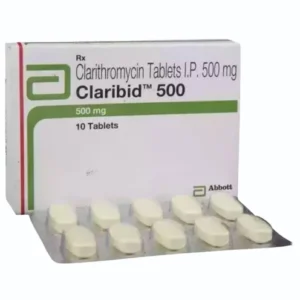
Claribid 500mg (Clarithromycin)
A$175.50 A$406.25Price range: A$175.50 through A$406.25
Next product

Oframax 1gm Injection (Ceftriaxone)
A$23.00 A$78.00Price range: A$23.00 through A$78.00
A$17.00 A$58.00Price range: A$17.00 through A$58.00
In Stock
In Stock
Oframax 500mg Injection (Ceftriaxone)
| Pack Size | Price | Quantity | Add To Cart | |
|---|---|---|---|---|
| 3 Injection/s | A$17.00 | |||
| 6 Injection/s | A$31.00 | |||
| 12 Injection/s | A$58.00 | |||
| Want to order in bulk / B2B price? Send Inquiry | ||||
×
Sorry!! Out of Stock
Sorry! Oframax 500mg Injection (Ceftriaxone) is out of stock
Please click below to view other similar medications.
View All Ceftriaxone Products

Offer You Can't Resist
Free Shipping
Enjoy Free Shipping on Orders above AUD304 (USD199)
Estimate Delivery :
20 September - 27 September
47
Very easy to order
I have been struggling with staying focused and maintaining productivity for years, particularly during long workdays. After researching various options, I decided to give Modalert 100 MG a try, and I can confidently say it has been a game-changer for me.
 Australia
February 11, 2025
Response from Modalertaustralia
Thank you for sharing your experience! We’re glad to hear Modalert 100 MG has helped support your focus and productivity during long days. Feedback like this means a lot to us and to others considering their options. Please continue to use the medication as directed, and feel free to reach out if you ever need assistance.
Last Updated on May 02, 2026

Description
Introduction
Oframax 500mg Injection contains Ceftriaxone, a powerful antibiotic used to treat a wide range of bacterial infections. It belongs to the class of third-generation cephalosporin antibiotics, known for their broad-spectrum activity against both gram-positive and gram-negative bacteria.
This medication is commonly used in hospitals, clinics, and sometimes at home under medical supervision. It is especially useful in treating serious infections where oral antibiotics may not be effective.
In this guide, we will explore the uses, mechanism of action, dosage, side effects, precautions, and frequently asked questions about Oframax 500mg Injection.
What is Oframax 500mg Injection?
Oframax 500mg Injection is an injectable antibiotic containing Ceftriaxone 500mg as its active ingredient. It works by interfering with the formation of the bacterial cell wall, ultimately killing the bacteria.
It is administered either:
- Intravenously (IV) – directly into a vein
- Intramuscularly (IM) – into a muscle
This injection is typically prescribed for moderate to severe infections where rapid and effective treatment is required.
Uses of Oframax 500mg Injection
Oframax 500mg Injection is used to treat various bacterial infections, including:
1. Respiratory Tract Infections
- Pneumonia
- Bronchitis
- Lung infections
2. Urinary Tract Infections (UTIs)
- Simple and complicated UTIs
3. Skin and Soft Tissue Infections
- Bacterial infections affecting skin layers and tissues
4. Sexually Transmitted Infections
- Gonorrhea (commonly treated with Ceftriaxone)
5. Meningitis
- Serious infection of the brain and spinal cord membranes
6. Bacterial Endocarditis
- Infection of heart lining and valves
7. Sepsis
- Life-threatening infection that spreads throughout the body
8. Bone and Joint Infections
- Osteomyelitis
- Septic arthritis
9. Intra-abdominal Infections
- Peritonitis and other abdominal infections
How Does Oframax 500mg Injection Work?
Ceftriaxone works by inhibiting bacterial cell wall synthesis. Bacteria need a strong cell wall to survive and multiply. When Ceftriaxone disrupts this process:
- The bacterial cell wall weakens
- Bacteria lose structural integrity
- Cells rupture and die
Because of this mechanism, Ceftriaxone is highly effective against a broad range of bacteria and is widely used in treating infections across multiple body systems.
Dosage of Oframax 500mg Injection
The dosage depends on several factors:
- Type and severity of infection
- Age and weight of the patient
- Kidney and liver function
Common Dosage Guidelines
Adults:
- Mild to moderate infections: 500mg to 2g per day
- Severe infections: Up to 4g per day
Children:
- Typically 50–80 mg/kg/day, divided into doses
Meningitis:
- Up to 100 mg/kg/day (maximum 4g daily)
Administration:
- Given by a healthcare professional
- Administered slowly to avoid complications
- Duration depends on infection type
⚠️ Always follow your doctor’s prescription. Do not self-administer.
Side Effects of Oframax 500mg Injection
Like all medications, Oframax may cause side effects.
Common Side Effects:
- Diarrhea
- Nausea and vomiting
- Pain, redness, or swelling at injection site
- Rash or mild allergic reactions
- Fever
Serious Side Effects:
- Severe allergic reaction (Anaphylaxis)
- Swelling of face, lips, or throat
- Difficulty breathing
- Liver issues
- Elevated liver enzymes
- Kidney problems
- Reduced urine output
- Swelling in legs
- Blood disorders
- Low white blood cells or platelets
- Clostridium difficile-associated diarrhea
- Severe intestinal infection
⚠️ Seek immediate medical attention if serious side effects occur.
Precautions Before Using Oframax 500mg Injection
Before starting treatment, inform your doctor if you:
- Are allergic to cephalosporin antibiotics (e.g., cefuroxime, cephalexin)
- Have kidney or liver disease
- Have a history of gastrointestinal disorders (e.g., colitis)
- Are pregnant or breastfeeding
- Are taking other medications (especially blood thinners or antibiotics)
Caution is required in patients with a history of drug allergies or digestive conditions.
Drug Interactions
Oframax may interact with:
- Blood thinners (e.g., warfarin) – increased bleeding risk
- Other antibiotics – may alter effectiveness
- Calcium-containing solutions – risk of precipitation (especially in IV use)
- Kidney-affecting drugs – increased risk of toxicity
Always inform your doctor about all medicines and supplements you are using.
Frequently Asked Questions (FAQs)
Q1: How is Oframax 500mg Injection administered?
It is administered by a healthcare professional through IV or IM injection depending on the condition.
Q2: Can it treat viral infections like the flu?
No, Oframax is only effective against bacterial infections, not viral infections such as flu or common cold.
Q3: What happens if a dose is missed?
Since it is given in a clinical setting, missed doses are rare. Your healthcare provider will manage the schedule.
Q4: Can I use it if I am allergic to penicillin?
Some people allergic to penicillin may also react to cephalosporins. Inform your doctor before use.
Q5: Is it safe during pregnancy?
Ceftriaxone is generally considered safe but should only be used if clearly needed and prescribed by a doctor.
Conclusion
Oframax 500mg Injection (Ceftriaxone) is a highly effective, broad-spectrum antibiotic used to treat a wide variety of bacterial infections. From respiratory and urinary infections to severe conditions like meningitis and sepsis, it plays a crucial role in modern medical treatment.
While it is generally safe and well tolerated, it must always be used under medical supervision to ensure proper dosage and to minimize the risk of side effects.
Following your doctor’s instructions and reporting any unusual symptoms promptly will help ensure safe and effective treatment.
Related products










Recently Viewed



Reviews
There are no reviews yet.