
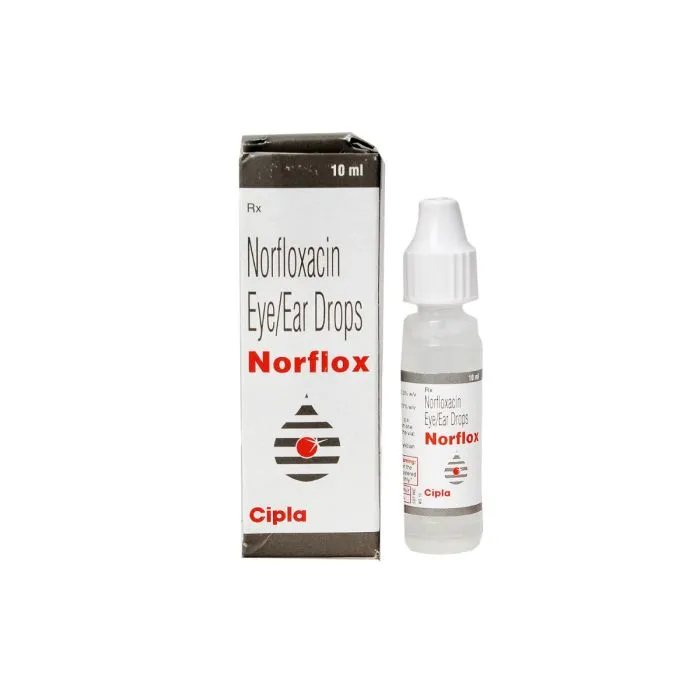
Norflox Eye Drop (Norfloxacin)
Previous product
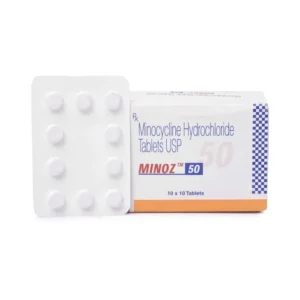
Minoz 50mg (Minocycline)
$14.67 $45.78Price range: $14.67 through $45.78
Next product

Novamox Syrup (Amoxicillin)
$5.00 $20.00Price range: $5.00 through $20.00
$1.47 $7.57Price range: $1.47 through $7.57
In Stock
In Stock
Norflox Eye Drop (Norfloxacin)
| Pack Size | Price | Quantity | Add To Cart | |
|---|---|---|---|---|
| 1 Eye Drop | $1.47 | |||
| 3 Eye Drop/s | $4.37 | |||
| 6 Eye Drop/s | $7.57 | |||
| Want to order in bulk / B2B price? Send Inquiry | ||||
×
Sorry!! Out of Stock
Sorry! Norflox Eye Drop (Norfloxacin) is out of stock
Please click below to view other similar medications.
View All Norfloxacin Products

Offer You Can't Resist
Free Shipping
Enjoy Free Shipping on Orders above AUD304 (USD199)
Estimate Shipping :
20 June - 27 June
34
Last Updated on April 30, 2026

Description
Norflox Eye Drops (Norfloxacin): A Comprehensive Overview
Norflox Eye Drops, comprised of the active component Norfloxacin, is an antibiotic that is used to treat various types of eye infections caused by bacteria. Norfloxacin belongs to the fluoroquinolone class of antibiotics and is effective against a wide variety of gram-negative and gram-positive bacteria. By inhibiting bacterial DNA production, Norfloxacin helps stop the growth and spread of bacteria, thereby treating eye conditions effectively.
In this post, we’ll look at the mechanism of action, uses, dosage, effects on the body, as well as other important aspects of Norflox Eye Drops.
1. What is Norflox Eye Drops (Norfloxacin)?
Norfloxacin is an antibiotic that belongs to the fluoroquinolone family. It is mainly used for treating bacterial infections by blocking bacterial DNA production, thereby stopping bacterial growth and spread. Norflox Eye Drops are specially formulated for treating ocular diseases.
The eye drop formulation allows direct application to the affected area, ensuring the medicine acts quickly at the site of infection. It provides relief from symptoms such as inflammation, redness, and discharge. Norflox Eye Drops are often used to treat conditions like conjunctivitis, keratitis, corneal ulcers, and other eye infections.
2. How Do Norflox Eye Drops Work?
Norfloxacin, the active ingredient in Norflox Eye Drops, works by inhibiting bacterial DNA replication. It blocks the activity of two essential enzymes—DNA gyrase and topoisomerase IV—which are crucial for bacterial DNA replication and transcription.
Without these enzymes, bacteria cannot reproduce, which slows their growth and eventually leads to their death. As a result, the infection is controlled and eliminated, reducing symptoms such as swelling, pain, and discharge from the eye.
3. Primary Uses of Norflox Eye Drops
Norflox Eye Drops are typically prescribed to treat various bacterial eye infections, including:
a. Conjunctivitis (Pink Eye)
• Bacterial conjunctivitis is an infection of the conjunctiva (the membrane covering the white part of the eye). Symptoms include redness, itching, discharge (yellow or green), and tearing. Norflox Eye Drops help treat the infection and reduce symptoms.
b. Keratitis
• Keratitis is inflammation of the cornea, which may be caused by bacteria, viruses, or fungi. In bacterial cases, Norflox Eye Drops help treat the infection and reduce the risk of corneal damage or vision impairment.
c. Corneal Ulcers
• A corneal ulcer is an open sore on the cornea, often caused by bacterial infection. It is a serious condition that may lead to vision loss if untreated. Norflox Eye Drops help heal the ulcer and prevent complications.
d. Blepharitis (Eyelid Infection)
• Blepharitis refers to inflammation of the eyelid margins, often due to bacterial overgrowth or blocked oil glands. Norflox Eye Drops may be prescribed to manage bacterial involvement.
e. Post-Surgical Infections
• After eye surgeries such as cataract surgery, there is a risk of bacterial infection. Norflox Eye Drops are used to prevent or treat these infections.
4. Dosage and Administration
The dosage of Norflox Eye Drops depends on the severity of the infection and your doctor’s recommendation.
Standard Dosage for Eye Infections:
• For bacterial conjunctivitis and similar infections:
o Initial dose: 1–2 drops in the affected eye(s) every 2 hours for the first 2 days.
o After 2 days: 1–2 drops every 4–6 hours until treatment completion.
• For severe infections (e.g., keratitis or corneal ulcers):
o More frequent dosing may be required as advised by a doctor.
Instructions for Use:
• Wash your hands thoroughly before applying the drops.
• Tilt your head back and gently pull down the lower eyelid to create a small pocket.
• Instill the prescribed number of drops into the lower eyelid pocket.
• Close your eyes for a few seconds and gently press the inner corner (near the nose) to prevent drainage.
• Wash your hands again after application.
Note:
• Treatment duration typically ranges from 5 to 14 days depending on the infection.
• Complete the full course even if symptoms improve earlier to prevent recurrence.
5. Side Effects of Norflox Eye Drops
Like all medications, Norflox Eye Drops may cause side effects, although not everyone experiences them.
Common Side Effects:
• Mild eye irritation or burning sensation after application
• Redness or swelling of the eye or eyelid
• Dryness or discomfort in the eye
• Watery eyes
• Temporary blurred vision
• Increased sensitivity to light (photophobia)
Serious Side Effects:
• Severe allergic reactions: swelling (face, lips, throat), rash, breathing difficulty
• Persistent eye irritation or worsening condition
Immediate medical attention is required if serious side effects occur.
6. Precautions and Warnings
Before using Norflox Eye Drops, consider the following precautions:
• Allergy: Avoid use if allergic to fluoroquinolone antibiotics.
• Pregnancy and Breastfeeding: Consult your doctor before use.
• Contact Lenses: Avoid wearing contact lenses during treatment unless advised otherwise, as preservatives may damage lenses.
7. Drug Interactions with Norflox Eye Drops
Since Norflox Eye Drops are applied topically, systemic drug interactions are minimal. However, inform your doctor if you are using:
• Oral fluoroquinolone antibiotics
• Other eye medications
This helps prevent potential interactions.
8. Storage and Handling
To maintain effectiveness:
• Store at room temperature (20°C to 25°C)
• Keep the bottle tightly closed
• Keep out of reach of children
• Do not use if the solution changes color or becomes cloudy
• Do not use after the expiration date
9. Conclusion
Norflox Eye Drops (Norfloxacin) provide an effective treatment for various bacterial eye infections, including conjunctivitis, keratitis, and corneal ulcers. By delivering the antibiotic directly to the site of infection, it ensures faster relief from symptoms such as redness, irritation, and discharge.
Related products



Recently Viewed


Reviews
There are no reviews yet.