

Nizral 15gm Cream (Ketoconazole)
Previous product
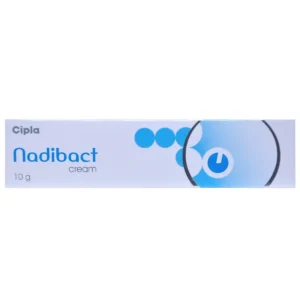
Nadibact Cream (Nadifloxacin)
$4.00 $20.00Price range: $4.00 through $20.00
Next product
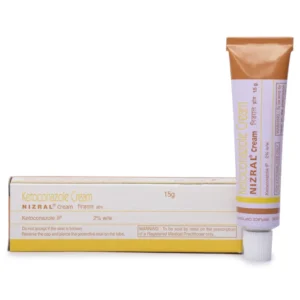
Nizral 30gm Cream (Ketoconazole)
$10.00 $44.00Price range: $10.00 through $44.00
$6.00 $33.00Price range: $6.00 through $33.00
Out of Stock
Out of Stock
Nizral 15gm Cream (Ketoconazole)
| Pack Size | Price | Quantity | Add To Cart | |
|---|---|---|---|---|
| 1 Cream | $6.00 | |||
| 3 Cream/s | $17.00 | |||
| 6 Cream/s | $33.00 | |||
| Want to order in bulk / B2B price? Send Inquiry | ||||
×
Sorry!! Out of Stock
Sorry! Nizral 15gm Cream (Ketoconazole) is out of stock
Please click below to view other similar medications.
View All Ketoconazole Products
Offer You Can't Resist
Free Shipping
Enjoy Free Shipping on Orders above AUD304 (USD199)
45
Excellent service overall
Smooth checkout, quick dispatch, and secure delivery. Excellent service overall
 Australia
October 1, 2026
Last Updated on April 30, 2026

Description
Introduction
Nizral 15gm Cream is a cream that has ketoconazole as its active ingredient. It is an antifungal drug that is used to treat fungal skin diseases. Ketoconazole is part of the azole class of antifungal medications and works by blocking the development of fungi. Nizral cream can be used to treat conditions that are caused by fungal infection on the skin, including Ringworm, athlete’s foot, jock itch, and seborrheic skin rashes.
Alongside its antifungal qualities, ketoconazole is also known for its anti-inflammatory Effects, which can lessen itching, redness, and itchiness that are associated with symptoms of fungal skin infections.
Mechanism of Action
Ketoconazole acts by affecting the cell wall of fungal organisms. In particular, it blocks the enzyme lanosterol 14α-demethylase that is essential in the production of Ergosterol which is an important element in the membrane of fungal cells. If there is no ergosterol in the cell membrane of fungal cells, it gets weakened and leaks, leading to cell damage and the death of the cell.
In order to disrupt the fungal cell membrane, ketoconazole stops the development and growth of fungi. It also helps in clearing the disease. Its mechanism allows ketoconazole to be efficient against a variety of fungi. This includes Dermatophytes (fungi that cause skin inflammation) as well as yeasts (such as Candida species), in addition to other varieties of fungi, which may infect the skin.
Indications and Uses
Nizral cream (Ketoconazole) can be used topically to treat a variety of fungal skin diseases. The most frequent symptoms are:
- Tinea Infections (Ringworm)
Ringworm is a fungal disease that affects the skin in various regions of your body, such as the feet, scalp, and groin region. It’s caused by Dermatophytes (a kind of fungus). Nizral cream can be effective for the treatment of tinea corporis (ringworm on the body) and tinea cruris (jock itching) as well as tinea pedis (athlete’s feet). - Seborrheic Dermatitis
Seborrheic dermatitis is an ongoing condition of the skin that causes inflammation and leads to red, scaly, and occasionally itchy skin patches, usually on the forehead, scalp, or chest area. It’s usually linked with the overgrowth of yeast, known as Malassezia, and Nizral cream can be efficient in reducing symptoms due to its antifungal as well as anti-inflammatory qualities. - Candidiasis (Yeast Infections)
The drug is also used for treating fungal infections that are caused by Candida species, which includes Candida albicans, which can trigger skin irritations. The infections typically manifest on warm and moist parts of the body, including the underarms, the groin, and skin folds. Nizral cream can help in reducing the growth of yeast on these parts. - Tinea Versicolor
It is a mild fungal skin infection that causes skin patches to become lighter or darker in hue. The most common cause is yeast Malassezia furfur. Nizral cream may help in clearing the infection by limiting the growth of yeast. - Other Fungal Skin Infections
Nizral cream can be effective in the treatment of a range of different yeast and dermatophyte infections that affect the skin. It offers the broadest spectrum of antifungal properties.
Dosage and Administration
The Nizral 15g cream can be applied topically on the areas affected by infection. The dosage, frequency, and amount of application are determined by the severity and type of the condition.
- Tinea Infections (Ringworm, Athlete’s Foot, Jock Itch): Spread a thin layer of Nizral cream on the area of concern at least twice per day, depending on the extent of the inflammation. The typical treatment duration is two to four weeks. However, the duration may depend on the person’s reaction.
- Seborrheic Dermatitis: Apply the cream either once or twice a day onto the areas that are affected on the skin. Treatment for seborrheic skin dermatitis usually lasts two to four weeks. However, treatment for maintenance might be required in certain situations.
- Candidiasis (Yeast Infections): Apply the cream on the affected area daily, either once or twice. The typical treatment time is between 2 and 4 weeks, according to the extent of the condition.
- Tinea Versicolor: Apply the Nizral cream on the affected area at least twice a day, generally over two to four weeks. It is essential to follow throughout the course of treatment to avoid relapse.
Application Tips:
- Dry and clean the affected area prior to using the treatment.
- Apply a thin layer of the cream to the skin that is affected and lightly rub it in.
- Cleanse your hands after applying the cream. This will prevent the spread of the infection to different areas within your body or to other members of your family.
- Do not apply the cream on the skin that is broken or itchy unless advised by your health care physician.
Side Effects
Although Nizral cream is generally tolerated well, certain individuals might experience adverse reactions. The majority of these are small and not severe, such as:
- Common Side Effects:
- Skin Irritation: The sensation of itching, redness, or burning sensations can be experienced in the area of application, especially for those who are sensitive.
- Dryness or Peeling: There are some who suffer from dryness or peeling on the skin because of the treatment.
- Stinging: The sensation of stinging may occur, especially if the cream is sprayed on broken or damaged skin.
- Uncommon Side Effects:
- Allergic Reactions: In rare instances, patients may experience more serious allergic reactions, like hives, swelling of the throat, or face trouble breathing, or a skin rash. When any one of the above signs is present, medical attention is needed.
- Contact Dermatitis: In some cases, long-term application of the cream can result in an allergic reaction to the skin that can result in itching, redness, or the formation of blisters.
- Serious Side Effects:
- The risk of serious adverse side effects is low, especially when using the formulation for topical use. If the drug is applied in excess or applied to damaged skin, it is possible for systemic absorption that may result in more serious adverse effects associated with ketoconazole. This could include liver toxicities. It’s not unusual for an application to the skin.
Precautions and Contraindications
- Allergy to Ketoconazole: Nizral cream is not to be applied if you have an allergy to ketoconazole or any other ingredient that is in the cream. An allergic reaction can manifest as a rash or swelling, breathing difficulties, or a severe skin rash.
- Pregnancy and Breastfeeding:
- Pregnancy: The ketoconazole cream has been classed as category C in pregnancy. This means that it’s recommended only in cases where the possible positive effects outweigh the potential risk for the foetus. But the use of topical ketoconazole does not have significant absorption in comparison with ketoconazole taken orally, which makes it safe to use for short periods of time.
- Breastfeeding: Ketoconazole is excreted only in very small quantities in breast milk and therefore should be taken with care by nursing mothers. Always seek advice from a medical doctor before taking any medication during nursing.
- Broken or Irritated Skin:
- Nizral cream should be applied with caution on irritated, broken, or exposed skin. When the lotion is applied over large regions of the body, it is essential to speak with a physician to confirm there’s no absorption in the system.
- Avoid Contact with Eyes:
- Nizral cream shouldn’t be used on the eyes. If the cream comes into contact with your eyes, clean them with clean water. If irritation persists, seek medical advice.
- Application to Large Areas:
- Utilizing a large area of ketoconazole cream can increase the chance of absorption into the bloodstream. This is the main problem for oral formulations. It is advised to apply the cream according to directions and to avoid spreading it over vast areas, unless it is directed by a medical professional.
Drug Interactions
The topical ketoconazole is generally absorbed mildly. Therefore, the likelihood of interactions with drugs is minimal. However, it’s recommended to notify your doctor about all medications you’re taking, even if they are not prescription drugs, since some topical medicines could have effects that are additive when used together.
Conclusion
Nizral 15g Cream (Ketoconazole) is an efficient and well-known topical antifungal for various fungal skin diseases, including seborrheic dermatitis, tinea candidiasis, and tinea versicolor. Ketoconazole inhibits fungal cell membrane synthesis, which in turn controls the development and growth of the fungi.
Though generally accepted, it is essential to adhere to the dosage and directions for use to prevent adverse consequences and guarantee efficacy. If you have sensitive skin, it’s recommended to begin treatments with caution and then consult an expert in the field if adverse reactions develop. In general, the Nizral cream provides a simple and safe solution for treating commonly occurring fungal skin issues.
Additional Information
| Manufacturer | Janssen Pharmaceuticals, India |
|---|---|
| Pharmaceutical | Cream |
| Strength | 2% |
| Pack Size | 1 Cream, 3 Cream/s, 6 Cream/s |
Related products

Reviews
There are no reviews yet.