
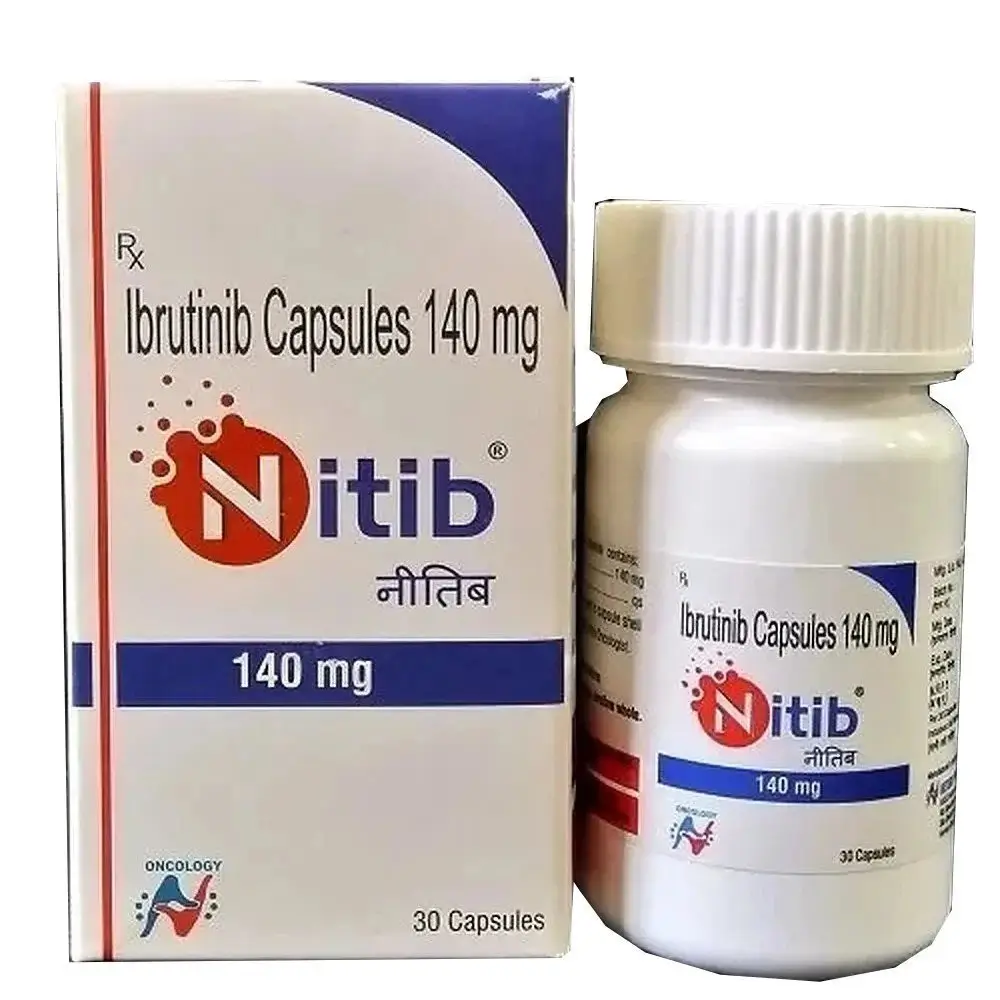
Nitib 140mg (Ibrutinib)
Previous product

Telgard 40mg (Telmisartan)
A$20.00 A$71.00Price range: A$20.00 through A$71.00
Next product

Lamistar 30mg (Lamivudine/Stavudine)
A$50.00 A$120.00Price range: A$50.00 through A$120.00
A$240.00 A$640.00Price range: A$240.00 through A$640.00
In Stock
Hurry, Only 1 left.
Nitib 140mg (Ibrutinib)
| Pack Size | Price | Quantity | Add To Cart | |
|---|---|---|---|---|
| 30 Capsule/s | A$240.00 | |||
| 60 Capsule/s | A$440.00 | |||
| 90 Capsule/s | A$640.00 | |||
| Want to order in bulk / B2B price? Send Inquiry | ||||
×
Sorry!! Out of Stock
Sorry! Nitib 140mg (Ibrutinib) is out of stock
Please click below to view other similar medications.
View All Ibrutinib Products

Offer You Can't Resist
Free Shipping
Enjoy Free Shipping on Orders above AUD304 (USD199)
Estimate Delivery :
11 September - 18 September
44
Secure Packaging
My order was packaged carefully and arrived in good condition. The whole process was handled professionally, and communication was excellent. Thank you for the great service
 Australia
August 18, 2026
Last Updated on July 17, 2026

Description
What is Nitib 140mg (Ibrutinib)?
Nitib 140mg contains Ibrutinib 140mg, a prescription targeted cancer medicine used to treat certain types of blood cancers and blood disorders. Ibrutinib belongs to a class of medicines known as Bruton’s Tyrosine Kinase (BTK) inhibitors, which work by blocking signals that help abnormal B cells grow and survive.
Nitib 140mg is commonly prescribed for adults with specific hematologic malignancies, including:
- Chronic Lymphocytic Leukemia (CLL)
- Small Lymphocytic Lymphoma (SLL)
- Mantle Cell Lymphoma (MCL)
- Waldenström Macroglobulinemia (WM)
- Marginal Zone Lymphoma (MZL) in certain patients
- Chronic Graft-versus-Host Disease (cGVHD) after failure of one or more lines of systemic therapy (where approved)
Because Nitib 140mg is a targeted therapy, it acts more specifically on cancer cells than traditional chemotherapy. Treatment should always be supervised by an experienced oncologist or hematologist.
How Nitib 140mg Works
The active ingredient Ibrutinib blocks Bruton’s Tyrosine Kinase (BTK), an important enzyme involved in the growth and survival of B lymphocytes.
In many blood cancers, BTK signaling is abnormally active, allowing cancer cells to multiply and avoid normal cell death. By inhibiting BTK, Ibrutinib helps:
- Slow the growth of cancer cells
- Reduce the spread of abnormal B cells
- Promote cancer cell death
- Improve disease control
- Reduce lymph node enlargement in many patients
Unlike conventional chemotherapy, Ibrutinib specifically targets cancer-related pathways while preserving many healthy cells.
Uses of Nitib 140mg
Nitib 140mg may be prescribed for:
- Chronic Lymphocytic Leukemia (CLL)
- Small Lymphocytic Lymphoma (SLL)
- Mantle Cell Lymphoma (MCL)
- Waldenström Macroglobulinemia (WM)
- Marginal Zone Lymphoma (MZL)
- Chronic Graft-versus-Host Disease (cGVHD) in eligible patients
The exact indication depends on your diagnosis, previous treatments, and your doctor’s clinical judgment.
Benefits of Nitib 140mg
When prescribed appropriately, Nitib 140mg may provide several benefits:
- Targeted treatment for certain blood cancers
- Helps slow disease progression
- May reduce enlarged lymph nodes
- Helps control abnormal B-cell growth
- Oral capsule for convenient administration
- Can often be taken at home
- May improve progression-free survival in eligible patients
- Offers an alternative to traditional chemotherapy for many patients
Recommended Dosage
Always take Nitib 140mg exactly as prescribed by your oncologist.
The dosage depends on:
- Type of cancer
- Disease stage
- Previous treatments
- Liver function
- Other medications
- Overall health
Ibrutinib is often prescribed as a total daily dose made up of one or more 140mg capsules, depending on the condition being treated. Never adjust the dose yourself.
General recommendations include:
- Take the medicine once daily at approximately the same time.
- Swallow capsules whole with water.
- Do not crush, chew, or open the capsules.
- Continue treatment unless your doctor advises otherwise.
How to Take Nitib 140mg
For best results:
- Take the capsule at the same time every day.
- Swallow it whole with a glass of water.
- It may be taken with or without food.
- Maintain adequate hydration during treatment.
- Follow your doctor’s monitoring schedule, including regular blood tests.
Do not stop taking Nitib 140mg without consulting your healthcare provider.
Who Can Use Nitib 140mg?
Nitib 140mg may be prescribed for adults diagnosed with eligible blood cancers or blood disorders when recommended by a specialist.
Your healthcare provider will evaluate:
- Your diagnosis
- Blood test results
- Overall health
- Liver function
- Other medications
- Risk of complications
Who Should Not Use Nitib 140mg?
Do not use Nitib 140mg if you:
- Are allergic to Ibrutinib or any ingredient in the medicine
- Have been advised by your doctor not to use BTK inhibitors
- Are taking medicines that strongly interact with Ibrutinib without medical supervision
Inform your doctor if you have:
- Liver disease
- Heart disease
- High blood pressure
- Bleeding disorders
- Recent surgery
- Active infections
- Kidney problems
- History of irregular heartbeat
Women should avoid becoming pregnant during treatment, and effective contraception may be recommended for both women and men with partners who may become pregnant during therapy and for a period after treatment, according to medical advice.
Possible Side Effects
Like all medicines, Nitib 140mg may cause side effects.
Common side effects include:
- Diarrhea
- Fatigue
- Nausea
- Muscle pain
- Joint pain
- Rash
- Bruising
- Mouth sores
- Mild bleeding
- Decreased appetite
Many side effects can be managed with supportive care and regular monitoring.
Serious Side Effects
Seek immediate medical attention if you experience:
- Severe bleeding
- Fever or signs of infection
- Chest pain
- Irregular heartbeat
- Severe shortness of breath
- Sudden weakness or numbness
- Severe allergic reaction
- Persistent severe diarrhea
- Unusual bruising or bleeding
These conditions require urgent medical evaluation.
Drug Interactions
Nitib 140mg may interact with:
- Strong CYP3A inhibitors
- Strong CYP3A inducers
- Blood thinners
- Antiplatelet medicines
- Certain antifungal medicines
- Certain antibiotics
- HIV medications
- Some seizure medicines
Always tell your healthcare provider about:
- Prescription medicines
- Over-the-counter medicines
- Herbal supplements
- Vitamins
Alcohol Interaction
There is no specific prohibition against moderate alcohol use with Ibrutinib, but alcohol may:
- Increase stomach irritation
- Worsen dehydration
- Increase the risk of bleeding in some patients
Discuss alcohol consumption with your oncologist.
Food Interaction
Nitib 140mg may be taken with or without food.
However:
- Avoid grapefruit, grapefruit juice, and Seville oranges, as they may increase Ibrutinib levels in the body and raise the risk of side effects.
- Maintain a balanced diet and adequate fluid intake during treatment.
Precautions Before Using Nitib 140mg
Before starting treatment, inform your doctor if you have:
- Heart disease
- High blood pressure
- Liver disease
- Kidney disease
- Bleeding disorders
- Active infection
- Recent surgery
- History of atrial fibrillation
Regular monitoring may include:
- Complete blood counts
- Liver function tests
- Blood pressure checks
- Heart rhythm evaluation
- Assessment for signs of infection or bleeding
Storage Instructions
Store Nitib 140mg properly:
- Keep at room temperature.
- Protect from moisture and direct sunlight.
- Store in the original packaging.
- Keep out of reach of children and pets.
Missed Dose
If you miss a dose:
- Take it as soon as you remember on the same day.
- If it is almost time for your next dose, skip the missed dose.
- Do not take two doses at the same time.
Follow your doctor’s instructions if you are unsure.
Overdose
An overdose of Nitib 140mg may increase the risk of serious adverse effects.
Symptoms may include:
- Severe bleeding
- Dizziness
- Irregular heartbeat
- Severe diarrhea
- Extreme fatigue
Seek emergency medical attention immediately if an overdose is suspected.
Frequently Asked Questions
What is Nitib 140mg used for?
Nitib 140mg is used to treat certain blood cancers, including chronic lymphocytic leukemia, mantle cell lymphoma, Waldenström macroglobulinemia, and other approved B-cell malignancies.
Is Nitib 140mg chemotherapy?
No. Nitib 140mg contains Ibrutinib, which is a targeted therapy (BTK inhibitor) rather than traditional chemotherapy.
How long do I need to take Nitib 140mg?
Treatment duration varies depending on your condition, response to therapy, and your doctor’s recommendations. Some patients continue treatment until disease progression or unacceptable side effects occur.
Can Nitib 140mg cure cancer?
Nitib 140mg helps control certain blood cancers and may significantly slow disease progression, but it is not considered a cure for most patients.
Can I stop taking Nitib 140mg if I feel better?
No. Continue taking the medicine exactly as prescribed unless your oncologist instructs you to stop.
Can I drink grapefruit juice while taking Nitib 140mg?
No. Grapefruit and Seville oranges should be avoided because they can increase Ibrutinib levels and raise the risk of side effects.
Is regular blood testing necessary during treatment?
Yes. Regular blood tests and medical follow-up are essential to monitor treatment response and detect potential side effects.
Can Nitib 140mg affect the immune system?
Yes. Because it treats B-cell disorders, it may increase the risk of infections. Report fever, chills, or other signs of infection to your healthcare provider promptly.
Conclusion
Nitib 140mg (Ibrutinib) is a targeted BTK inhibitor used to treat several types of blood cancers and B-cell disorders, including chronic lymphocytic leukemia, mantle cell lymphoma, and Waldenström macroglobulinemia. By blocking abnormal cancer cell signaling, it helps slow disease progression and improve treatment outcomes in eligible patients. Because this medicine can cause serious side effects and drug interactions, it should only be used under the close supervision of an experienced healthcare professional. Regular monitoring, adherence to the prescribed dosage, and prompt reporting of unusual symptoms are essential for safe and effective treatment.
Related products
Reviews
There are no reviews yet.