

Nicardia CD 30mg (Nifedipine)
Previous product
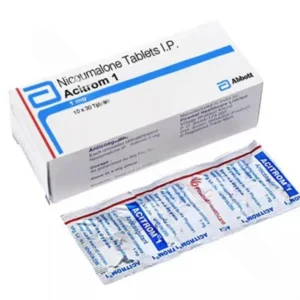
Acitrom 1mg (Nicoumalone)
$17.50 $30.00Price range: $17.50 through $30.00
Next product
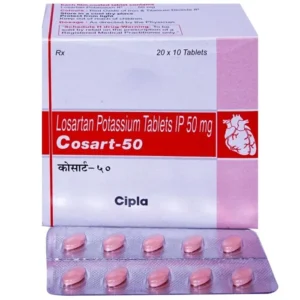
Cosart 50mg (Losartan Potassium)
$19.00 $33.00Price range: $19.00 through $33.00
$19.00 $33.00Price range: $19.00 through $33.00
In Stock
In Stock
Nicardia CD 30mg (Nifedipine)
| Pack Size | Price | Quantity | Add To Cart | |
|---|---|---|---|---|
| 60 Tablet/s | $19.00 | |||
| 90 Tablet/s | $26.00 | |||
| 120 Tablet/s | $33.00 | |||
| Want to order in bulk / B2B price? Send Inquiry | ||||
×
Sorry!! Out of Stock
Sorry! Nicardia CD 30mg (Nifedipine) is out of stock
Please click below to view other similar medications.
View All Nifedipine Products
Offer You Can't Resist
Free Shipping
Enjoy Free Shipping on Orders above AUD304 (USD199)
Estimate Shipping :
07 June - 14 June
21
Last Updated on April 30, 2026

Description
What is Nicardia CD (Nifedipine)?
Nicardia CD is a trademark designation of Nifedipine, which is a medication that’s used primarily for treating hypertension of the blood vessels ( hypertension) and certain kinds of angina (chest pain). Nifedipine is a member of a group of medications that are known as calcium channel blockers. It blocks calcium from entering the smooth muscle cells in the blood vessels and heart, causing relaxation of blood vessels as well as a reduction in heart rate and circulation of blood. It also helps reduce blood pressure and prevent chest pain.
The CD in Nicardia CD is a reference to controlled release. This means the medication is slowly released through the bloodstream as time passes, allowing for long-lasting effects and fewer changes in blood concentrations.
How Nifedipine Works
Nifedipine is a calcium channel antagonist that targets specifically the L-type calcium channel. Blocking these channels, it reduces the flow of calcium ions to smooth muscle cells within the blood vessels’ walls and in the heart. Calcium is essential to muscle contraction. Therefore, it is essential to limit its use. Nifedipine makes the smooth muscles within the arteries dilate and relax. The result is:
- Vasodilation: Larger blood vessels that reduce blood pressure, and make it simpler for the heart muscle to move blood.
- Reduced Heart Workload: In addition, by lowering blood pressure and by reducing the heart’s demand for oxygen, nifedipine can help manage issues such as angina.
- Improved Blood Flow: Increased blood flow to organs as well as tissues. This can ease symptoms such as chest pain and tension.
Indications for Use
Nicardia CD (Nifedipine) is typically prescribed to treat:
- Hypertension (High Blood Pressure):
- Nifedipine can be used to reduce high blood pressure by itself or with other medications that treat hypertension.
- Angina Pectoris:
- It’s often prescribed for the chronically stable and painful angina (chest discomfort due to coronary arterial disease) as well as vasospastic angina (pain due to contractions in the coronary arteries).
- Raynaud’s Phenomenon (Off-label Use):
- Nifedipine is a remedy for Raynaud’s disorder, an illness in which small arteries contract due to stress or cold and reduce the blood flow to the feet and fingers.
- Preterm Labor (Off-label Use):
- In some instances, nifedipine can be used to stop preterm labor by relaxing the muscles of the uterus.
Dosage and Administration
Nicardia CD is usually available in 30 mg or 60 mg controlled-release tablets. The standard dosage for the treatment of hypertension starts at 30 mg every day and can be altered depending on the person’s reaction to the drug. The normal maintenance dose is between 30 and 60 mg each day.
General Dosing Guidelines:
- For Hypertension:
- Starting dose: 30 mg once daily.
- Maintenance dose: 30 or 60 mg, once a day.
- For Angina:
- The initial dose is generally 30 mg each day. The dosage may be altered based on the condition of the patient.
- Raynaud’s Phenomenon:
- Nifedipine is available in doses of 30 to 60 mg daily to treat signs and symptoms.
It is crucial to use the medicine exactly according to instructions. The controlled-release formula is advised to be avoided, chewed, or crushed because it can let out too much medicine at once, causing severe adverse effects.
Side Effects
As with all medicines, Nicardia CD could cause unwanted side effects. A few of the more frequently reported side effects include:
Common Side Effects:
- Headache: An often-repeated complaint, particularly when treatment is beginning.
- Dizziness: Usually, this is because of the decrease in blood pressure, especially when standing up fast.
- Edema (Swelling): Particularly the lower extremities, because it causes vasodilation. This can cause fluid retention.
- Flushing: The sensation of warmth or redness on the skin, mainly in the face, is caused by dilation of blood vessels.
- Nausea: Certain patients might feel uncomfortable at the beginning of the treatment.
Serious Side Effects:
- Severe Hypotension (Low Blood Pressure): When blood pressure is too low, it could create fainting, dizziness, or even shock.
- Tachycardia (Increased Heart Rate): In certain situations, there are times when the heart beats more quickly to offset lower blood pressure. This may result in chest pain or palpitations.
- Heart Failure: Sometimes, nifedipine could increase the severity of heart failure, particularly in those with already existing heart problems.
- Gingival Hyperplasia: Gum tissue overgrowth. Although this condition is frequently seen with calcium channel blockers, it could also be seen with nifedipine.
Allergic Reactions:
While it is rare, allergic reactions may happen, and include rash and itching. Itching can also cause swelling and trouble breathing. The symptoms need urgent medical care.
Contraindications and Precautions
There are some situations in which Nicardia CD should not be utilized or where the need for caution is required:
- Allergy to Nifedipine: Any person who is sensitive to nifedipine or one of its components is advised not to use it.
- Severe Low Blood Pressure: Nifedipine is not recommended for patients who have very high blood pressure (hypotension) because it could further reduce blood pressure.
- Heart Conditions: Be cautious when treating people with specific heart ailments, for example, cardiac insufficiency, as well as sick sinus syndrome, because it could alter the electrical circuit of the heart.
- Pregnancy and Breastfeeding: Nifedipine is recommended for use during pregnancy only in cases of absolute necessity. It is a cross-contamination agent in breast milk, and therefore, you should be careful if you are breastfeeding.
- Liver or Kidney Disease: Nifedipine is to be taken at a moderate dose in patients suffering from kidney or liver problems because these ailments may alter the metabolic process and eliminate the medication.
Drug Interactions
Nifedipine can be a trigger for interacting with many different medications. This can cause side effects to increase or decrease the efficacy of the medication. Important interactions between drugs include:
- Beta-Blockers: Combining nifedipine in combination with beta-blockers (e.g., atenolol, metoprolol) may result in an excessively low heart rate and blood pressure, which can cause dizziness, the feeling of fainting, or bradycardia (slow heart rate).
- Other Antihypertensive Medications: If nifedipine is combined alongside other blood pressure medications (e.g., ACE inhibitors or diuretics), it could cause the possibility of an additional effect that can reduce blood pressure to a great extent.
- CYP3A4 Inhibitors: Certain drugs, such as ketoconazole, itraconazole, and specific antibiotics (like erythromycin), may increase the amount of nifedipine found in the blood, increasing the chance of adverse reactions. However, CYP3A4 inducers (e.g., the rifampin drug, St. John’s Wort) can lower the level of nifedipine and make it less effective.
- Digoxin: Nifedipine could increase levels in your blood of digoxin, the medication prescribed to treat heart failure as well as arrhythmias. This leads to a greater danger of developing toxicity.
Effectiveness of Nicardia CD (Nifedipine)
It is extremely effective for controlling high blood pressure as well as for preventing various forms of angina. The controlled-release formula (Nicardia CD) provides a constant release of the drug that allows for a more constant control of blood pressure throughout the 24 hours.
Hypertension:
Research has shown that nifedipine can reduce blood pressure in diastolic and systolic areas, which reduces the risk of complications, such as stroke, heart attack, or damage to the kidneys in hypertensive individuals.
Angina:
When treating unstable angina that is chronically present, nifedipine assists in relaxing the coronary arteries, making it easier for blood to flow into the heart and lessening the intensity and frequency of chest pain.
Lifestyle Considerations
While nifedipine helps manage the symptoms, it’s most efficient when it is combined with routines. Patients must:
- Follow a low-sodium, heart-healthy diet (e.g., Mediterranean or DASH diet).
- Exercise regularly (With the approval of a medical provider).
- Beware of excessive consumption of alcohol, as well as cut down on smoking, since they may increase the risk of hypertension.
- Keep track of blood pressure frequently to evaluate the efficacy of treatment.
Conclusion
Nicardia CD (Nifedipine) can be described as an extensively utilized calcium channel blocker, which is efficient in the treatment of hypertension as well as angina. It is a result of dilation of blood vessels, thus improving circulation, which can help reduce blood pressure and ease chest discomfort. Like any medication, there are potential negative effects. Its treatment should be carefully monitored, especially in those with problems with the kidneys or the heart. If you or your family member is being prescribed nifedipine, you must adhere to the doctor’s guidelines carefully and be sure to report any concerns or side effects immediately.
Related products







Reviews
There are no reviews yet.