
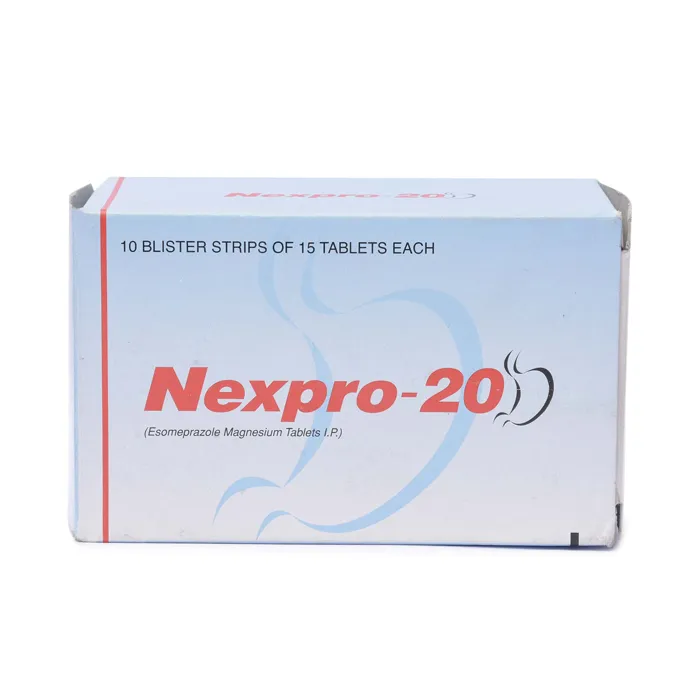
Nexpro 20mg (Esomeprazole)
Previous product

Lumigan 0.03 (Bimatoprost)
$50.00 $90.00Price range: $50.00 through $90.00
Next product
Malirid 45mg (Primaquine)
$52.50 $110.00Price range: $52.50 through $110.00
$14.00 $22.00Price range: $14.00 through $22.00
In Stock
In Stock
Nexpro 20mg (Esomeprazole)
| Pack Size | Price | Quantity | Add To Cart | |
|---|---|---|---|---|
| 60 Tablet/s | $14.00 | |||
| 90 Tablet/s | $18.00 | |||
| 120 Tablet/s | $22.00 | |||
| Want to order in bulk / B2B price? Send Inquiry | ||||
×
Sorry!! Out of Stock
Sorry! Nexpro 20mg (Esomeprazole) is out of stock
Please click below to view other similar medications.
View All Esomeprazole Products

Offer You Can't Resist
Free Shipping
Enjoy Free Shipping on Orders above AUD304 (USD199)
Estimate Shipping :
14 July - 21 July
22
Last Updated on April 30, 2026

Description
Introduction
Nexpro 20mg is a brand-name version of the drug esomeprazole, an extremely popular proton pump inhibitor (PPI). Esomeprazole can be used to lower the production of stomach acid, and Nexpro is a specific formula that comes in a dose of 20 mg. PPIs like esomeprazole block proton pumps within the stomach lining that are responsible for the production of gastric acid. Through blocking these pumps, Nexpro aids in the treatment of various gastrointestinal issues that are caused by the excess acidity of the stomach.
In this post, we’ll look at the benefits and mechanisms of action, dose, adverse effects, and other essential considerations to make when using Nexpro 20mg.
What is Nexpro 20mg (Esomeprazole)?
Nexpro is the trade term for esomeprazole. It is a proton pump inhibitor (PPI). It lowers the amount of stomach acid by stopping the proton pump (H+/K+ ATPase enzyme) found within the lining of your stomach. The enzyme involved in the production of hydrochloric acid within the stomach. Through blocking the enzyme, Nexpro aids in the treatment of conditions brought on by excessive stomach acid, including ulcers, acid reflux, and Zollinger-Ellison Syndrome.
The dose of 20 mg is typically used for moderate to mild acid-related disorders and is commonly utilized as the starting dose for a variety of patients.
Common Uses of Nexpro 20mg (Esomeprazole)
Nexpro 20mg is a medication used to treat a range of acid-related ailments. The main uses of esomeprazole are:
Gastroesophageal Reflux Disease (GERD)
GERD is a condition that occurs in the stomach when acid from the stomach flows back into the esophagus. This can lead to signs such as chest pain, heartburn, regurgitation, and difficulties eating. Nexpro aids in reducing acid in the stomach, thus stopping acid reflux and aiding in the healing process of the stomach lining.
Peptic Ulcers
Peptic ulcers are sores that form in the lining that surrounds the stomach, the small intestinal tract, or the esophagus. They are a result of the destruction of the mucosal protective barrier due to stomach acid. Nexpro 20mg aids in the healing process of these ulcers by decreasing the production of gastric acid and helping to protect the stomach’s lining.
Helicobacter pylori Eradication
For some people suffering from ulcers pepticae, infection caused by the bacteria Helicobacter Pylori is the most common reason. Nexpro is frequently given in combination with antibiotics to treat this infection as well as prevent ulcer recurrence.
Zollinger-Ellison Syndrome
It is a rare issue that occurs when tumors of the pancreas or duodenum can trigger an excessive amount of gastric acid. Nexpro 20mg can be utilized to reduce acid production as well as prevent problems caused by the excessive production of acid.
Prevention of NSAID-Induced Gastric Ulcers
Nonsteroidal anti-inflammatory medicines (NSAIDs) such as ibuprofen and aspirin may result in gastric ulcers. If patients require long-term NSAID usage, Nexpro may be prescribed to avoid the formation of ulcers.
Mechanism of Action
Nexpro (esomeprazole) is a drug that blocks the proton pump within stomach. Protons are the last step in the creation of gastric acid. It is where hydrogen proton ions (protons) are converted into potassium ions (K+), which create hydrochloric acid. Through blocking the proton pump, Nexpro efficiently reduces the production of gastric acid.
Esomeprazole is a prodrug. This means that it’s activated by the acidic environment in the stomach. There, it binds irreversibly to the proton pump. This binding leads the stomach to reduce its acid production. It can last at least 24 hours following one dosage.
Dosage and Administration
The most common dose of Nexpro 20mg is one tablet per day. The medication is typically consumed prior to a meal. The precise dosage could differ depending on the disease being treated, as well as the severity of signs. Some common dosages include:
- For GERD (Gastroesophageal Reflux Disease): 20mg every day for 4 or 8 weeks.
- For Peptic Ulcers: 20mg to 40mg a day for 4-8 weeks.
- For Helicobacter pylori Eradication: Most commonly, 20mg once a day when combined with other antibiotics, such as clarithromycin or amoxicillin, for over 7 days.
- For Zollinger-Ellison Syndrome: The initial dose can be as low as 40 mg twice a day; the dosage can be altered according to the patient’s reaction.
Esomeprazole is typically available in tablets; it may also be used as an oral suspension or as an intravenous injection in hospitals, specifically for those who are unable to consume tablets.
Administration Tips:
- Nexpro tablets must be swallowed by mouth, preferably with water. The tablets are not to be chewed, cut, or broken.
- It is suggested to consume the medicine at the beginning of each day at least 30-60 minutes prior to food intake, to ensure an optimal suppression of acid.
Side Effects of Nexpro 20mg (Esomeprazole)
Although Nexpro 20mg can generally be tolerated, it could cause some side effects in certain individuals. These side effects range from moderate to severe and patients must be aware of them.
Common Side Effects
- Headache: An often-repeated side effect is particularly in the initial stage of the treatment.
- Diarrhea: A few people may suffer from mild diarrhea.
- Nausea and Vomiting: Gastrointestinal discomfort can be a possibility, but it is more likely to disappear after a couple of days.
- Flatulence: Patients may experience constipation or a lot of gas.
Serious Side Effects
While rare, negative side effects that are associated with Nexpro 20mg are:
- Kidney Problems: A long-term usage of PPIs such as esomeprazole can cause kidney problems, which include acute kidney damage and interstitial Nephritis.
- Bone Fractures: Long-term use of Nexpro can increase the chance of bone fractures, specifically among older individuals or people with high-risk factors for osteoporosis.
- Clostridium difficile Infection: The long-term use of PPIs is associated with an increased risk of developing intestinal illnesses, which include C. difficile.
- Low Magnesium Levels: The long-term PPI usage can decrease magnesium levels, which can lead to symptoms like muscle cramps, irregular heartbeat, and seizures.
Allergic Reactions
Some people may experience an allergic reaction when they take esomeprazole, manifesting as symptoms such as:
- Rash, itching, or swelling (especially of the face, lips, or throat).
- Difficulty breathing.
If you notice these signs, urgent medical attention is required.
Drug Interactions
Esomeprazole is a drug that interacts with different medications. This could alter the efficacy of the medication or Nexpro. The most notable interactions are:
- Clopidogrel: Nexpro can reduce the efficiency of clopidogrel, which is a blood thinner, by inhibiting the activation of the drug. It could also increase the chance that blood clots will form.
- Warfarin: Be cautious while taking Nexpro in combination in conjunction with warfarin, as it could raise the risk of bleeding.
- Methotrexate: Nexpro can increase the levels of methotrexate and increase the chance of toxicity, in particular dosages that are high.
- Diazepam and Phenytoin: Nexpro can increase the level of blood concentration of the substances, possibly causing sedation or toxicity.
- Ketoconazole and Itraconazole: As Nexpro decreases stomach acid It can interfere with the absorption of certain drugs, which include antifungals such as ketoconazole and itraconazole.
Patients must inform their healthcare doctor about any medications they take, which include over-the-counter medications, supplements, and herbal treatments.
Precautions and Warnings
Certain precautions users should take into consideration before using Nexpro 20mg:
- Pregnancy and Breastfeeding: Esomeprazole is considered a category C drug used during pregnancy. This means that it must be considered only if the benefits are greater than the dangers. It’s not known the extent to which esomeprazole can be absorbed by the milk of a nursing mother, therefore, precautions are recommended for mothers who are breastfeeding.
- Liver Disease: Nexpro is converted into metabolites by the liver. Patients with liver disorders could require a reduction in dosage or careful and constant monitoring throughout treatment.
- Long-Term Use: Long-term use of PPIs such as Nexpro could result in mineral and vitamin deficiency (e.g., vitamin B12 and calcium, as well as magnesium) and an increased likelihood of getting gastrointestinal illnesses. A regular check-up is recommended for patients who are on long-term therapy.
- Heart Issues: People with pre-existing heart problems that are pre-existing are advised to consult a physician before beginning Nexpro or any other PPI, since PPIs could impact the cardiovascular system.
Conclusion
Nexpro 20mg (esomeprazole) is an efficient treatment that can treat a variety of stomach disorders resulted or worsened by excess stomach acid. For conditions such as GERD, peptic ulcers, or Zollinger-Ellison Syndrome, Nexpro helps by cutting down the amount of gastric acid produced, which provides relief as well as encourages healing in the areas affected.
Although it’s generally tolerated, users should be aware of the potential for adverse reactions as well as interactions with other drugs. Consult a medical doctor before starting the treatment of Nexpro, specifically when you’re taking longer-term medication or suffer from underlying medical issues.
Related products




Reviews
There are no reviews yet.