
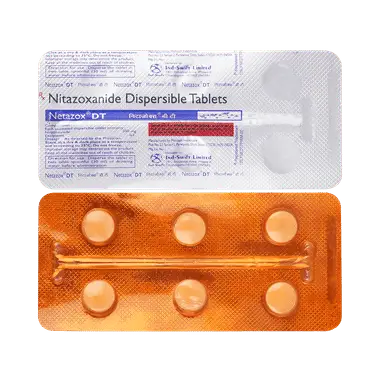
Netazox DT 200mg (Nitazoxanide)
Previous product
Nicardia XL 30mg (Nifedipine)
$40.00 $68.00Price range: $40.00 through $68.00
Next product
Nefosar 30mg (Nefopam)
$35.00 $119.00Price range: $35.00 through $119.00
$23.00 $56.00Price range: $23.00 through $56.00
In Stock
In Stock
Netazox DT 200mg (Nitazoxanide)
| Pack Size | Price | Quantity | Add To Cart | |
|---|---|---|---|---|
| 30 Tablet/s | $23.00 | |||
| 60 Tablet/s | $38.00 | |||
| 90 Tablet/s | $56.00 | |||
| Want to order in bulk / B2B price? Send Inquiry | ||||
×
Sorry!! Out of Stock
Sorry! Netazox DT 200mg (Nitazoxanide) is out of stock
Please click below to view other similar medications.
View All Nitazoxanide Products
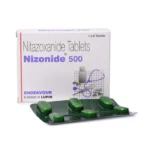
Offer You Can't Resist
Free Shipping
Enjoy Free Shipping on Orders above AUD304 (USD199)
Estimate Shipping :
07 June - 14 June
23
Last Updated on April 30, 2026

Description
Introduction
Netazox DT is a trademark term for the drug Nitazoxanide and is utilized to act as an antiprotozoal as well as an antimicrobial drug. It’s effective against various intestinal parasites as well as viral diseases. Nitazoxanide can be employed to treat diseases that are caused by the giardia, cryptosporidium and other viral diseases like Rotavirus. “DT” in Netazox DT refers to the dispersible tablet form of the medication, which is intended for dissolving in water, allowing for simple ingestion, particularly for those who are unable to swallow tablets.
The dosage is 200 mg of Netazoxanide. It is an all-purpose strength that is used for the treatment of infections in both children and adults. Here is an in-depth description of its functions and mechanism of action, dosage, effects on the body, and other considerations.
Mechanism of Action
Nitazoxanide is a drug that works by stopping the enzyme pyruvate: ferredoxin oxidoreductase (PFOR). This enzyme is vital to the metabolism of anaerobic species like protozoa, bacteria, and viral pathogens. Through blocking this enzyme, Nitazoxanide interferes with the process of energy production in these organisms. This leads to the death of these organisms or an inhibition of their growth.
It’s antiprotozoal. The properties of Nitazoxanide make it useful in fighting a variety of parasites that can affect the digestive system. Furthermore, Nitazoxanide has Antiviral activities, notably directed at Rotavirus. This is the most frequent reason for gastroenteritis in children.
Indications for Use
Netazox DT 200mg (Nitazoxanide) can be utilized to treat these ailments:
- Giardiasis: The infection is caused by the Giardia lamblia parasite, which causes symptoms that include stomach cramps, diarrhea, nausea, and bloating. Nitazoxanide is a highly effective remedy for this problem.
- Cryptosporidiosis: It is caused by the Cryptosporidium parasite. This infection causes diarrhoea and the loss of water. Nitazoxanide can be particularly beneficial in the treatment of cryptosporidiosis in patients with immunocompromised conditions.
- Diarrhea caused by Rotavirus: When it comes to children, rotavirus is the most frequent cause of gastroenteritis. It can result in severe vomiting and diarrhea. Nitazoxanide is a remedy to lessen the severity and length of diarrhea that is caused by the rotavirus.
- Helminth Infections (e.g., Schistosomiasis, Fascioliasis): Nitazoxanide could also prove effective against some helminths. However, it’s rarely used as the primary treatment for such diseases.
- Clostridium difficile (C. diff) associated diarrhea: In certain instances, it is possible to use Nitazoxanide to help treat moderate to mild instances of C. diff-associated diarrhea, particularly when traditional treatments don’t work.
Dosage and Administration
The dose of Netazox DT 200 mg is dependent on the kind of disease being treated as well as the level of age at which the patient’s age. In general, the following dosage recommendations are applicable:
- Giardiasis and Cryptosporidiosis (Adults and Children over 12 years): The dosage recommended should be 200 mg two times daily for three days.
- Giardiasis and Cryptosporidiosis (Children 1-11 years): The dose is usually dependent on the weight of the child. If a child weighs between 11 and 20 kilograms, 100 mg twice daily is the norm, and for kids who weigh over 20 kilograms, an adult dosage of 200 mg once a day could be suitable.
- Diarrhea caused by Rotavirus (Children 1-12 years): A typical dosage can be 200 mg once per day, for three days.
- Other infections: Dosage of other forms of parasitic or helminthic infections can differ and is best determined by a doctor.
Dispersible tablets (DT) formulation is created to dissolve in water in a tiny amount, making it easy to take, specifically for children and those who struggle to swallow ordinary tablets.
Side Effects
Like all medicines, Netazox DT 200mg (Nitazoxanide) may cause negative side effects. However, every person will experience them. Some of the most frequent side effects include:
- Gastrointestinal symptoms: They can be accompanied by nausea, abdominal pain, diarrhoea, and bloating. They are usually minor and diminish as the body adapts to the drug.
- Headache: A few people may have a mild or moderate headache when using Nitazoxanide.
- Fatigue or dizziness: Certain patients experience fatigue or dizziness, especially in the event of standing quickly.
- Rashes: The skin can be affected by rashes occasionally; however, these are rare.
- Changes in taste: Bitter or metallic taste could be an adverse effect that can be experienced, in particular in the form that disperses.
In rare instances, there are more severe adverse side effects that could occur. These include:
- Severe allergic reactions: The symptoms of swelling on the lips, face, throat, or tongue, difficulty breathing, and extreme rashes could suggest reactions to an allergen. Medical attention is required.
- Liver enzyme abnormalities: Though it is not a common occurrence, Nitazoxanide can cause changes in the enzymes. Regular monitoring of liver function is recommended in long-term usage or for patients suffering from already-existing liver problems.
- Severe gastrointestinal symptoms: If vomiting, nausea, and diarrhea get intense or continue to persist if the symptoms become severe or persistent, you should seek out a medical professional.
Precautions and Contraindications
Before taking Netazox DT 200mg Patients must inform their physician of any medical conditions, particularly:
- Allergic reactions: If you have a confirmed allergic reaction to Nitazoxanide or any other components in the medication that are causing the allergy, it shouldn’t be taken.
- Liver impairment: Because the drug is processed in the liver, patients who suffer from liver problems should take the drug with caution. Adjustments in dosage or monitoring of liver function may be needed.
- Pregnancy and breastfeeding: Nitazoxanide hasn’t been examined for pregnant women in depth. The use of the drug during pregnancy is only recommended in cases where the potential benefits are greater than the potential risks. Also, it is not clear whether the drug is absorbed into the breast milk of the mother; care should be taken in administering the drug to mothers who are breastfeeding.
- Children: It is usually accepted as safe for children. However, dosages are best adjusted according to weight and age. Parents should adhere to the doctor’s prescriptions carefully when giving medication to their children.
- Renal impairment: Nitazoxanide is mostly eliminated via the liver. However, caution is still required for patients suffering from kidney disease since it can impact the drug’s metabolism overall.
Interactions with Other Drugs
Nitazoxanide could interact with other drugs, thereby altering their effects or increasing the likelihood of adverse effects. A few possible drug interactions are:
- Antacids or proton pump inhibitors: They can decrease the absorption rate of Nitazoxanide and make the drug less efficacious. If you are required to use antacids, you should place them in a different location from Nitazoxanide dosages.
- Warfarin (an anticoagulant): There’s a possibility of a relationship that could occur between Nitazoxanide and warfarin that could increase the chance of bleeding. Monitoring of the INR (International Normalized Ratio) is recommended for those taking both drugs.
- Other antimicrobials: If combined with other antiparasitic or antimicrobial substances, Nitazoxanide may either enhance or decrease the effectiveness of other medications. It is crucial to discuss any medication, even over-the-counter medications, with your healthcare professional.
Use in Special Populations
- Pregnancy: As we said earlier, it is recommended that Nitazoxanide only be administered during pregnancy when its potential benefits outweigh the potential risk to the foetus.
- Breastfeeding: It’s not known whether Nitazoxanide is absorbed into the breast milk. This is why it needs to be taken with care when nursing.
- Elderly: Older adults generally take Nitazoxanide quite well. However, any health issues (like kidney or liver problems) must be considered.
Conclusion
Netazox DT 200mg (Nitazoxanide) is a potent treatment for a range of intestinal parasites and viral diseases, such as cryptosporidiosis, giardiasis, and Rotavirus diarrhea. It acts by disrupting the metabolism of pathogens, resulting in the death of or reduction. Dispersible tablets are suitable for adults and youngsters, especially those who struggle to swallow ordinary tablets.
While Nitazoxanide although it is typically well-tolerated, it can cause minor adverse effects like gastrointestinal pain, headache, or dizziness. Serious side reactions are uncommon; they must be monitored closely, especially for patients suffering from kidney or liver disease.
Additional Information
| Active Ingredient: | Nitazoxanide |
|---|---|
| Indication: | Diarrhoea, Worm infections |
| Manufacturer: | Ind-Swift Laboratories |
| Strength: | 200mg |
| Packaging: | 6 Dispersible Tablets in 1 Strip |
| Delivery Time: | 7 To 15 days |
Related products

Recently Viewed

Reviews
There are no reviews yet.