
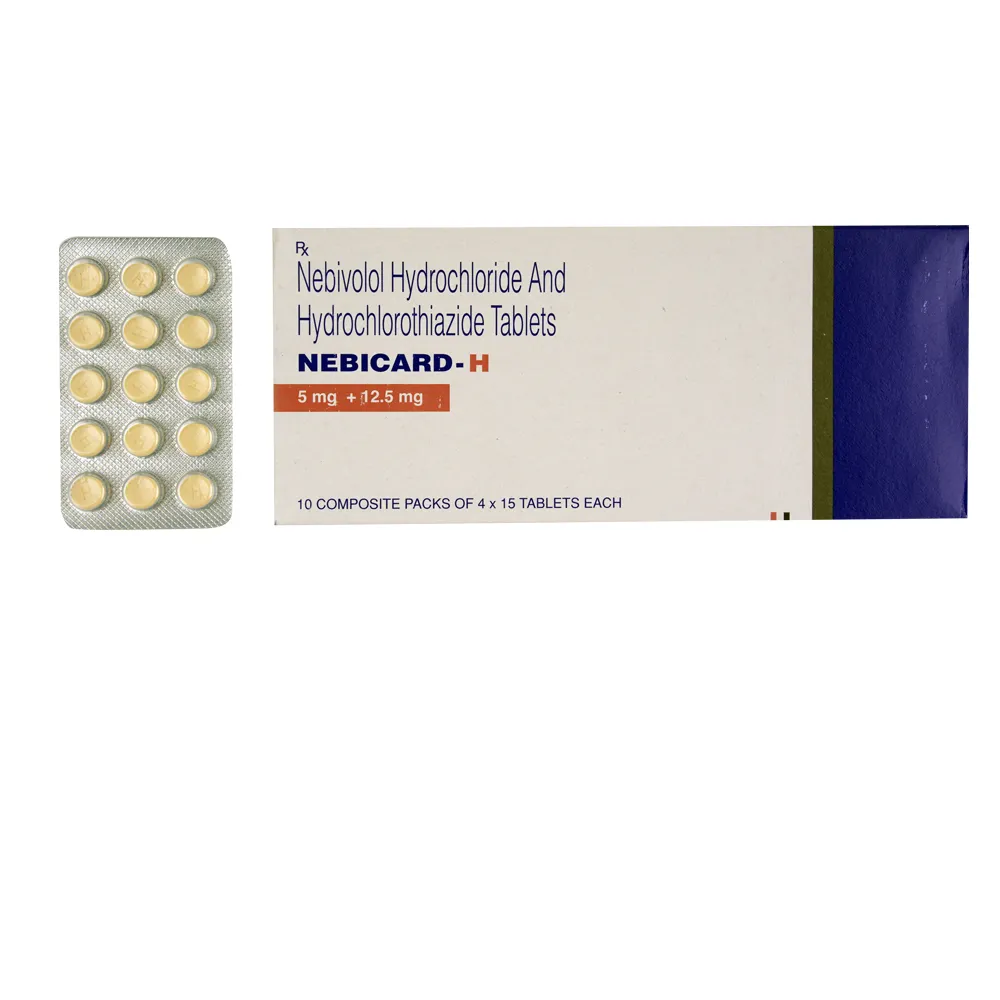
Nebicard-H (Nebivolol/Hydrochlorothiazide)
Previous product

Nebicard T (Nebivolol/Telmisartan)
A$38.00 A$96.00Price range: A$38.00 through A$96.00
Next product
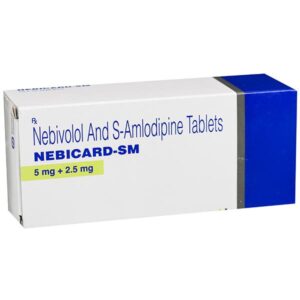
Nebicard-SM (Nebivolol/S-Amlodipine)
A$39.00 A$95.00Price range: A$39.00 through A$95.00
A$34.00 A$82.00Price range: A$34.00 through A$82.00
In Stock
In Stock
Nebicard-H (Nebivolol/Hydrochlorothiazide)
| Pack Size | Price | Quantity | Add To Cart | |
|---|---|---|---|---|
| 30 Tablet/s | A$34.00 | |||
| 60 Tablet/s | A$58.00 | |||
| 90 Tablet/s | A$82.00 | |||
| Want to order in bulk / B2B price? Send Inquiry | ||||
×
Sorry!! Out of Stock
Sorry! Nebicard-H (Nebivolol/Hydrochlorothiazide) is out of stock
Please click below to view other similar medications.
View All Nebivolol/Hydrochlorothiazide Products
Offer You Can't Resist
Free Shipping
Enjoy Free Shipping on Orders above AUD304 (USD199)
Estimate Delivery :
12 October - 19 October
27
Excellent service overall
Smooth checkout, quick dispatch, and secure delivery. Excellent service overall
 Australia
October 1, 2026
Last Updated on April 30, 2026

Description
Introduction to Nebicard-H
Nebicard-H is a fixed-dose combination medication that contains two active components: Nebivolol and Hydrochlorothiazide. This type of combination is typically used for treating hypertension (hypertension) and occasionally it can also treat other conditions of the cardiovascular system. This medication addresses the various facets of blood pressure control, which makes it a viable treatment option for those with hypertension who are not treated with a single-agent approach.
Nebivolol: A Beta-Blocker
Nebivolol is known as a beta-1 selective antagonist of the adrenergic system (beta-blocker). It blocks selectively beta-1 adrenergic receptors that are found in the heart, decreasing the impact of adrenaline (epinephrine) in the heart. It helps to lower the rate of heart contraction and decreases the force of contraction, leading to a reduction in the cardiac output. In this way, Nebivolol aids in lowering blood pressure.
Additionally, Nebivolol is unique in its ability to promote vasodilation (widening of blood vessels) by an increase in nitric Oxide. This also helps reduce blood pressure and results in improved cardiovascular outcomes, especially when patients suffer from hypertension.
Hydrochlorothiazide: A Thiazide Diuretic
Hydrochlorothiazide (HCTZ) is a diuretic with thiazide that works by increasing the volume of urine produced by the kidneys. This is accomplished by preventing sodium reabsorption from the convoluted tubules in the distal part of the kidneys. In the end, more sodium and water are removed from the body, resulting in a decrease in the total volume of fluid within the circulation system. The reduction in volume of fluid assists in helping to reduce blood pressure through a reduction in the load on the heart and also the tension within blood vessels.
Thiazide diuretics such as Hydrochlorothiazide are typically the first-line treatment for hypertension. But, they’re often used with other antihypertensive drugs in cases where a further blood pressure reduction is necessary.
Mechanism of Action
Nebivolol, in combination with Hydrochlorothiazide, gives you the dual strategy to control high blood pressure.
- Nebivolol is primarily effective by reducing the heart rate and improving vasodilation.
- Hydrochlorothiazide, on contrary, decreases the total amount of fluid and lowers vascular resistance, which helps to decrease blood pressure.
This synergistic activity makes Nebicard H an effective and well-tolerated choice for a large number of patients suffering from hypertension, particularly patients who haven’t responded in a satisfactory way to monotherapy or suffer from side effects of specific agents.
Indications and Uses
Nebicard-H is used mainly as:
- Hypertension: It’s used to control high blood pressure as a first-line treatment for situations when control of blood pressure cannot be achieved using other medicines.
- Cardiovascular diseases: It could also prove useful for patients suffering from other health conditions, such as chronic heart failure. However, its application in these situations could be contingent on the patient’s general health and the response to treatments.
In certain instances, doctors may prescribe Nebicard H for precautionary steps to prevent cardiovascular issues, such as a heart attack or stroke those with risk factors like diabetes, obesity, or a history of smoking.
Dosage and Administration
The dose of Nebicard-H will be determined by the physician who prescribed it, dependent on the blood pressure of the patient and general well-being. It is typically consumed at least once a day, either in combination with or without food. It is crucial to consume it every day to ensure that you keep track of the dosage. In general, it comes in various strengths that contain different amounts of Nebivolol (usually between the levels between 5 mg and 10 mg) as well as hydrochlorothiazide (12.5 mg to 25 mg).
The initial dose could be less or higher, but the physician can modify the dosage as time passes, dependent on the patient’s responses to treatment as well as tolerance.
Side Effects
Although Nebicard-H is usually well tolerated, as with all medications that are prescribed, it may cause adverse effects. These side effects can become more severe when treatment is first initiated or when dosages are increased.
Common side effects include:
- Dizziness or lightheadedness, especially when standing up quickly
- Fatigue or tiredness
- Headache
- Nausea or upset stomach
- Elevated blood sugar (This could pose a problem which could pose a problem)
Negative side effects, although less prevalent, may be:
- Bradycardia (slow heart rate)
- Hypotension (severe low blood pressure)
- The imbalance of electrolytes, especially the low levels of sodium or potassium (due to the diuretic action of hydrochlorothiazide)
- Severe allergic reactions such as rash, itching, or difficulty breathing
- Acid-base imbalances as well as dehydration because of the diuretic action
Patients must be closely monitored by their physician, in particular during the first few weeks following treatment, in order to monitor for any adverse consequences.
Contraindications
Nebicard-H is not recommended for those who suffer from:
- Severe bradycardia or heart block (due to the fact that Nebivolol is a beta-blocker, it could exacerbate these conditions.)
- Severe hypotension (extremely low blood pressure)
- Acute decompensated heart failure
- Severe renal or hepatic impairment (as both of them are metabolized by the kidneys and liver)
- Hypersensitivity to Nebivolol, Hydrochlorothiazide, or other thiazide diuretics
Patients who have a background or a history of asthma or chronic obstructive pulmonary disorder (COPD) should be very cautious with Nebivolol since beta-blockers can cause breathing problems in certain people.
Drug Interactions
Nebicard-H may interact with other drugs, which could alter its effectiveness or increase the likelihood of having side effects. A few important interactions include:
- Other antihypertensive drugs: Taking Nebicard-H in conjunction with other medications that lower blood pressure (such as ACE inhibitors, ARBs, and calcium channel blockers) could result in the effects of other medications and increase the chance of developing hypotension.
- Antiarrhythmic medications: Beta-blockers such as Nebivolol may interact with medicines that treat abnormal heartbeats, like amiodarone or digoxin.
- Lithium: Diuretics containing thiazides can raise levels of lithium and can cause toxicities.
- NSAIDs (Nonsteroidal Anti-Inflammatory Drugs): They can decrease the efficacy of Hydrochlorothiazide and could raise blood pressure.
Patients must be sure to inform their doctor of the other medicines (including prescription drugs, supplementation with herbal ingredients) they take prior to beginning Nebicard-H.
Patient Monitoring and Considerations
Nebicard-H patients should be subject to periodic monitoring, focusing on:
- Blood pressure levels: For ensuring that it is effective in lowering blood pressure.
- Kidney function: Because both Nebivolol and Hydrochlorothiazide both are metabolized in the kidneys, the function of renal cells is to be assessed often.
- Electrolyte levels: Hydrochlorothiazide is known to cause imbalances of sodium, potassium, and magnesium. Therefore, the levels of these elements should be checked frequently.
- Heart rate: Because Nebivolol is known to lower the heart’s rate, it’s vital to be aware of bradycardia (slow heart rate).
Conclusion
Nebicard-H is an efficient fixed-dose combination drug that brings together the advantages that come from Nebivolol, which is a beta-blocker with vasodilatory qualities, and Hydrochlorothiazide diuretic that lowers the amount of fluid that circulates within the body. Because it addresses multiple mechanisms in hypertension, the Nebicard-H offers the potential for a combination method to control blood pressure. Though it’s typically well-tolerated, patients must be cognizant of possible side effects and interactions with other medicines.
Additional Information
| Active Ingredient: | Nebivolol/Hydrochlorothiazide |
|---|---|
| Indication: | High Blood Pressure |
| Manufacturer: | Torrent Pharmaceuticals Ltd. |
| Strength: | 5mg/12.5mg |
| Packaging: | 15 Tablets in 1 Strip |
| Delivery Time: | 7 To 15 days |
Related products






Reviews
There are no reviews yet.