
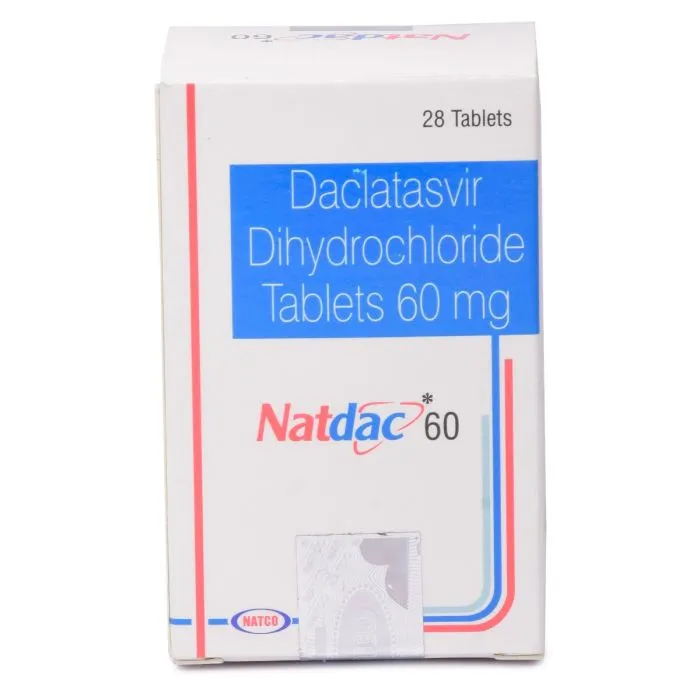
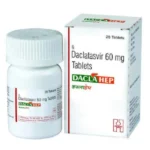
Natdac 60mg (Daclatasvir)
Previous product
Ribahep 200mg (Ribavirin)
$75.00 $150.00Price range: $75.00 through $150.00
Next product
Bimat 3ml (Bimatoprost)
$12.24 $60.98Price range: $12.24 through $60.98
$85.00 $235.00Price range: $85.00 through $235.00
In Stock
In Stock
Natdac 60mg (Daclatasvir)
| Pack Size | Price | Quantity | Add To Cart | |
|---|---|---|---|---|
| 28 Tablet/s | $85.00 | |||
| 56 Tablet/s | $160.00 | |||
| 84 Tablet/s | $235.00 | |||
| Want to order in bulk / B2B price? Send Inquiry | ||||
×
Sorry!! Out of Stock
Sorry! Natdac 60mg (Daclatasvir) is out of stock
Please click below to view other similar medications.
View All Daclatasvir Products
Offer You Can't Resist
Free Shipping
Enjoy Free Shipping on Orders above AUD304 (USD199)
Estimate Shipping :
18 June - 25 June
22
Last Updated on April 30, 2026

Description
Natdac 60mg (Daclatasvir): A Comprehensive Overview
Natdac 60mg is a medicine that consists of Daclatasvir, which is an antiviral medicine utilized for treating Hepatitis C virus (HCV) infections. Hepatitis C can be described as a long-lasting liver disorder caused by HCV that is linked to chronic liver damage and cirrhosis. It can also cause liver cancer, as well as many other complications. Daclatasvir is a member of the direct-acting antiviral (DAA) class of medications that target certain aspects of the HCV replication process, thus stopping the virus from spreading.
Natdac (Daclatasvir) is generally employed in combination with other antiviral drugs (such as Sofosbuvir) to combat HCV diseases, specifically when patients are diagnosed with specific genotypes of HCV.
In this post, we’ll discuss use, pharmacology, dosage, and side effects, as well as the most important aspects to consider when making use of Natdac 60mg (Daclatasvir).
What is Daclatasvir?
Daclatasvir can be described as an inhibitor of the NS5A. This NS5A protein is an important element that makes up the HCV replication complex, which is why blocking it could significantly reduce the capacity of the virus to multiply and expand. In focusing on this protein, Daclatasvir can reduce the amount of virus (amount of virus present in the bloodstream) and aid your body’s immune system in managing and eliminating the virus.
Daclatasvir is frequently utilized in conjunction with antiviral medicines for a more efficient treatment plan. Daclatasvir is not a single drug to treat HCV; however, it is a component of a treatment specifically tailored to the type of virus.
Indications for Natdac (Daclatasvir)
Natdac 60mg (Daclatasvir) is typically used in the treatment of chronic Hepatitis C disease for adults, whether in combination treatment with antiviral drugs or under certain circumstances.
a) Chronic Hepatitis C Genotype 1, 2, 3, or 4:
- Genotype 1: Daclatasvir, when used with Sofosbuvir, is effective in treating HCV genotype 1 infections, including both treatment-naive (those who have not previously been treated) and treatment-experienced patients.
- Genotype 2, 3, and 4: Daclatasvir, when combined with other antiviral drugs (such as Sofosbuvir), has been demonstrated to be efficient against these genotypes, too.
b) Liver Cirrhosis (Compensated or Decompensated):
- Patients suffering from liver cirrhosis who are suffering from ongoing HCV infection may benefit from the treatment Daclatasvir, especially when combined with Sofosbuvir.
c) People with HIV-HCV Co-Infection:
- In the case of people who are infected with both HCV and HIV, Daclatasvir can be employed in a mixed treatment plan to combat both viruses, particularly if the patient is suffering from HIV, which is controlled by antiretroviral treatment.
d) Previous Treatment Failures:
- People who have had previous failures with any other treatments to treat HCV could benefit from Daclatasvir treatment, since it is effective in patients who have been resistant to previous treatments.
Dosage and Administration
The most commonly recommended dose for Natdac (Daclatasvir) is 60 mg per day. But the dosage can be different based on the specific combination therapy as well as individual patient characteristics. It is administered in a liquid form and is best taken in whole form, either with or without food.
a) Combination Therapy:
- Daclatasvir + Sofosbuvir: Most commonly, the combination of drugs is Daclatasvir 60 mg with Sofosbuvir 400mg. It is taken twice per day for 12 weeks, in those with genotypes 1, 2, 3, or 4.
- Different combinations can be utilized based on the genotype of HCV and any liver issues that are present. Your doctor will create the treatment plan to suit your needs according to these variables.
b) Missed Dose:
- If you miss a dose of Daclatasvir, you should take it as quickly as you can remember. But, if it’s close to the time for your next dose, you can skip the dose that was missed and proceed by following the regular schedule for dosing. Avoid taking two doses simultaneously to cover the missed dose.
c) Treatment Duration:
- Treatment that includes Daclatasvir generally lasts for twelve weeks; however, the duration of treatment may vary depending on the HCV genotype, as well as previous treatment outcomes, and the presence of liver cirrhosis and other complications.
Side Effects of Natdac (Daclatasvir)
Just like all drugs, Natdac (Daclatasvir) may cause adverse effects. But not all people will suffer from these. The most frequent side effects are minor and will disappear over the course of time.
a) Common Side Effects:
- Fatigue: Some patients experience fatigue or exhaustion while they are taking Daclatasvir, particularly during the initial few weeks following treatment.
- Headache: Headaches are common and could vary from mild to moderate intensity.
- Nausea: Certain people might be nauseated, but it is not severe.
- Diarrhea: Gastrointestinal discomforts, such as diarrhea is common in certain individuals.
- Insomnia: Sleep disturbances or difficulty sleeping with the sleep pattern are both feasible.
b) Serious Side Effects:
Though rare, dangerous side effects can happen, and you must consult a doctor when any of the following occur:
- Severe Fatigue or Weakness: Tiredness is extreme and doesn’t get better with time.
- Yellowing of the Skin or Eyes (Jaundice): It could also be an indication of liver disease, which could include the liver failing.
- Abdominal Pain: Severe stomach pain, particularly located on the upper right of the abdomen, may be a sign of liver issues.
- Rash: If you notice a rash, particularly when it’s extremely severe, or is associated with itching or swelling must be reported to a doctor.
- Signs of Infection: Chills, fever, or other symptoms of infection are a sign that you also have HIV.
Precautions and Warnings
Before you begin the Natdac (Daclatasvir), there are several important aspects to take into consideration:
a) Liver Function:
- Daclatasvir is processed by the liver. Therefore, it is vital to check the liver’s performance regularly during treatment. If you suffer from significant liver dysfunction (e.g., the decompensated form of cirrhosis) your doctor might alter the treatment plan.
b) HIV Co-Infection:
- If you’re co-infected with HIV as well as HCV If you are co-infected with both, your HIV treatment program must be reviewed carefully since certain HIV medicines may interfere with Daclatasvir and reduce its effectiveness.
c) Drug Interactions:
- Daclatasvir can interfere with other drugs, especially those that impact the liver enzymes (CYP3A4 inhibitors or inducers). Make sure you inform your physician of any other medication that you’re taking, which includes over-the-counter medications, such as herbal supplements or HIV medicines.
- Medications that may interact with Daclatasvir include:
- Rifampin (a tuberculosis medication), this can affect the effectiveness of Daclatasvir.
- Anticonvulsants such as phenytoin and carbamazepine and phenytoin, can reduce Daclatasvir levels.
- Antifungals such as ketoconazole and itraconazole can raise Daclatasvir levels.
- HIV protease inhibitors (e.g., atazanavir, ritonavir) may interact with Daclatasvir and necessitate dose adjustment.
d) Pregnancy and Breastfeeding:
- Pregnancy Category C: Daclatasvir has not been thoroughly studied in pregnant women, as its safety in pregnancy has not been established. This medication should only be taken in pregnancy when the benefits are greater than the potential risks.
- Breastfeeding: There is no information on whether Daclatasvir is excreted in human milk. If you’re breastfeeding, ask your physician before using this medication.
Drug Interactions
As we said earlier, Daclatasvir is metabolized by liver enzymes (mainly CYP3A4), so it could interfere with other medicines that affect the enzymes. Certain medications may decrease the efficacy of Daclatasvir, and others may boost its concentration, thereby increasing the chance of adverse effects. It is therefore essential to notify your healthcare doctor about any medications you take, which include prescription and over-the-counter medications as well as herbal supplements.
Conclusion
Natdac 60mg (Daclatasvir) is an important and effective medication used in treating chronic Hepatitis C infection, specifically when used in conjunction with other antiviral agents that act directly, such as Sofosbuvir. Daclatasvir is effective by blocking the NS5A protein vital to the development of the Hepatitis C virus.
Although Natdac is usually well tolerated, it’s crucial to check the potential for side effects and to keep an eye on interactions with other drugs. A regular check-up with your health doctor is crucial to ensure that your treatment is functioning properly and to address any adverse consequences that could arise.
Related products




Recently Viewed

Reviews
There are no reviews yet.