Introduction
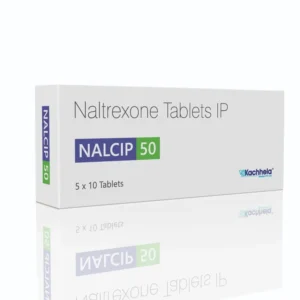
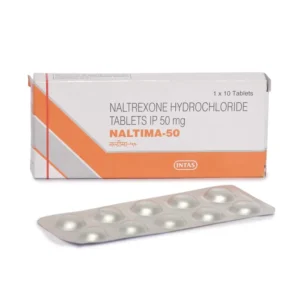
Nalsign 50mg is a branded formulation of Naltrexone, a well-established medication used in the treatment of opioid dependence and alcohol use disorder (AUD). It belongs to the class of drugs known as opioid receptor antagonists, meaning it blocks the effects of opioids in the brain and helps reduce cravings for alcohol.
Naltrexone does not produce euphoria or sedation. Instead, it works as a relapse-prevention medicine, supporting long-term recovery when combined with counseling, behavioral therapy, and lifestyle modification.
Because addiction is a chronic brain condition, medications like Nalsign 50mg play an important role in stabilizing brain chemistry and reducing the risk of relapse.
What is Nalsign 50mg (Naltrexone)?
Naltrexone is a synthetic opioid antagonist that binds strongly to opioid receptors in the brain without activating them. This prevents other substances such as heroin, morphine, or alcohol-related endorphin release from producing pleasurable effects.
Opioid Use Disorder
It is also widely used in managing alcohol dependence by reducing the rewarding effects of alcohol consumption.
Alcohol Use Disorder
How Naltrexone Works (Mechanism of Action)
Naltrexone works by blocking opioid receptors in the central nervous system, especially the mu-opioid receptors. These receptors are responsible for feelings of pleasure and reward.
When these receptors are blocked:
- Opioids cannot produce a “high”
- Alcohol-induced dopamine release is reduced
- Cravings gradually decrease
Mechanism Summary
Opioid receptor blockade → reduced dopamine reward → decreased craving and relapse risk\text{Opioid receptor blockade → reduced dopamine reward → decreased craving and relapse risk}Opioid receptor blockade → reduced dopamine reward → decreased craving and relapse risk
Unlike substitution therapies, Naltrexone does not replace opioids—it blocks their effects completely.
Key Uses of Nalsign 50mg
1. Opioid Dependence Treatment
Naltrexone is used after detoxification to prevent relapse. It is not used during active opioid use because it can trigger withdrawal symptoms.
It helps by:
- Blocking euphoric effects of opioids
- Reducing craving intensity
- Supporting long-term abstinence
2. Alcohol Dependence Treatment
In alcohol use disorder, Naltrexone reduces the pleasurable effects of drinking, making alcohol less rewarding and helping patients control consumption.
It does not cause aversion but reduces “urge-driven drinking.”
Dosage and Administration
The dosage depends on the condition being treated.
For Opioid Dependence
- Standard dose: 50 mg once daily
- Alternative schedule: 100 mg every other day (doctor-dependent)
Important requirement:
- Patient must be opioid-free for 7–10 days before starting
If opioids are still present, Naltrexone can cause precipitated withdrawal, which is severe and sudden.
For Alcohol Use Disorder
- Standard dose: 50 mg once daily
Some patients may receive long-acting injectable Naltrexone (monthly form) for better compliance.
How to Take Nalsign 50mg
- Can be taken with or without food
- Take at the same time daily for best results
- Do not double the dose if one is missed
- Follow medical supervision strictly
Consistency is important because irregular use reduces effectiveness.
Benefits of Nalsign 50mg
1. Reduces Cravings
Naltrexone significantly lowers cravings for opioids and alcohol, making recovery easier.
2. Prevents Relapse
By blocking reward pathways, it reduces the chance of returning to substance use.
3. Non-Addictive
Unlike opioids or sedatives, Naltrexone does not cause dependence.
4. Supports Behavioral Therapy
Works best when combined with counseling and rehabilitation programs.
5. Improves Long-Term Recovery
Helps stabilize brain reward systems over time, supporting sustained abstinence.
Side Effects of Nalsign 50mg
Common Side Effects
These symptoms are usually mild and temporary.
Serious Side Effects
- Liver enzyme elevation or liver toxicity
- Mood changes or depression
- Suicidal thoughts (rare but important)
- Severe withdrawal (if opioids are still present)
Patients should undergo regular liver function monitoring during treatment.
Precautions and Warnings
1. Opioid-Free Requirement
Naltrexone must only be started after opioids are completely cleared from the body.
2. Liver Disease
Use with caution in patients with liver impairment. Regular liver tests are required.
3. Mental Health Conditions
Patients with depression or psychiatric disorders should be closely monitored.
4. Pregnancy and Breastfeeding
Use only if clearly necessary and prescribed by a doctor.
5. Pain Management Issue
If emergency pain relief is needed, standard opioids may not work due to receptor blockade.
Drug Interactions
Naltrexone has relatively few drug interactions, but important considerations include:
- Opioid medications (completely blocked)
- Opioid-containing cough syrups or painkillers
- Hepatotoxic drugs (may increase liver risk)
- Alcohol (not dangerous, but counterproductive in AUD treatment)
Always inform the doctor about all medications being used.
Important Clinical Considerations
- Works best in combination with counseling and behavioral therapy
- Requires patient motivation and adherence
- Not effective for acute withdrawal treatment
- Regular follow-ups improve success rates
- Injectable forms improve compliance in long-term therapy
Recovery outcomes are significantly better when medication is combined with structured rehabilitation programs.
Overdose and Safety
Naltrexone overdose is rare and generally not life-threatening, but may cause:
- Severe nausea
- Abdominal discomfort
- Dizziness
- Liver stress (in very high doses)
Medical supervision is always recommended.
Lifestyle Recommendations During Treatment
- Avoid alcohol completely or reduce intake significantly
- Maintain regular therapy sessions
- Stay hydrated and maintain balanced nutrition
- Avoid opioid-based medications unless approved
- Engage in physical activity and stress management techniques
These lifestyle habits improve long-term recovery success.
Conclusion
Nalsign 50mg (Naltrexone) is an important medication in modern addiction treatment. By blocking opioid receptors and reducing alcohol reward pathways, it helps patients break the cycle of dependence and maintain long-term recovery.
It is most effective when used as part of a comprehensive treatment plan that includes medical supervision, counseling, and behavioral support.
While generally safe, it requires careful monitoring, especially for liver function and mental health. With proper use, Naltrexone significantly improves recovery outcomes and reduces relapse risk in both opioid and alcohol dependence conditions.



 Australia




Reviews
There are no reviews yet.