

Mupinase Cream (Mupirocin)
Previous product
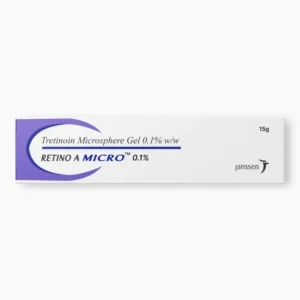
Retino A Micro Gel 0.1 % (Tretinoin)
$20.23 $116.69Price range: $20.23 through $116.69
Next product
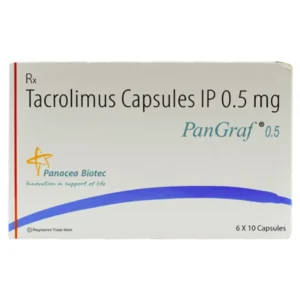
Pangraf 0.5mg (Tacrolimus)
$40.65 $117.44Price range: $40.65 through $117.44
$7.76 $40.34Price range: $7.76 through $40.34
In Stock
In Stock
Mupinase Cream (Mupirocin)
| Pack Size | Price | Quantity | Add To Cart | |
|---|---|---|---|---|
| 1 Cream | $7.76 | |||
| 3 Cream/s | $21.72 | |||
| 6 Cream/s | $40.34 | |||
| Want to order in bulk / B2B price? Send Inquiry | ||||
×
Sorry!! Out of Stock
Sorry! Mupinase Cream (Mupirocin) is out of stock
Please click below to view other similar medications.
View All Mupirocin Products
Offer You Can't Resist
Free Shipping
Enjoy Free Shipping on Orders above AUD304 (USD199)
Estimate Delivery :
15 October - 22 October
22
Excellent service overall
Smooth checkout, quick dispatch, and secure delivery. Excellent service overall
 Australia
October 1, 2026
Last Updated on April 28, 2026

Description
Introduction
Mupinase Cream is a topical antibiotic medication that contains Mupirocin as its active ingredient. It is widely used for treating bacterial skin infections due to its targeted action against harmful bacteria. Applied directly to the affected area, this cream helps eliminate infection, prevent its spread, and promote faster healing of the skin.
Bacterial skin infections are common and can arise from cuts, wounds, burns, or underlying skin conditions. If left untreated, these infections may worsen and lead to complications. Mupinase Cream offers an effective and localized treatment option, making it a preferred choice among healthcare professionals.
Overview of Mupirocin
Mupirocin is a bacteriostatic antibiotic, meaning it inhibits the growth and multiplication of bacteria rather than directly killing them. It works by interfering with bacterial protein synthesis, which is essential for their survival and reproduction.
One of the key advantages of Mupirocin is its effectiveness against Gram-positive bacteria, particularly:
- Staphylococcus aureus
- Streptococcus pyogenes
It is also highly effective against methicillin-resistant strains such as MRSA, making it a valuable treatment option in resistant infections.
Indications for Use
Mupinase Cream is prescribed for a variety of bacterial skin conditions, including:
1. Impetigo
A contagious skin infection characterized by red sores that rupture and form a yellowish crust. It is commonly seen in children and caused by bacteria like Staphylococcus or Streptococcus.
2. Folliculitis
An infection of hair follicles that leads to red, inflamed bumps, often caused by bacterial invasion.
3. Infected Dermatitis or Eczema
When skin conditions like eczema become infected due to scratching or skin damage, Mupirocin helps control bacterial growth.
4. Minor Skin Infections and Wounds
Cuts, abrasions, burns, and minor injuries can become infected. Mupinase Cream helps prevent bacterial spread and supports healing.
Mechanism of Action
Mupirocin works by blocking bacterial protein synthesis. It specifically inhibits an enzyme called isoleucyl-tRNA synthetase, which is essential for producing proteins inside bacterial cells.
By disrupting this process:
- Bacteria cannot grow or reproduce
- The infection is controlled and gradually eliminated
- The immune system gets support to clear the infection
Since the medication is applied topically, its action is localized, reducing systemic absorption and minimizing side effects.
Formulation and Application
Mupinase Cream is usually available in a 2% concentration of Mupirocin.
How to Apply
- Clean the affected area with mild soap and water
- Pat dry gently
- Apply a thin layer of the cream
- Cover the area if advised by a doctor
- Wash hands after application
Dosage
- Typically applied 2–3 times daily
- Duration: 5 to 10 days, depending on severity
It is important to complete the full course of treatment even if symptoms improve earlier.
Side Effects and Safety
Mupinase Cream is generally well tolerated, but some mild side effects may occur:
Common Side Effects
- Burning or stinging sensation
- Itching or redness
- Dryness or peeling of skin
Serious Side Effects (Rare)
- Allergic reactions (rash, swelling, breathing difficulty)
- Severe skin irritation (contact dermatitis)
- Secondary infections (fungal overgrowth with prolonged use)
If any severe reaction occurs, discontinue use and seek medical attention immediately.
Precautions and Contraindications
Before using Mupinase Cream, consider the following:
- Avoid use if allergic to Mupirocin
- Do not apply near eyes, mouth, or inside the nose unless prescribed
- For external use only (do not ingest)
- Use cautiously on large or broken skin areas
Pregnancy and Breastfeeding
Mupirocin is generally considered safe during pregnancy and breastfeeding when used as directed, but medical consultation is recommended.
Drug Interactions
Since Mupirocin is applied topically, systemic interactions are rare. However:
- Avoid combining with other topical antibiotics without medical advice
- Use caution with topical steroids, as they may affect healing
- Inform your doctor about all medications and skin products you are using
Additional Uses of Mupirocin
Beyond treating skin infections, Mupirocin has other clinical applications:
1. Nasal Decolonization
Used in ointment form to eliminate MRSA bacteria in the nasal passages, especially in hospital settings.
2. Wound Care
Helps prevent infection in surgical wounds or injuries prone to bacterial contamination.
Lifestyle and Hygiene Tips
To enhance treatment effectiveness:
- Keep the affected area clean and dry
- Avoid scratching or touching infected skin
- Maintain proper personal hygiene
- Do not share towels or personal items
- Follow the prescribed treatment duration strictly
Conclusion
Mupinase Cream (Mupirocin) is a highly effective topical antibiotic used for treating a wide range of bacterial skin infections. Its targeted mechanism, strong activity against resistant bacteria like MRSA, and minimal systemic absorption make it a reliable and safe treatment option.
When used correctly, it not only treats infections but also prevents complications and promotes faster healing. However, proper usage, adherence to dosage, and awareness of potential side effects are essential for achieving the best results.
For optimal outcomes, always consult a healthcare professional before starting treatment and follow medical advice carefully.
Related products







Reviews
There are no reviews yet.