
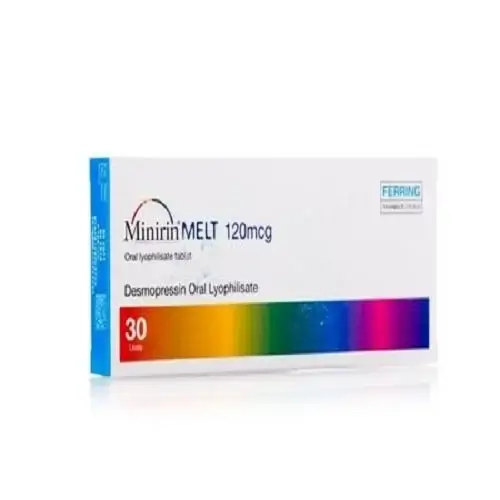
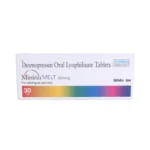
Minirin Melt 120mcg (Desmopressin)
Previous product
Cytomid 250mg (Flutamide)
$13.00 $37.00Price range: $13.00 through $37.00
Next product
Minirin Nasal Spray (Desmopressin)
$14.00 $79.00Price range: $14.00 through $79.00
$61.00 $170.00Price range: $61.00 through $170.00
In Stock
In Stock
Minirin Melt 120mcg (Desmopressin)
| Pack Size | Price | Quantity | Add To Cart | |
|---|---|---|---|---|
| 30 Tablet/s | $61.00 | |||
| 60 Tablet/s | $116.00 | |||
| 90 Tablet/s | $170.00 | |||
| Want to order in bulk / B2B price? Send Inquiry | ||||
×
Sorry!! Out of Stock
Sorry! Minirin Melt 120mcg (Desmopressin) is out of stock
Please click below to view other similar medications.
View All Desmopressin Products
Offer You Can't Resist
Free Shipping
Enjoy Free Shipping on Orders above AUD304 (USD199)
Estimate Shipping :
07 June - 14 June
50
Last Updated on April 25, 2026

Description
Minirin Melt 120mcg (Desmopressin): Effective Management of Diabetes Insipidus and Bedwetting
Desmopressin, which is sold under the brand name Minirin Melt 120 mcg it is a synthetic derivative of vasopressin’s natural hormone (also named antidiuretic hormone, ADH). It plays an essential role in the management of conditions that are characterized by a high thirst and excessive urination.
This article explains all you should be aware of about Minirin Melt milligrams — how it functions as well as what it is used for, dose guidelines, adverse reactions, and precautions to ensure the safest use.
What is Minirin Melt 120 mcg?
Minirin Melt, an orodispersible tablet formulation made from Desmopressin Acetate, that is that is designed to dissolve rapidly when swallowed without the need for drinking water. This formula is especially suitable for adults and children with difficulty swallowing tablets or who require fast absorption.
Desmopressin is akin to the actions of vasopressin, which is naturally occurring, helping the kidneys to conserve fluid and lessen the volume of urine.
How Does Desmopressin Work?
Desmopressin works primarily in the kidneys through binding V2 receptors within the renal collecting ducts. This triggers the entry of water channels referred to as aquaporins within cell membranes. They allow water to get absorbed into the bloodstream.
The result is:
- Decreased urine output
- More concentrated urine
- Reduced excessive thirst
In contrast to natural vasopressins, Desmopressin is not a major influence on blood vessels or blood coagulation. This makes it a safer choice to use for medical purposes.
Indications: What Conditions Does Minirin Melt Treat?
Minirin Melt 120 mg is recommended for a variety of situations:
- Central Diabetes Insipidus (CDI):
An illness caused by an insufficient natural vasopressin, which causes excessive urine production (polyuria) and an intense thirst (polydipsia). Desmopressin can replace the hormone missing.
- Nocturnal Enuresis (Bedwetting):
For children ages 6 or older, Minirin Melt helps reduce the amount of urine produced at night and helps improve the control of bedwetting.
- Other Uses:
It is sometimes prescribed off-label to treat bleeding disorders, such as Von Willebrand’s Disease, because of its mild impact on the clotting factor, although it is rarer in oral variants.
How to Take Minirin Melt 120 mcg
- The tablet can be put on the tongue and left to dissolve in the absence of the use of water.
- In the case of the treatment of diabetes insipidus, dosage is determined individually and is often low at first but then increased or decreased based on the output of urine and other symptoms.
- To treat nightwetting it is usually administered every night before the time of bed.
- Do not drink too much fluid when taking desmopressin, to decrease the chance of developing loss of water and levels of sodium in the blood (hyponatremia).
- Follow your physician’s directions strictly.
Dosage Guidelines
Central Diabetes Insipidus:
- The initial dose could be as low as 120 mg once or two times daily.
- The amount of urine you drink should be adjusted based on your volume and signs.
- A maximum dose is usually not exceeded 240 mcg per day.
Nocturnal Enuresis:
- It is usually 120 mg taken once per day in the evening before bed.
- It can range from several weeks to several months based on the reaction.
Possible Side Effects
Although generally tolerated, Minirin Melt can cause negative side effects:
Common Side Effects:
- Headache
- Mild abdominal cramps
- Nausea
- Nasal congestion (less common with oral form)
Serious Side Effects (Rare):
- Hyponatremia (low sodium): Can cause nausea, headache, confusion, and seizures. Medical attention is required immediately.
- Allergic reactions: Rash, itching, swelling, difficulty breathing.
- Swelling due to water retention or weight increase.
Important Precautions
- Fluid restriction: It is essential to take desmopressin after you have taken it in order to ensure that you do not get water toxicity.
- Monitor sodium levels: The regular testing of blood is required.
- Is not recommended for a kidney patient with kidney disease without a doctor’s guidance.
- Do not uses in conjunction with other drugs that can affect the water balance and sodium levels, unless monitored.
- Consult your doctor if you’re pregnant or breastfeeding.
Tips for Using Minirin Melt Safely
- Dose at the same time throughout the day if taking daily doses.
- Do not exceed prescribed dose.
- Show symptoms such as constant headaches, confusion, or swelling.
- Regularly monitor the effectiveness of treatment and any adverse effects.
- Keep tablets in the manner prescribed, typically in a cool, dry place away from humidity.
Frequently Asked Questions (FAQs)
Can children use Minirin Melt?
Yes, it is true, especially in the case of bedding wetting, but only with medical surveillance.
How quickly does Minirin Melt work?
A decrease in urine output may be observed within a couple of hours following the administration of.
Can I drink fluids normally after taking the tablet?
No, it is not recommended that fluid intake be restricted for a few hours following the dose to avoid hyponatremia.
What happens if I miss a dose?
Do it as quickly as you can remember, unless just before the next dose. Be sure not to double-dose.
Is Minirin addictive?
No, It doesn’t create dependency.
Conclusion
Minirin Melt 120 mcg (Desmopressin) is a secure and efficient treatment for problems such as central diabetes insipidus as well as nocturnal anuria. The convenient formulation that melts in the mouth allows for easy use, particularly for kids or patients who are unable to swallow pills.
Make sure to use Minirin Melt under the supervision of a medical professional. Be sure to follow the strict prescriptions for dosing, stay attentive to the intake of fluids, and monitor for safe and efficient treatment.
Additional Information
| Manufacturer | Ferring Pharmaceuticals |
|---|---|
| Pharmaceutical | Tablet/s |
| Strength | 120mcg |
| Pack SIze | 30 Tablet/s,60 Tablet/s,90 Tablet/s |
Related products
Recently Viewed

Reviews
There are no reviews yet.