

Mikacin injection 100mg (Amikacin)
Previous product
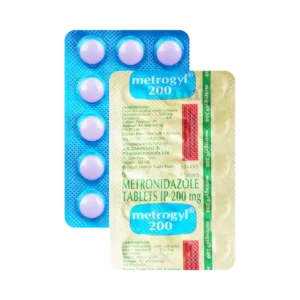
Metrogyl 200mg (Metronidazole)
$15.00 $45.00Price range: $15.00 through $45.00
Next product
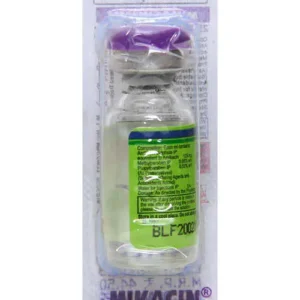
Mikacin injection 250mg (Amikacin)
$42.30 $123.20Price range: $42.30 through $123.20
$25.70 $74.80Price range: $25.70 through $74.80
In Stock
In Stock
Mikacin injection 100mg (Amikacin)
| Pack Size | Price | Quantity | Add To Cart | |
|---|---|---|---|---|
| 10 Injection | $25.70 | |||
| 20 Injection | $50.40 | |||
| 30 Injection/s | $74.80 | |||
| Want to order in bulk / B2B price? Send Inquiry | ||||
×
Sorry!! Out of Stock
Sorry! Mikacin injection 100mg (Amikacin) is out of stock
Please click below to view other similar medications.
View All Amikacin Products
Offer You Can't Resist
Free Shipping
Enjoy Free Shipping on Orders above AUD304 (USD199)
Estimate Shipping :
18 June - 25 June
29
Last Updated on April 25, 2026

Description
Introduction
Mikacin injection, also known as Amikacin, is an aminoglycoside antibiotic used to treat serious illnesses caused by Gram-negative bacteria. The formulation of 100 mg permits precise dosage, which is particularly important in the management of illnesses where intramuscular or intravenous administration is necessary.
Pharmacology and Mechanism of Action
Amikacin is an aminoglycoside, which includes antibiotics. They inhibit the bacteria’s protein production because they bind irreversibly with the 30S subunit in bacterial ribosomes. The binding blocks the initiation complex that initiates the synthesis of peptides, confusing the interpretation of mRNA, and eventually leads to the deficiency of cell membranes of bacterial cells, and eventually to destruction. Amikacin is bactericidal and exhibits concentration-dependent killing, meaning its efficacy depends on achieving high peak serum concentrations relative to the minimal inhibitory concentration (MIC) of the target bacteria.
It’s especially effective against Gram-negative aerobic bacteria, including Pseudomonas aeruginosa, Escherichia coli, Klebsiella pneumoniae, and Proteus species. Additionally, it has the ability against Gram-positive bacteria as well as mycobacteria.
Indications
Mikacin injection 100 mg is typically prescribed for serious illnesses that are caused by susceptible strains of bacteria in cases where oral antibiotic therapy is inadequate or ineffective. The indications are:
- Severe systemic infections such as septicemia (blood infections)
- Infections of the respiratory tract, such as pneumonia, are due to vulnerable bacteria
- Urinary tract infections (complicated or pyelonephritis)
- Bone and joint infections
- Intra-abdominal infections
- Skin and soft tissue infections
- Bacterial meningitis
- Endocarditis
- Burn infections
- Antibiotics to prevent severe infections among immunocompromised patients
Because of its wide range of action, amikacin is usually reserved for bacterial infections that are resistant to tobramycin and gentamicin, and when the antibiotics are contraindicated.
Dosage and Administration
Dosing for mikacin injection differs based on the severity of the disease, the function of the patient’s kidneys, as well as other factors that affect the patient’s clinical condition.
Typical dosing guidelines:
- Adults: The usual dose is 7.5 mg/kg over 12 hours, or 15 mg/kg daily via an intravenous (IV) as well as intramuscular (IM) injection.
- Pediatrics: 15 mg/kg/day split every 8-12 hours based on the severity of infection.
- Elderly and patients with renal impairment: Adjusting dosage based on the clearance of creatinine and monitoring for therapeutic drugs.
Route of administration:
- Infusion or intravenous injection (slowly for 30 mins) is the preferred method for treating general infections.
- Injections into the intramuscular area are utilized to access IVs when it isn’t accessible.
Monitoring:
Because of the limited therapeutic index for aminoglycosides, the monitoring of therapeutic drugs (TDM) is vital. The serum levels of peak and trough are important to monitor for toxicities and to ensure that treatment is effective.
Pharmacokinetics
- Absorption: It is not absorbed through the oral route; it requires the administration of a parenteral medication.
- Distribution: The protein is abundantly present within the extracellular fluid, but with poor permeation into cerebrospinal fluid (CSF) except when the meninges are inflamed.
- Metabolism: Unmetabolized, excreted similarly by the kidneys.
- Elimination half-life: Around 2-3 hours in those with normal kidney function.
- Excretion: Primarily, renal. Dosage adjustment is required for renal impairment.
Side Effects and Toxicity
Amikacin may be a good choice, but there are risks of toxicity, particularly due to its impact on the kidneys as well as the ears. Some of the most serious adverse reactions include:
- Nephrotoxicity: Kidney problems are manifested in increased serum creatinine levels and a decrease in the glomerular filtration rate (GFR). Most often, it is reversible when stopped, but it could be extremely severe.
- Ototoxicity: Abrasions to the auditory (hearing loss) and vestibular (balance) branches of the 8th cranial nerve. This can lead to tinnitus, vertigo, and loss of hearing, and vertigo. This toxicity may be irreversible.
- Neuromuscular blockade: It is rare, however, it can result in muscular weakness or depression of the respiratory system, particularly when it is coupled with other neuromuscular blockers.
- Hypersensitivity reactions: Rash, fever, and anaphylaxis (rare).
- Other: Headache, nausea, vomiting, and rash.
Contraindications and Precautions
- Contraindications:
- A known hypersensitivity reaction to amikacin or other aminoglycosides.
- Hearing loss that is pre-existing or vestibular disorder should be taken with caution.
- Averting patients who have myasthenia gravis and neuromuscular diseases.
- Precautions:
- The condition of renal impairment demands an attentive dose adjustment as well as monitoring.
- Check for any indications of nephrotoxicity and ototoxicity frequently while receiving the course of treatment.
- Do not use concurrently other drugs that are nephrotoxic or toxic, like loop diuretics, vancomycin, and cisplatin.
- Do not use during pregnancy unless necessary, since aminoglycosides could be absorbed through the placenta and result in harm to the fetus.
- It is not generally recommended to breastfeed for treatment.
Drug Interactions
- The risk of increased nephrotoxicity and the risk of ototoxicity are increased when you use different nephrotoxic medications (e.g., amphotericin B or cisplatin, vancomycin).
- Increased neuromuscular blockade using muscle relaxants for skeletal muscle.
- Furosemide and diuretics can increase the toxicity of aminoglycosides.
Clinical Monitoring and Patient Counseling
The patients receiving the injection of Mikacin are closely watched by:
- Renal function tests: Serum creatinine, BUN, and urine output.
- Audiometry tests: To detect ototoxicity early, particularly for long-term treatment.
- Serum drug levels: For ensuring therapeutic concentration, not exceeding dangerous levels.
Patient counseling points:
- Inform patients of possible adverse effects such as hearing loss and dizziness. Also, be aware of ear ringing.
- Be sure to notify any signs of balance or hearing problems immediately.
- Be sure to emphasize the importance of adhering to the dosing schedule, and the importance of following-up appointment for monitoring.
Resistance
Amikacin is generally more resistant to enzymatic inactivation by bacterial aminoglycoside-modifying enzymes compared to other aminoglycosides such as gentamicin. But, it is possible for resistance to develop by a variety of mechanisms, including altering the enzyme, reducing permeability, or the efflux pump within bacteria. This is why its use is typically reserved for conditions that are resistant to aminoglycosides from other aminoglycosides or beta-lactams.
Summary
Mikacin injection 100 mg (Amikacin) is an extremely potent aminoglycoside anti-infective that is primarily used to treat acute, hospital-acquired, and resistant infections caused by bacteria. The efficacy of the drug rests in its ability to reduce the synthesis of proteins by bacteria, which leads to bactericidal action against all Gram-negative bacteria. Even though it’s effective, amikacin needs to be utilized with caution because of the possibility of ototoxicity and nephrotoxicity. A proper dosage, monitoring for therapeutic drugs, as well as surveillance of the clinical environment, are vital in order to maximise benefits and reduce the risk. This is a crucial option to protect against pathogens that are resistant to antibiotics.
Related products








Recently Viewed


Reviews
There are no reviews yet.