

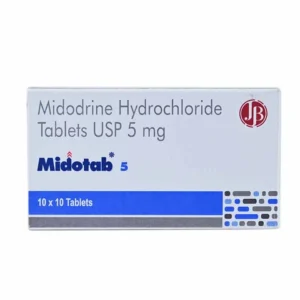
Midorise 5mg (Midodrine)
Previous product

Metsmall 500mg SR (Metformin)
A$65.00 A$240.00Price range: A$65.00 through A$240.00
Next product
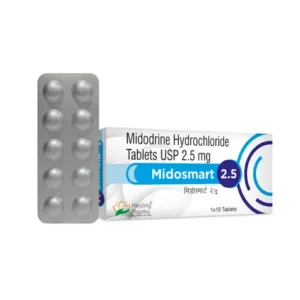
Midosmart 2.5mg (Midodrine)
A$43.00 A$108.00Price range: A$43.00 through A$108.00
A$90.00 A$297.00Price range: A$90.00 through A$297.00
In Stock
In Stock
Midorise 5mg (Midodrine)
| Pack Size | Price | Quantity | Add To Cart | |
|---|---|---|---|---|
| 30 Tablet/s | A$90.00 | |||
| 60 Tablet/s | A$165.00 | |||
| 120 Tablet/s | A$297.00 | |||
| Want to order in bulk / B2B price? Send Inquiry | ||||
×
Sorry!! Out of Stock
Sorry! Midorise 5mg (Midodrine) is out of stock
Please click below to view other similar medications.
View All Midodrine Products

Offer You Can't Resist
Free Shipping
Enjoy Free Shipping on Orders above AUD304 (USD199)
Estimate Delivery :
11 September - 18 September
24
Secure Packaging
My order was packaged carefully and arrived in good condition. The whole process was handled professionally, and communication was excellent. Thank you for the great service
 Australia
August 18, 2026
Last Updated on April 25, 2026

Description
Introduction
Low blood pressure (hypotension) may result in fainting, dizziness, and fatigue that can significantly affect your daily activities. If lifestyle modifications are not enough, medication options such as Midorise 5 mg, which contains its active ingredient Midodrine is used to increase blood pressure and alleviate symptoms.
Midodrine can be particularly beneficial to treat orthostatic hypotension – a disorder in which blood pressure falls when standing up, which can cause fainting and dizziness. In this article, we’ll look at the basics of what Midorise is and how it functions, the benefits and dosage recommendations, as well as side effects, and the precautions to take.
What is Midorise 5mg?
Midorise is a drug that contains midodrine hydrochloride, an anti-inflammatory drug that works by reducing blood vessels and thus increasing blood pressure. It’s a vasopressor that belongs to the category of alpha-1 adrenergic antagonists.
The drug is usually used to treat patients with asymptomatic low blood pressure, specifically orthostatic hypotension. This is when blood pressure decreases rapidly when standing.
How Does Midodrine Work?
Midodrine works on the alpha-1 adrenergic receptors that are located within the walls of blood vessels. When these receptors are activated, they cause the blood vessels to narrow (narrow) that results in:
- Increases vascular resistance
- Raises blood pressure
- Enhances the blood flow to the brain and vital organs. Decreasing symptoms such as dizziness or fainting.
Due to its specific targeting of blood vessels in the peripheral region, Midodrine effectively counters the blood that accumulates in the legs when sitting.
Uses and Indications of Midorise 5mg
Midorise 5mg is primarily used for:
- Orthostatic Hypotension
It can prevent dizziness as well as fainting events caused by sudden changes in blood pressure while standing.
- Autonomic Dysfunction
In cases where the autonomic nervous system is unable to effectively regulate blood pressure, such as in diabetes neuropathy, Parkinson’s disease, or other conditions.
- Other off-label uses
Sometimes it is prescribed to treat other ailments with low blood pressure. This is done under medical surveillance.
How to Take Midorise 5mg
Dosage
- The most common starting dose is 5 mg 3 times per day.
- The final dose must be administered at least four hours before bedtime to avoid hypertension while sleeping (supine hypertension).
- Your physician may alter the dosage according to the response of your body and how you tolerate it.
Administration Tips
- Begin with a full glass of filtered water.
- It can be consumed either with or without meals.
- Do not lie down right away following the use of the medicine.
- Be sure to follow the doctor’s advice.
Benefits of Midorise
- Effective in increasing blood pressure for patients suffering from orthostatic hypotension.
- Reduces symptoms like dizziness, lightheadedness, and fainting.
- Enhances the quality of life by providing better mobility and more activity.
- The speed of the action is rapid, typically in 30 mins to an hour.
- Aids in preventing accidents and injuries that are related to fainting.
Possible Side Effects
Similar to all drugs, Midorise may cause side effects. They are usually mild and brief. However, some need medical treatment.
Common Side Effects
- The sensation of itching or tingling on the scalp
- Goosebumps or chills
- Urinary frequency increases or an increased urgency
- Elevated blood pressure, especially when lying down
- Headache
Serious Side Effects (Rare)
- Severe hypertension (dangerously high blood pressure)
- Bradycardia (slow heart rate)
- Chest pain or palpitations
- Difficulty breathing
- Allergic reactions (rash, swelling, difficulty breathing)
If you are experiencing serious adverse side effects that are serious, get urgent medical attention.
Precautions and Warnings
- Supine hypertension: Do not take the final dose before bed to avoid excessive blood pressure while you are lying down.
- Kidney or liver disease: Contact your doctor for advice, as dosage adjustments might be necessary.
- Heart conditions: Be cautious when using in patients with heart diseases or arrhythmias.
- Pregnancy and breastfeeding: Speak with your physician before making use of.
- Don’t stop suddenly without consulting with your physician.
Drug Interactions
Midodrine can interact with:
- Other blood pressure medications
- Monoamine oxidase inhibitors (MAOIs)
- Alpha-blockers
- Beta-blockers
- Digitalis
Make sure you inform your doctor of the medications and supplements that you’re taking.
Lifestyle Tips While Using Midorise
- Slowly rise from a lying or sitting position to lessen anxiety.
- Drink plenty of water to maintain blood pressure.
- Beware of alcohol, as it may aggravate hypotension.
- Check your blood pressure frequently.
- Use compression stockings when recommended to increase blood flow.
Frequently Asked Questions (FAQs)
Q1: How quickly does Midorise work?
It usually starts to work in 30-60 minutes after taking the dosage.
Q2: Can I take Midorise at night?
It is generally advised not to take doses before bedtime to avoid hypertension in the supine position.
Q3: What should I do if I miss a dose?
Do it as quickly as you can remember. However, do not take it if you are nearing an hour before the next dose. Avoid double doses.
Conclusion
Midorise 5mg (Midodrine) is a highly effective treatment for orthostatic hypotension, as well as other blood pressure problems. Through the contraction of blood vessels, and preventing fainting and dizziness. It also improves patients’ health and safety as well as health..
But, proper usage under the supervision of a medical professional is crucial to prevent adverse effects such as high blood pressure in the supine position. If you notice any unusual signs or are concerned, contact your doctor immediately.
Disclaimer: This blog is meant for informational purposes only. It is not meant to substitute for expert medical guidance. Consult your doctor prior to beginning or stopping any medications.
Additional Information
| Active Ingredient: | Midodrine |
|---|---|
| Indication: | Low Blood Pressure |
| Manufacturer: | Torrent Pharmaceuticals Ltd. |
| Strength: | 5mg |
| Packaging: | 10 Tablets in 1 Strip |
| Delivery Time: | 7 To 15 days |
Related products









Reviews
There are no reviews yet.