

Medrocan 1000mg Injection (Methylprednisolone)
Previous product
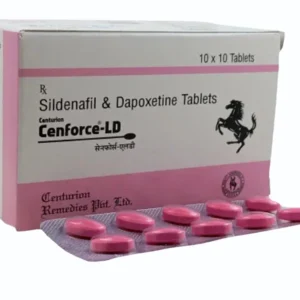
Cenforce LD (Sildenafil/Dapoxetine)
$100.00 $225.00Price range: $100.00 through $225.00
Next product

Vega Oral Jelly (Sildenafil Citrate)
$39.00 $99.00Price range: $39.00 through $99.00
$18.00 $90.00Price range: $18.00 through $90.00
In Stock
In Stock
Medrocan 1000mg Injection (Methylprednisolone)
| Pack Size | Price | Quantity | Add To Cart | |
|---|---|---|---|---|
| 1 Injection | $18.00 | |||
| 3 Injection/s | $49.00 | |||
| 6 Injection/s | $90.00 | |||
| Want to order in bulk / B2B price? Send Inquiry | ||||
×
Sorry!! Out of Stock
Sorry! Medrocan 1000mg Injection (Methylprednisolone) is out of stock
Please click below to view other similar medications.
View All Methylprednisolone Products

Offer You Can't Resist
Free Shipping
Enjoy Free Shipping on Orders above AUD304 (USD199)
Estimate Shipping :
06 June - 13 June
49
Best quality
Quality medicines at reasonable prices. Delivery was faster than expected, and everything arrived in perfect condition.
 Australia
May 24, 2026
Last Updated on April 21, 2026

Description
Introduction
Medrocan 1000mg Injection is a combination of Methylprednisolone, which is a powerful corticosteroid. It is most commonly utilized for its anti-inflammatory and immunosuppressive qualities. The injectable formula is used to treat a range of diseases that cause inflammation, immune responses, and allergic reactions. Medrocan is designed specifically to treat patients who require large dosages of corticosteroids to achieve immediate therapeutic benefits.
What is Methylprednisolone?
Methylprednisolone is an artificial corticosteroid that is similar to the natural hormone cortisol that is made by the adrenal glands. It’s used for treating various ailments that cause an immune system reaction or inflammation, which include autoimmune conditions as well as allergic reactions and inflammatory disorders. Medrocan 1000mg Injection is generally utilized when orally administered corticosteroids are not enough or if a fast time to begin action is needed.
Mechanism of Action
Methylprednisolone works by:
- Reducing inflammation: It prevents the release of compounds inside the body that cause inflammation (like prostaglandins and leukotrienes).
- Suppressing immune responses: Methylprednisolone stops the stimulation of immune cells and decreases the creation of antibodies, which is beneficial in the treatment of autoimmune disorders.
- Modulating gene expression: It affects the expression of particular genes associated with the inflammation process, leading to a decline in the amount of immune function.
Through reducing the immune system and inflammation, Methylprednisolone assists in reducing symptoms like swelling, inflammation, and chronic inflammation.
Indications
Medrocan 1000mg injection is utilized to treat a range of issues, which include:
- Autoimmune diseases: Infections where the immune system is attacking the body, for example, the autoimmune diseases lupus, arthritis rheumatoid arthritis, as well as multiple sclerosis.
- Allergic reactions: Extremely allergic reactions (anaphylaxis), asthma flare-ups, and allergic reactions to the skin.
- Inflammatory conditions: Inflammatory bowel conditions like Crohn’s disease, ulcerative colitis, as well as joint inflammation (e.g., arthritis).
- Skin conditions: Eczema or severe dermatitis that is not responsive to the topical steroids.
- Organ transplantation: To prevent organ rejection.
- Cancer treatment: As a component of chemotherapy regimens used for the treatment of inflammation and symptoms.
- Endocrine disorders: To treat adrenal dysfunction or hormonal imbalance.
- Neurological conditions: Traumas to the spine that cause acute cerebral edema.
Dosage and Administration
The dosage for Medrocan 1000mg injection is dependent on the disease that is being treated, the seriousness of the illness, and the individual patient’s reaction. In general, the injection is administered intravenously or intramuscularly, under the supervision of a medical doctor.
General dosing guidelines:
- Acute conditions: Doses usually can range between 10 and 40 mg per day according to the degree of severity. If the condition is severe, higher dosages (up to 1000 mg) could be administered.
- Chronic conditions: When used to manage long-term dosages could be reduced slowly until the lowest dosage that is effective.
- Inflammatory and autoimmune diseases: The dosage can begin at a high level and gradually decrease according to responses.
It is vital to adjust the dosage in accordance with the patient’s condition. The dosage might need to be gradually reduced (tapered) to reduce the withdrawal signs or symptoms of adrenal insufficiency.
Pharmacokinetics
- Absorption: In the aftermath of injections, Methylprednisolone is rapidly absorbed into bloodstreams.
- Distribution: It’s widely distributed across the human body. This includes the central nervous system.
- Metabolism: Methylprednisolone metabolism occurs in the liver through Cytochrome P450 enzymes.
- Half-life: The half-life for methylprednisolone ranges from approximately 18 to 36 hours, based on the mode of administration.
- Excretion: It is mostly excreted from urine in the form of compounds.
Side Effects
As with all corticosteroids, Medrocan Injection 1000mg could cause a wide range of unwanted side effects, especially during prolonged usage or large dosages. Some of the most frequent side effects include:
- Weight gain (due to fluid retention)
- Increased appetite
- Mood swings, anxiety, or depression
- Insomnia
- Elevated blood sugar levels (which may exacerbate or cause diabetes)
- Increased risk of infections
- Stomach irritation or ulcers (especially if used alongside NSAIDs)
- Hypertension (high blood pressure)
Serious side effects (requiring immediate medical attention):
- Adrenal insufficiency: Symptoms may include fatigue, weakness, and low blood pressure.
- Osteoporosis and fractures: In the long run, prolonged use can cause osteoporosis.
- Cataracts or glaucoma: Long-term use could cause issues with the eyes.
- Severe allergic reactions: Rash, itching, swelling, or difficulty breathing.
- Psychiatric effects: Paranoia, severe mood swings, and psychosis.
Precautions
Before obtaining Medrocan 1000mg injection, these precautions should be taken into consideration:
- Infections: Steroids may increase the susceptibility to illnesses; be cautious in the event of a chronic disease.
- Pregnancy: Medrocan can only be administered in pregnancy if absolutely required because it could be a risk to the placenta, as it can affect fetal growth.
- Breastfeeding: Methylprednisolone is excreted in breast milk. Therefore, it is recommended to use it with caution when nursing.
- Liver and kidney diseases: Methylprednisolone is processed in the liver and then is excreted through the kidneys; therefore, dose adjustments might be required in patients suffering from renal or liver impairment.
- Peptic ulcers: Steroids may increase the chance of stomach ulcers. This is especially true when combined with other drugs, including NSAIDs.
- Bone health: Corticosteroids that are used for long periods of time can cause bone loss; monitoring and bone-protection strategies could be necessary.
Drug Interactions
Medrocan 1000mg injection may be incompatible with other medications, and could increase the chance of adverse effects or diminish the effectiveness of medication:
- NSAIDs (e.g., ibuprofen, aspirin): Risk of bleeding from the gastrointestinal tract and ulcers.
- Diuretics: Increases the chance of electrolyte imbalances, especially low levels of potassium.
- Antidiabetic drugs: Methylprednisolone may increase blood sugar levels, possibly necessitating dose adjustments for diabetic patients.
- Vaccines: Live vaccines might not function more effectively when treated with corticosteroids.
- Anticoagulants (e.g., warfarin): Methylprednisolone is a drug that can enhance or diminish the effectiveness of blood thinners.
- Cytochrome P450 inducers/inhibitors: Certain drugs that alter liver enzymes (e.g., Rifampin, rifampin, and ketoconazole) may alter the metabolism of methylprednisolone.
Monitoring
While taking Medrocan 1000mg injection, consistent surveillance is vital:
- Blood pressure: The use of steroids can raise blood pressure.
- Blood glucose levels: For a check on steroid-induced hyperglycemia.
- Bone density: For long-term use, be able to monitor osteoporosis.
- Signs of infection: Corticosteroids mask symptoms of an infection.
- Electrolyte levels: To avoid imbalances due to diuretics or fluid retention.
Storage
- Storage temperature: Keep at the room temperatures (15–30°C / 59–86°F) and keep it safe from sunlight.
- Shelf life: Make sure to check the expiration date before using; don’t use beyond the expiration date.
- Handling: Make sure that the product is kept out of the access of children. Utilize sterile methods for administration in order to prevent cross-contamination.
Summary Table
| Aspect | Details |
| Drug Name | Medrocan 1000mg Injection (Methylprednisolone) |
| Class | Corticosteroid (Glucocorticoid) |
| Indications | Inflammation, autoimmune diseases, allergic reactions, organ transplantation, cancers |
| Mechanism of Action | Suppresses inflammation and immune response |
| Dosage | Individualized, typically 10-40 mg/day, adjust based on condition |
| Common Side Effects | Weight gain, mood changes, hyperglycemia, infections |
| Serious Side Effects | Adrenal insufficiency, osteoporosis, psychiatric disorders |
| Precautions | Liver/kidney disease, pregnancy, infections, GI ulcers |
| Monitoring | Blood pressure, glucose levels, bone density, infections |
Conclusion
Medrocan 1000mg Injection can be described as an extremely potent corticosteroid that has proven to be extremely effective in dealing with autoimmune and inflammatory diseases. It can provide quick relief and relief from signs and symptoms; it is taken with care due to the possibility of adverse consequences, especially when it is used for long-term treatment. Health professionals keep track of patients receiving this treatment in order to ensure their safety and maximum therapeutic benefits.
Related products


Reviews
There are no reviews yet.