
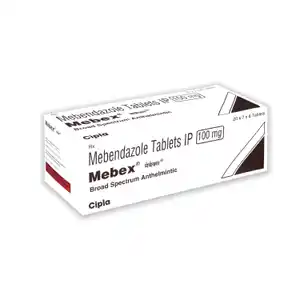
Mebex 100mg (Mebendazole)
Previous product
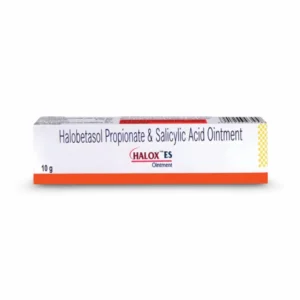
Halox Ointment (Halobetasol)
$17.50 $66.25Price range: $17.50 through $66.25
Next product

Nalsign 50mg (Naltrexone)
$102.00 $195.00Price range: $102.00 through $195.00
$9.20 $22.20Price range: $9.20 through $22.20
In Stock
In Stock
Mebex 100mg (Mebendazole)
| Pack Size | Price | Quantity | Add To Cart | |
|---|---|---|---|---|
| 30 Tablet/s | $9.20 | |||
| 60 Tablet/s | $16.40 | |||
| 90 Tablet/s | $22.20 | |||
| Want to order in bulk / B2B price? Send Inquiry | ||||
×
Sorry!! Out of Stock
Sorry! Mebex 100mg (Mebendazole) is out of stock
Please click below to view other similar medications.
View All Mebendazole Products
Offer You Can't Resist
Free Shipping
Enjoy Free Shipping on Orders above AUD304 (USD199)
Estimate Shipping :
07 June - 14 June
37
Last Updated on April 20, 2026

Description
Introduction
Mebex 100 mg includes Mebendazole, which is an antihelmintic (anti-parasitic) medication that is primarily utilized to treat a variety of intestinal worm infections. The causes of these infections are roundworms, hookworms, whipworms, and other parasite worms. Mebendazole works to eliminate parasites by interfering with their capacity to take in glucose and eventually contributing to their deaths.
What is Mebendazole?
Mebendazole is a broad-spectrum anti-worm medicine belonging to the family of benzimidazoles. It acts by disrupting the metabolic process of parasite worms, stopping them from taking in glucose. In the absence of glucose, parasites can’t create the energy they require to live and reproduce, and die, resulting in their demise. Mebendazole is especially efficient in the fight against intestinal nematodes (roundworms and hookworms, etc.) and even Trematodes (flatworms).
Indications
Mebex 100 mg is indicated for:
- Ascariasis (roundworm infection)
- Trichuriasis (whipworm infection)
- Enterobiasis (pinworm infection)
- Hookworm infections (e.g., Ancylostoma duodenale, Necator americanus)
- Strongyloidiasis (threadworm infection)
- Toxocariasis
- Trichinellosis (caused by the Trichinella species)
- Echinococcosis (for cases of hydatid-related disease and as an add-on to surgical procedures)
Mebendazole is very effective in treating worm infestations in the intestines, as well as certain other organs, depending on the kind of parasite that is involved.
Mechanism of Action
Mebendazole works by:
- Binding to tubulin: It blocks the polymerization process of tubulin, which is a protein that makes microtubules vital to cells’ functionality and structure.
- Disrupting glucose uptake: Inability to create microtubules hinders the parasite’s capacity to absorb glucose vital for energy production.
- Inducing the death of the worms: Without energy to support themselves, end-of-life worms are eliminated from the intestines by normal processes (bowel movement).
Dosage and Administration
The dosage in Mebex 100mg (Mebendazole) depends on the type of parasite being treated.
- For Ascariasis, Hookworm, or Trichuriasis:
- Adults and children over 2 years: A tablet of 100 mg twice a day for three days.
- For Pinworm (Enterobiasis) Infection:
- Adults and children over 2 years: One 100 mg tablet as a single dose. Another dose could be administered a few weeks after to avoid an outbreak.
- For Strongyloidiasis, Toxocariasis, or other less common infections:
- The timing of dosing varies, and the duration of treatment can range from 3 to 7 days.
- For children (under 2 years):
- Talk to a doctor about the issue, as dosages must be adjusted based on the child’s weight.
Administration:
- Mebendazole is generally taken orally and is usually consumed with or without food.
- Tablets should be ingested in their whole form and should not be chewed, crushed, or broken.
Pharmacokinetics
- Absorption: Mebendazole is not well absorbed by the system. The majority of it is absorbed by the digestive tract, which is where it exerts its anti-parasitic actions.
- Metabolism: It is converted in the liver into inactive compounds.
- Excretion: The drug, as well as its metabolites, is eliminated in urine, but with only a small amount of systemic exposure.
- Half-life: The medication has a small half-life. It is usually 3 to 6 hours due to the low absorption.
Side Effects
Common Side Effects:
- Mild gastrointestinal disturbances (nausea, diarrhea, abdominal pain)
- Rash or itching (rare)
- Headache
- Dizziness
Serious Side Effects (rare):
- Liver toxicity (jaundice, elevated liver enzymes)
- Severe allergic reactions (swelling of the face, lips, tongue, or throat)
- Hair loss (rare, usually reversible upon discontinuation)
- Bone marrow suppression (e.g., Agranulocytosis is a rare condition, but it may cause symptoms such as sore throat, fever, and infections)
Precautions and Contraindications
- Pregnancy:
Mebendazole is classed in Category C in pregnancy (animal studies have revealed adverse reactions, but there aren’t enough studies for human beings). This medication should only be taken when the advantages outweigh the risks, especially during the first trimester. - Breastfeeding:
Be cautious when taking Mebendazole during nursing. There is limited evidence suggesting minimal absorption. However, consult your physician before using. - Liver and kidney function:
Patients suffering from kidney or liver diseases should be cautious when using Mebendazole since the medicine may build up in the body. - Allergies to benzimidazoles:
People who have a hypersensitivity to benzimidazole derivatives must steer clear of Mebex. - Bone marrow suppression:
In rare cases, Mebendazole may cause bone marrow suppression. A regular count of blood is performed during treatment for a long time, particularly for patients who are immunocompromised.
Drug Interactions
- CYP450 Inhibitors: Mebendazole is processed by liver enzymes. Drugs that block CYP3A4 (e.g., ketoconazole, Cimetidine) could raise Mebendazole levels in the blood, which could increase the chance of adverse consequences.
- Anticonvulsants: The use of certain epilepsy drugs (e.g., Phenytoin, phenytoin or carbamazepine, etc.) could reduce the effectiveness of Mebendazole by increasing the metabolism of Mebendazole.
- Warfarin (anticoagulants): There’s a possibility of a greater risk of bleeding if Mebendazole is used along with warfarin, as Mebendazole can alter the function of platelets.
Storage
- Keep at room temperature and free of moisture and light.
- Be sure to keep away from youngsters.
- Use the medication only after the date it expires.
Patient Counseling
- Complete the entire regimen of treatment prescribed, regardless of whether symptoms improve prior to the end of the treatment.
- If you miss a dose, get it in as fast as you can remember it or until it’s time to take the next dose. Avoid double doses.
- Maintain proper hygiene in order to avoid infection (e.g. Wash your hands often, scrub sheets and undergarments).
- If you notice any indications of serious negative side effects (e.g., symptoms of liver disease, extreme allergies, or blood disorder), consult your physician immediately.
- Beware of alcohol as well as other toxic substances for the liver during treatment.
Summary
Mebex 100 mg (Mebendazole) is a frequently used drug to treat intestinal worms, such as roundworms and pinworms, as well as hookworms, and other parasites. It does this by destroying the ability of parasites to digest glucose, which leads to their demise. Although it’s generally healthy and safe, it could cause slight stomach-related side effects in certain patients, and caution must be taken in the case of kidney and liver issues. Monitoring and hygiene routines are crucial to ensure an effective treatment and to avoid further infection.
Additional Information
| Manufacturer | Cipla Limited |
|---|---|
| Pharmaceutical | Tablet/s |
| Strength | 100mg |
| Pack Size | 30 Tablet/s , 60 Tablet/s , 90 Tablet/s |
Related products




Recently Viewed
Reviews
There are no reviews yet.