

Lulifin Cream 50g (Luliconazole)
Previous product
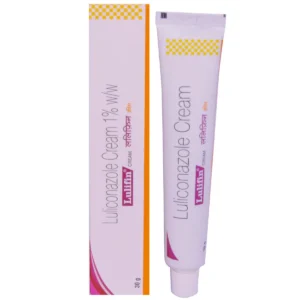
Lulifin Cream 30g (Luliconazole)
A$15.00 A$82.00Price range: A$15.00 through A$82.00
Next product
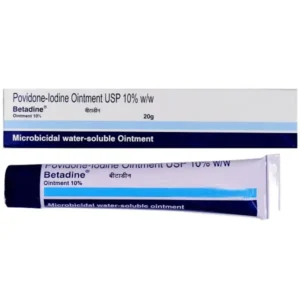
Betadine Ointment
A$4.00 A$14.00Price range: A$4.00 through A$14.00
A$20.00 A$105.00Price range: A$20.00 through A$105.00
In Stock
In Stock
Lulifin Cream 50g (Luliconazole)
| Pack Size | Price | Quantity | Add To Cart | |
|---|---|---|---|---|
| 1 Tube | A$20.00 | |||
| 3 Tube/s | A$55.00 | |||
| 6 Tube/s | A$105.00 | |||
| Want to order in bulk / B2B price? Send Inquiry | ||||
×
Sorry!! Out of Stock
Sorry! Lulifin Cream 50g (Luliconazole) is out of stock
Please click below to view other similar medications.
View All Luliconazole Products
Offer You Can't Resist
Free Shipping
Enjoy Free Shipping on Orders above AUD304 (USD199)
Estimate Shipping :
22 July - 29 July
48
Professional
Very professional online pharmacy with great customer support and fast delivery
 Australia
June 25, 2026
Last Updated on April 19, 2026

Description
Lulifin Cream 50g (Luliconazole): Effective Treatment for Fungal Skin Infections
Skin fungal infections like athlete’s foot or ringworm, as well as jockitch are all common conditions that affect millions of people across the globe. The symptoms can be itchy or uncomfortable and can persist if they are not properly treated. Today’s antifungal creams, such as Lulifin Cream 50g, are creams that contain Luliconazole, the main ingredient, which offers effective relief and a quick cure
In this article, we’ll go over everything you should be aware of regarding Lulifin Cream, the way it functions, what ailments it addresses, and how you can use it in a safe manner to get the best outcomes.
What is Lulifin Cream?
Lulifin Cream is a cream-based antifungal that has Luliconazole with a typical concentration of 1%. Luliconazole falls under the category of antifungals containing azole that work in preventing the proliferation of fungi in the skin.
It’s used for treating the symptoms of a range of fungal diseases caused by dermatophytes, molds, and yeasts.
How Does Luliconazole Work?
Luliconazole acts by preventing the production of Ergosterol, which is a vital element of the membranes of fungal cells. Without ergosterol, the membrane of fungal cells becomes fragile and porous, leading to the demise of fungal cells.
This specific action is aimed at stopping the spread of infections. It also assists in removing symptoms like redness, itching, and swelling.
Indications: What Conditions Does Lulifin Treat?
The Lulifin cream is often used to treat:
- Tinea corporis (ringworm of the body)
- Tinea cruris (jock itch)
- Tinea pedis (athlete’s foot)
- Tinea versicolor (a yeast infection causing discolored patches)
- Cutaneous candidiasis (skin yeast infections)
It’s effective against an array of fungi that can cause diseases.
How to Use Lulifin Cream
To get the best results, you should follow these guidelines:
- Dry and clean the region completely prior to application.
- Spread a thin layer of Lulifin Cream onto the affected area and 1 cm above the border of the lesions.
- Rub it gently until it is completely absorbed.
- Do this once or two times a day according to the prescription of your physician.
- Maintain the treatment to the maximum duration suggested; no matter if the symptoms get better in the beginning, so that you can avoid repeat episodes.
- Be sure to cover the affected area with airtight dressings, unless recommended by your physician.
Dosage and Duration
- Most of the time, Lulifin Cream is applied every day.
- The length of time depends on the nature of the infection:
- Tinea corporis and cruris: Typically 2 weeks
- Tinea pedis: Often 4 weeks
- Tinea versicolor: Usually 2 weeks
- Be sure to follow the doctor’s directions concerning the duration of your treatment.
Precautions and Safety
- Beware of contact with the mouth, eyes, or mucous membranes.
- Don’t use it for open wounds or damaged skin, unless recommended by a doctor.
- Tell your physician if you are prone to allergies to antifungals containing azole or other medications.
- If you are experiencing symptoms or warning signs, such as a rash, itching, trouble breathing, or swelling, discontinue use right away and consult a physician.
- It is not recommended to use it in youngsters under a certain age unless otherwise prescribed.
Possible Side Effects
Although Lulifin Cream is generally well-liked, some may have:
- A mild burning or stinging sensation at the location of application
- Redness or irritation
- Dryness or peeling
- Allergic contact dermatitis (rare)
If symptoms persist or get worse, you should consult your physician.
Tips for Effective Treatment
- Make sure you are clean and keep the area in good condition.
- Switch out socks, clothing, and underwear regularly.
- Beware of sharing towels, clothing, or shoes in order to minimize the possibility of the spread of infection.
- Make sure you wash your hands immediately after applying the cream.
- Spray or powder for antifungal use inside socks or shoes if you are prone to developing athlete’s foot.
- Beware of excessive sweating and accumulation of moisture in the affected zone.
When to See a Doctor
- If there isn’t any improvement within 2 weeks of treatment
- If the infection becomes worse or spreads
- If you have extreme negative side effects
- If the condition recurs often, it could be a sign of an issue that is underlying.
Why Choose Lulifin Cream?
- Potent antifungal effect: It targets fungi effectively.
- Convenient application: Daily use of the product increases conformity.
- Fast relief: It helps reduce redness and itching rapidly.
- Broad spectrum: Effective against various fungal species.
- Well-tolerated: Very few side effects are experienced by most users.
Conclusion
Lulifin Cream 50g is a reliable and efficient antifungal remedy that can assist you in fighting common skin fungal diseases. The active ingredient in the cream, Luliconazole, offers potent antifungal effects with an easy treatment regimen.
If you experience symptoms that suggest a fungal infection, like redness, itching, or scaling, don’t put off the treatment. Ask your physician about the possibility of Lulifin Cream being right for you. Follow their recommendations precisely to achieve the greatest results.
Disclaimer: This blog is intended for informational purposes only. It’s not intended to replace professional medical guidance. Always consult with your doctor prior to starting any new procedure.
Additional Information
| Manufacturer | Sun Pharmaceutical Industries Ltd |
|---|---|
| Pharmaceutical | Cream |
| Strength | 50 gm |
| Pack Size | 1 Tube, 3 Tube/s, 6 Tube/s |
Related products

Reviews
There are no reviews yet.