
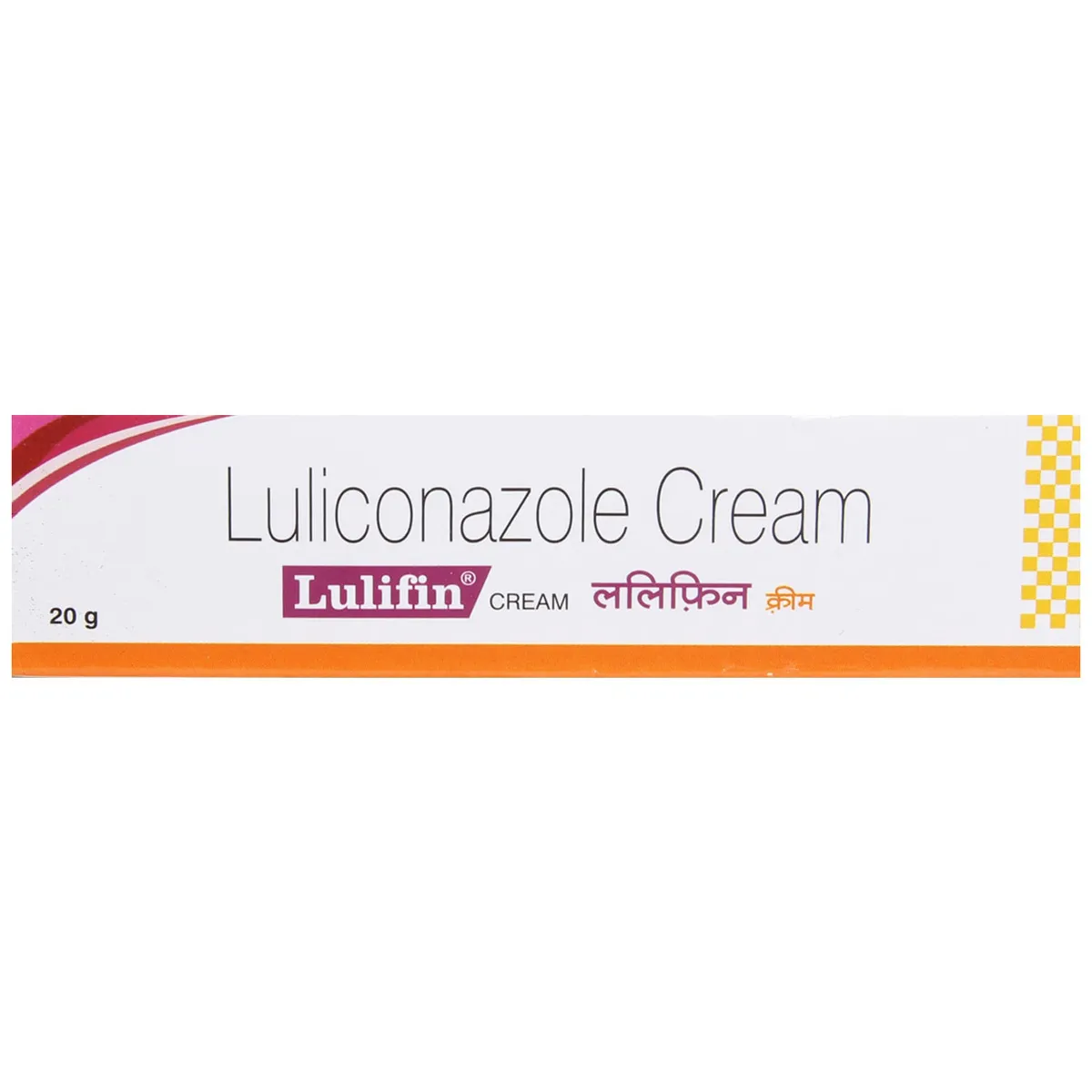
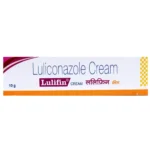
Lulifin Cream 20g (Luliconazole)
Previous product
Lulifin Cream 10g (Luliconazole)
A$10.11 A$54.87Price range: A$10.11 through A$54.87
Next product
Lulifin Cream 30g (Luliconazole)
A$21.66 A$118.41Price range: A$21.66 through A$118.41
A$17.33 A$96.75Price range: A$17.33 through A$96.75
In Stock
In Stock
Lulifin Cream 20g (Luliconazole)
| Pack Size | Price | Quantity | Add To Cart | |
|---|---|---|---|---|
| 1 Tube | A$17.33 | |||
| 3 Tube/s | A$50.54 | |||
| 6 Tube/s | A$96.75 | |||
| Want to order in bulk / B2B price? Send Inquiry | ||||
×
Sorry!! Out of Stock
Sorry! Lulifin Cream 20g (Luliconazole) is out of stock
Please click below to view other similar medications.
View All Luliconazole Products
Offer You Can't Resist
Free Shipping
Enjoy Free Shipping on Orders above AUD304 (USD199)
Estimate Shipping :
20 July - 27 July
41
Last Updated on April 19, 2026

Description
Introduction
Lulifin cream 20g has Luliconazole, an antifungal topical medicine belonging to the imidazole group. It’s used extensively for treating superficial fungal infections that affect the skin due to yeasts and dermatophytes. Luliconazole’s antifungal properties are potent and have a wide range of activity, which makes it highly effective against a variety of fungal species.
What is Luliconazole?
Luliconazole is an imidazole antifungal drug that was specifically designed for use in the topical area. It acts by preventing the production of ergosterol, which is a key ingredient in the membranes of fungal cells. It increases membrane permeability and eventually causes fungal cell destruction.
Luliconazole is highly regarded for its speedy action and powerful effectiveness against Dermatophytes (fungi which cause skin irritations) as well as Candida species (yeasts).
Indications and Uses
Lulifin Cream can be used to treat the treatment of:
- Tinea infections: For example, tinea corporis (ringworm in the body), tinea cruris (jock itches), and tinea pedicis (athlete’s feet).
- Cutaneous candidiasis: Infections of the skin caused by Candida species.
- Other superficial fungal infections: Similar to pityriasis vericolor, caused by Malassezia species.
The cream can be used topically to eliminate fungal infections and reduce swelling, redness, itching, and irritation.
Mechanism of Action
Luliconazole impedes the activity of lanosterol 14α-demethylase, which is essential in the biosynthesis process of ergosterol. Ergosterol helps maintain the integrity of fungal cell membranes and functionality. By inhibiting its production, it damages the fungal membrane, leading to loss of the contents of cells and fungal cell death.
This creates Luliconazole fungicidal (kills the fungi) against dermatophytes as well as fungistatic (stops development) against a few yeasts.
Dosage and Administration
- Adults and children (above 12 years): Spread a thin layer of Lulifin Cream on the affected area each day.
- The time frame for treatment differs depending on the kind of disease:
- For tinea corporis and cruris: usually 2 weeks.
- For tinea pedis: Generally, it takes 4 weeks.
- For candidiasis or other infections: follow the doctor’s advice.
- Clean and dry the affected area thoroughly before applying.
- Do not cover the site using occlusive dressings, unless advised by a doctor.
- Don’t apply it to your eyes, mouth, or mucous membranes.
Precautions and Contraindications
- Hypersensitivity: Do not use if you are sensitive to Luliconazole or other components in the cream.
- Open wounds or severe skin conditions: Be cautious or stay clear of.
- Pregnancy and breastfeeding: Only use if necessary and if prescribed by a healthcare physician.
- Avoid contact with eyes: If contact is accidental Cleanse thoroughly using water.
- Do not use on mucous membranes: The cream is intended for use on the skin only.
Side Effects
Lulifin Cream is very well-liked. Certain users might experience:
- The sensation of burning or stinging is mild in the area of application.
- Redness or itching.
- Dryness or peeling of skin.
- Allergic contact dermatitis (rare).
- Rash or swelling (rare).
If extreme irritation or symptoms of an allergy develop, stop the use and speak with a medical professional.
Drug Interactions
Topical Luliconazole does not have significant absorption in the system, which means that significant drug interactions are highly unlikely. Be sure to inform your doctor of any other treatments for topical use that you’re taking to minimize reactions or incompatibility.
Storage
- Keep Lulifin Cream at ambient temperatures (20-25°C).
- Make sure the tube is tightly sealed and away from the reach of youngsters.
- Beware of excessive moisture and heat.
Patient Counseling Information
- It is important to instruct your patients to use the lotion on the affected skin areas.
- Make it clear that you must complete all of the treatment to stop repeat incidences.
- Do not share the cream with other people in order to minimize the chance of spread.
- Make sure you maintain good hygiene at home and ensure that the area affected is clear and dry.
- Patients should inform their doctor about any adverse side effects or any allergic reactions.
Advantages of Luliconazole
- Once-daily application: Improves patient compliance.
- Rapid action: Affective fungal elimination with a short treatment time.
- Broad-spectrum activity: It is effective against yeasts, dermatophytes, and some moulds.
- Good safety profile: Very few side effects from the application of topical creams.
Summary
Lulifin Cream 20g (Luliconazole) is a highly effective broad-spectrum antifungal cream that is used to treat a variety of minor fungal conditions of the skin. Its distinctive mechanism that targets the biosynthesis of ergosterol, coupled with the daily dose, makes it an efficient and effective alternative for fungal skin conditions.
Additional Information
| Manufacturer | Sun Pharmaceutical Industries Ltd |
|---|---|
| Pharmaceutical | Cream |
| Strength | 20 g |
| Pack Size | 1 Tube, 3 Tube/s, 6 Tube/s |
Related products

Recently Viewed
Reviews
There are no reviews yet.