
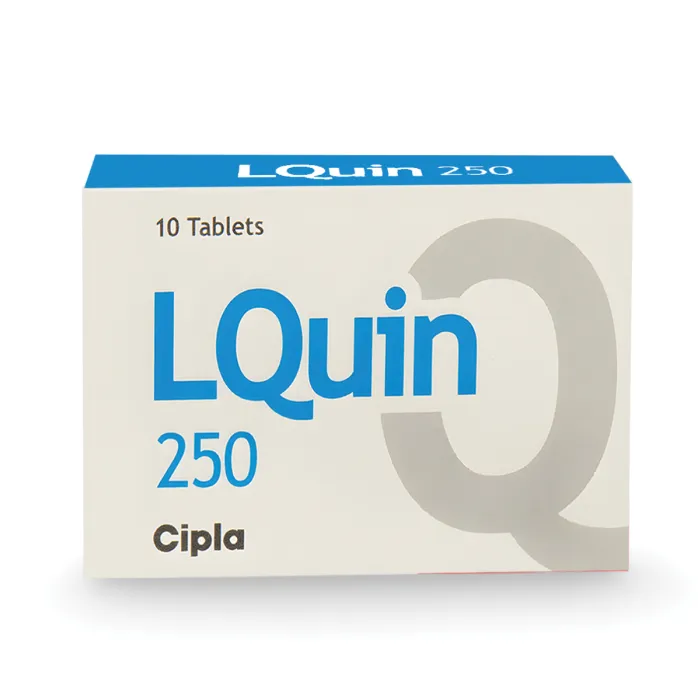
LQuin 250mg (Levofloxacin)
Previous product
Aldol 400mg (Albendazole)
A$15.00 A$57.00Price range: A$15.00 through A$57.00
Next product
Esval-Sure 2mg (Estradiol)
A$100.00 A$360.00Price range: A$100.00 through A$360.00
A$16.00 A$31.00Price range: A$16.00 through A$31.00
In Stock
In Stock
LQuin 250mg (Levofloxacin)
| Pack Size | Price | Quantity | Add To Cart | |
|---|---|---|---|---|
| 60 Tablet/s | A$16.00 | |||
| 90 Tablet/s | A$24.00 | |||
| 120 Tablet/s | A$31.00 | |||
| Want to order in bulk / B2B price? Send Inquiry | ||||
×
Sorry!! Out of Stock
Sorry! LQuin 250mg (Levofloxacin) is out of stock
Please click below to view other similar medications.
View All Levofloxacin Products

Offer You Can't Resist
Free Shipping
Enjoy Free Shipping on Orders above AUD304 (USD199)
Estimate Delivery :
15 October - 22 October
47
Great customer service
Great customer service and a straightforward ordering process. I’m very satisfied
 Australia
September 28, 2026
Last Updated on April 19, 2026

Description
Introduction
LQuin 250 mg is a drug that contains Levofloxacin, an antibiotic with a broad spectrum that belongs to the class of fluoroquinolones. It’s utilized for treating a variety of bacterial diseases, such as respiratory tract infections, urinary tract infections, and many others. Levofloxacin is an active L-isomer of ofloxacin. It offers increased potency as well as improved pharmacokinetics.
LQuin is usually prescribed if bacteria are identified or suspected to be the cause of infection. However, it’s not helpful against viral infections like the common cold and flu.
What is Levofloxacin?
Levofloxacin is a synthetic antibacterial drug that interferes with the replication of DNA in bacterial cells. It’s efficient against Gram-positive and Gram-negative bacteria, so it is a viable option for various settings in the clinic.
LQuin 250 mg is often prescribed to treat milder infections or patients who require a smaller dose because of renal deficiency or other medical issues.
Uses and Indications
LQuin 250mg is widely utilized to treat the following infection with a bacterium:
- Respiratory Tract Infections
- Acute sinusitis
- Acute exacerbation of chronic bronchitis
- Community-acquired pneumonia (mild to moderate)
- Urinary Tract Infections (UTIs)
- Acute uncomplicated UTI
- Complicated UTI
- Pyelonephritis (kidney infection)
- Skin and Soft Tissue Infections
- Gastrointestinal Infections
- Traveler’s diarrhea
- Infections caused by E. coli and other susceptible organisms
- Prostatitis (bacterial)
- Post-exposure prophylaxis for anthrax
The amount and duration of treatment are determined by the severity and type of the disease, in addition to the patient’s weight, age, and kidney function.
Mechanism of Action
Levofloxacin is a drug that inhibits the DNA gyrase of bacterial cells as well as the topoisomerase IV enzymes, which are vital to regulate transcription, replication, repair, and Recombination. The disruption causes bacterial cells to die.
Contrary to antibiotics, which target the cell wall or protein production, fluoroquinolones interfere directly with the DNA of bacteria and are therefore extremely powerful — and an explanation for why they should be handled with care to prevent resistance.
Dosage and Administration
Normal Adult Dose of LQuin 250 mg:
- Most commonly, you take it every day in combination, whether or not food is included.
- Take the tablet as a whole, swallowing it in water. Do not chew or crush the tablet.
- Get plenty of fluids and remain hydrated during the treatment.
The duration of treatment could be between 3 and 14 days based on the disease.
Dose adjustments could be required in patients who suffer from renal impairment. Therefore, renal function must be checked before beginning therapy.
Pharmacokinetics
- Absorption: Fast and almost complete following oral administration.
- Bioavailability: ~99%, which means dosages for IV and oral are usually interchangeable.
- Peak Plasma Time: 1–2 hours post-dose.
- Distribution: The body’s tissues are aplenty of them, particularly in the lungs, urinary tracts, and sinuses.
- Half-Life: 6- 8 hours for healthy adults.
- Excretion: Most commonly via the kidneys (approximately 85%).
Common Side Effects
LQuin (Levofloxacin) is usually safe, but it can trigger negative side effects, especially when taken incorrectly or for long durations.
Mild to Moderate Side Effects:
- Nausea
- Diarrhea
- Headache
- Dizziness
- Insomnia
- Constipation
Serious (but less common) Side Effects:
- Tendonitis and tendon rupture: In particular, in senior adults and those taking corticosteroids.
- Peripheral neuropathy: Nerve injuries can lead to burning or pain as well as weakness.
- QT prolongation: Could cause serious issues with the heartbeat.
- CNS effects: Tremors, seizures, and hallucinations (rare).
- Hypoglycemia or hyperglycemia: Particularly in diabetics.
Warnings and Precautions
Levofloxacin is a drug that comes with black-box warnings (in certain nations) due to the danger of:
- Tendinitis and tendon rupture
- Peripheral neuropathy
- Central nervous system effects
- Exacerbation of myasthenia gravis
Make sure to use LQuin in:
- Elderly patients
- People suffering from kidney disease
- Patients who are taking corticosteroids
- People with heart rhythm problems
- Patients who have a history of seizures or neurological diseases
Contraindications
Don’t take LQuin 250 mg for the following reasons:
- Hypersensitivity is known to levofloxacin and other fluoroquinolones.
- Tendon disorders that are caused by fluoroquinolone usage.
- Adolescents and children (except for extreme cases) because of potential cartilage injuries.
- Pregnancy and breastfeeding: It is generally not advised unless it is clearly required.
Drug Interactions
Levofloxacin could interact with a variety of medicines:
- Antacids and supplements containing magnesium, aluminum, iron, or zinc: They may reduce the absorption. They should be taken at least two hours before or immediately after taking levofloxacin.
- Warfarin: Risk of bleeding increases.
- NSAIDs: Increases the chance associated with CNS stimulation as well as seizures.
- Antidiabetic drugs: Can cause blood sugar levels.
- Drugs that prolong QT interval: An increase in the risk of arrhythmias in the heart.
Be sure to inform your physician of the medications and supplements that you’re taking.
Resistance Concerns
Because of misuse and overuse Due to overuse and misuse, resistance of bacterial strains to fluoroquinolones such as levofloxacin is rising. To stop this growth:
- Take only as directed by a doctor.
- Continue to follow the complete regimen of treatment, even if the symptoms start to improve.
- Beware of using antibiotics in infections that are viral.
Monitoring Parameters
Patients taking LQuin could require:
- Kidney function tests (e.g., creatinine clearance)
- Blood glucose monitoring (especially diabetics)
- ECG (if risk of QT prolongation exists)
- Look for indications of neuropathy, tendon pain, or an allergic reaction
Storage and Handling
- Keep the room temperatures (15°C to 30°C or 59°F to 86°F).
- Beware of the sun, heat, and moisture.
- Make sure that the area is safe for youngsters.
Patient Counseling Points
- Make sure to do it at the same time each time throughout the day.
- Make sure you drink plenty of water.
- Avoid prolonged UV exposure (risk of developing photosensitivity).
- Avoid driving or operating large machinery until you are aware of what effects the drug has on you.
- Be aware of any indications of nerve pain or severe diarrhea.
Summary
LQuin 250 mg (Levofloxacin) is a potent, broad-spectrum antibiotic that is efficient against many bacterial diseases. It’s very well absorbed, easily administered, and, in general, safe when utilized properly. But, because of the possibility of severe adverse effects- including the rupture of tendons and nerves it is recommended to use it with care and under medical supervision.
Its function in the treatment of the urinary tract, respiratory and soft tissue diseases makes it a vital to the arsenal of antibacterial agents, especially when patients require daily doses or when oral and IV treatments must be interoperable.
Additional Information
| Manufacturer | Cipla Limited |
|---|---|
| Pharmaceutical | Tablet/s |
| Strength | 250mg |
Related products



Reviews
There are no reviews yet.