
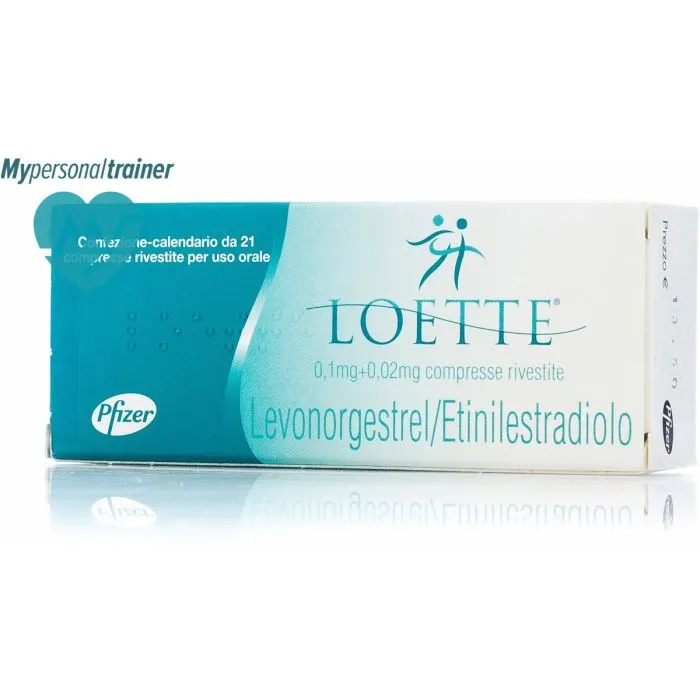
Loette (Ethinylestradiol/Levonorgestrel)
Previous product

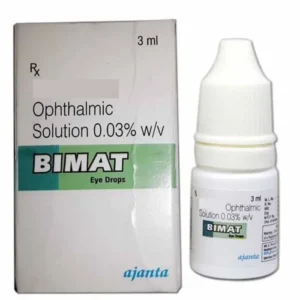
Bimat 3ml with Brush (Bimatoprost)
A$73.00 A$454.00Price range: A$73.00 through A$454.00
Next product
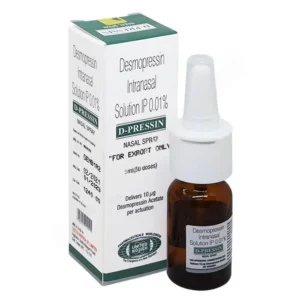
Desmopressin Nasal Spray 5ml (Desmopressin)
A$25.00 A$140.00Price range: A$25.00 through A$140.00
A$9.38 A$32.26Price range: A$9.38 through A$32.26
In Stock
In Stock
Loette (Ethinylestradiol/Levonorgestrel)
| Pack Size | Price | Quantity | Add To Cart | |
|---|---|---|---|---|
| 21 Tablet/s | A$9.38 | |||
| 42 Tablet/s | A$17.34 | |||
| 84 Tablet/s | A$32.26 | |||
| Want to order in bulk / B2B price? Send Inquiry | ||||
×
Sorry!! Out of Stock
Sorry! Loette (Ethinylestradiol/Levonorgestrel) is out of stock
Please click below to view other similar medications.
View All Ethinylestradiol/Levonorgestrel Products
Offer You Can't Resist
Free Shipping
Enjoy Free Shipping on Orders above AUD304 (USD199)
Estimate Delivery :
20 October - 27 October
23
Excellent service overall
Smooth checkout, quick dispatch, and secure delivery. Excellent service overall
 Australia
October 1, 2026
Last Updated on April 19, 2026

Description
Today, it is essential to have reliable and easy contraceptive options, as birth control is crucial for women’s health and liberty. A very sought-after technique is the combination oral contraceptive pill, which is Loette, which contains Ethinylestradiol as well as Levonorgestrel, and is the most trusted option worldwide.
If you’re contemplating Loette or were prescribed the drug, this article will assist you in understanding what it does and how you can take it with caution, its advantages, as well as potential adverse effects and important safeguards.
What is Loette?
Loette is the name of a combination oral contraceptive pill (COC) that contains two synthetic hormones:
- Ethinylestradiol (a synthetic estrogen)
- Levonorgestrel (a synthetic progestin)
Together, they stop pregnancies by mimicking natural female hormones, which control the menstrual cycle.
Loette is often prescribed to treat:
- Preventing unwanted pregnancy
- Regulating menstrual cycles
- Menstrual cramps are less frequent and cause excessive bleeding
- Acne management in women
How Does Loette Work?
Loette makes use of a dual hormone to stop pregnancies:
- Inhibiting ovulation: The ovaries are prevented from releasing eggs every month.
- Thickening cervical mucus: This makes it difficult for sperm to get into the uterus.
- Thinning the uterine lining: Stops fertilization of an egg from being implanted.
Through combining these effects, Loette can be over 99% successful in preventing pregnancies when used correctly.
How to Take Loette
Loette can be purchased as 21 tablets in a pack. Each tablet is infused with the same amount of hormonal substances (known as the monophasic tablet).
Dosage Instructions:
- Use one tablet each day at the same time each day over 21 consecutive days.
- When you have finished 21 tablets, have a seven-day break from tablets (during which you’ll generally experience your period).
- Start the next one right after the break of 7 days, regardless of whether the bleeding has stopped.
Starting Loette
First-time users can start in two ways:
- Day 1 start: The first pill you take is on the day you begin your period.
- Sunday start: The first tablet you take is the Sunday following the start of your period (you’ll have to take extra contraception during the first seven days).
Missed Dose Instructions
The inability to take the proper dose can affect its effectiveness. The following are some suggestions:
- If you are missing one tablet (less than 24 hours after), then take it immediately when you can remember and then carry on as normal.
- If you missed two plus tablets, then take your most recent missed tablet promptly, then discard any missed pills and take another contraception plan for the following seven days.
- If tablets are not taken in the final one week, end the active tablets, and do not skip the time-free tablet beginning the next pack right away.
Benefits of Loette
- Convenient contraception that has a >99% success rate when employed properly.
- Regulates the menstrual cycle and minimizes heavy bleeding.
- Reduces menstrual cramps (dysmenorrhea).
- Might aid in reducing acne by lowering levels of androgens.
- Reduces the risk of developing Endometrial and ovarian cancers.
- This treatment is employed for treating the polycystic ovary disorder (PCOS) symptoms.
Possible Side Effects
As with other medications, Loette can cause side effects. They are usually mild and only temporary.
Common Side Effects:
- Nausea or vomiting
- Breast tenderness
- Headaches or migraines
- Mood changes or depression
- Spotting or breakthrough bleeding between periods
- Weight changes or fluid retention
Serious Side Effects (Rare):
- Blood clots (venous thromboembolism)
- Stroke or heart attack (A greater risk of being a smoker, women older than 35, and those with risk factors other than smoking)
- High blood pressure
- Liver problems
- Severe allergic reactions
Who Should Avoid Loette?
The Loette style is not appropriate for those who have:
- A history of blood clots or blood clotting disorders
- Uncontrolled high blood pressure
- History of stroke or heart attack
- Certain cancers (breast, uterine)
- Severe liver disease
- Migraine with aura
- Are pregnant or breastfeeding (alternative contraception recommended)
Make sure you inform your physician of your complete medical history.
Drug Interactions
Certain supplements and medications can affect the effectiveness of Loette:
- Antibiotics like rifampicin
- Anti-epileptics (carbamazepine, phenytoin)
- St. John’s Wort (herbal supplement)
- Some HIV and tuberculosis medications
Discuss with your physician all medicines you are taking.
Tips for Safe Use
- Consume Loette daily. Take it at the same time each day for maximum effect.
- Make sure you have a backup contraceptive in case you do not take your pills regularly or suffer from diarrhoea or vomiting.
- Regular check-ups are recommended to keep track of the blood pressure as well as any side effects.
- Beware of smoking cigarettes, particularly if older than 35.
- Inform your doctor of any unusual symptoms, for example, leg pain, extreme headaches, chest pain, or vision changes, immediately.
Frequently Asked Questions
Q: Can I take Loette while breastfeeding?
A: This is generally not advised for the initial months following birth. Consult your doctor for alternatives.
Q: Does Loette protect against sexually transmitted infections (STIs)?
A: No. Make use of condoms to lower the chance of STIs.
Q: Can I skip my period by continuing Loette without the 7-day break?
A: Yes, however, only under the supervision of a medical professional.
Conclusion
Loette (Ethinylestradiol/Levonorgestrel) offers reliable and convenient contraception with added benefits for menstrual regulation and skin improvement. Like other medications, they require proper use as well as awareness of the potential adverse effects and risks.
Talk to your physician to get advice specific to your needs, and always be sure to ask questions and make educated decisions concerning the health of your reproductive system.
Related products


Reviews
There are no reviews yet.