
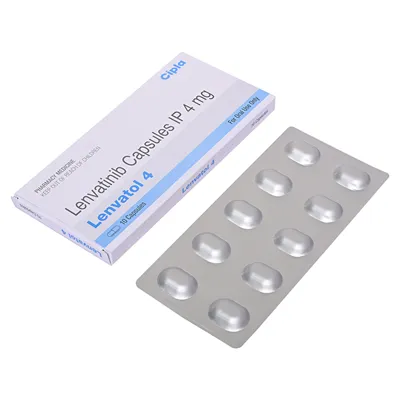
Lenvatol 4mg (Lenvatinib)
Previous product
Anawin 0.25% Inj. (Bupivacaine)
A$49.13 A$119.32Price range: A$49.13 through A$119.32
Next product
Boto Genie (Botulinum toxin Type A)
A$210.57 A$968.62Price range: A$210.57 through A$968.62
A$259.70 A$718.75Price range: A$259.70 through A$718.75
In Stock
In Stock
Lenvatol 4mg (Lenvatinib)
| Pack Size | Price | Quantity | Add To Cart | |
|---|---|---|---|---|
| 30 Capsule/s | A$259.70 | |||
| 60 Capsule/s | A$498.35 | |||
| 90 Capsule/s | A$718.75 | |||
| Want to order in bulk / B2B price? Send Inquiry | ||||
×
Sorry!! Out of Stock
Sorry! Lenvatol 4mg (Lenvatinib) is out of stock
Please click below to view other similar medications.
View All Lenvatinib Products
Offer You Can't Resist
Free Shipping
Enjoy Free Shipping on Orders above AUD304 (USD199)
Estimate Delivery :
24 October - 31 October
50
Very professional experience
Very professional experience with clear communication and dependable delivery.
 Australia
September 29, 2026
Last Updated on April 19, 2026

Description
Lenvatol 4mg (Lenvatinib): An In-Depth Guide
Lenvatol 4mg, containing the active ingredient Lenvatinib, is a targeted cancer therapy medication used primarily in the treatment of certain types of cancer. It belongs to a class of drugs known as tyrosine kinase inhibitors (TKIs), which work by blocking specific enzymes involved in cancer cell growth and blood vessel formation.
This guide will cover everything you need to know about Lenvatol 4mg, including its mechanism of action, indications, dosage, side effects, precautions, and patient advice.
What is Lenvatol 4mg?
Lenvatol 4mg, which contains an active component, Lenvatinib, is a targeted therapy for cancer medicine that is used for the treatment of certain kinds of cancer. Its part of a category of medications called tyrosine-kinase inhibitors (TKIs), which block specific enzymes that are involved in tumor cell growth as well as the formation of blood vessels.
How Does Lenvatinib Work?
Lenvatinib is a drug that targets a variety of receptor ty Kinases, such as:
- VEGFR (Vascular Endothelial Growth Factor Receptor) 1-3
- FGFR (Fibroblast Growth Factor Receptor) 1-4
- PDGFRα (Platelet-Derived Growth Factor Receptor alpha)
- RET (Rearranged during Transfection)
- KIT
The receptors involved are in the signaling pathways that control cancer cell proliferation, survival, and blood vessel development, which are essential for the growth of tumors. Inhibiting these receptors, Lenvatinib slows the growth of tumors and metastasis.
Indications
Lenvatol 4mg is typically used to treat:
- Differentiated thyroid cancer (DTC) that is resistant (non-responsive) to treatment with radioactive iodine.
- Hepatocellular cancer (HCC), a frequent form of liver cancer typically found among patients who have not had prior treatment for systemic cancer.
- Advanced renal cell carcinoma (RCC), usually treated when combined with other drugs.
- Other cancers, as determined by oncologists based on clinical studies or compassionate usage.
Dosage and Administration
- Typical starting dose: The dose can vary based on the type of cancer, the patient’s condition, and in combination with other medicines. Certain conditions could begin with larger dosages like 24 mg each day and gradually be reduced depending on the tolerance level and any side effects.
- Oral administration: Lenvatol is a pill taken orally, generally once per day, every day.
- With or without food: The medicine can be used either with or without food.
- Dose adjustments: This is a possibility for patients having side effects or impaired kidney or liver function.
Patients must strictly adhere to the dose regimen prescribed by their physician and never alter dosage without medical assistance.
Common Side Effects
Similar to many chemotherapy treatments for cancer, Lenvatol 4mg may cause negative side effects. Patients are advised to know about possible adverse reactions and report any symptoms that are severe symptoms promptly.
Frequent side effects include:
- High blood pressure (hypertension)
- Fatigue
- Diarrhea
- Decreased appetite and weight loss
- Nausea and vomiting
- Proteinuria (protein in the urine)
- Hand-foot syndrome (redness, swelling, and pain on palms and soles)
- Mouth sores
Serious Side Effects and Warnings
Although less frequent, severe adverse effects may occur. They should be treated immediately by a physician:
- Severe hypertension: The blood pressure of high blood pressure must be managed because it could cause complications.
- Bleeding: Lenvatinib can increase the risk of bleeding.
- Liver dysfunction: The signs include a yellowing appearance of the eyes or skin and dark urine. It can also cause abdominal discomfort.
- Cardiac issues: Heart issues, such as heart failure or reduced function.
- Gastrointestinal perforation: Very rare, but a danger of forming a hole within the stomach and intestines.
- Thromboembolism: Clots of blood in the veins and the arteries.
- Severe skin reactions
- Kidney problems
Patients should be watched closely during treatment to detect any indications of this type of problem.
Precautions Before Starting Lenvatol 4mg
- Medical history: Tell your physician about any previous history of high blood pressure, kidney or liver diseases, heart issues, blood disorders, or recently performed surgeries.
- Pregnancy and breastfeeding: Lenvatinib may be harmful to a baby who has not yet been born. A contraceptive method that is effective throughout treatment, and also during the period following. It is not advised to breastfeed.
- Other medications: Inform your doctor about all supplements and medications to ensure that there are no interactions.
- Regular monitoring: Regular blood tests and blood pressure tests, and urine tests are crucial in the course of the treatment.
How to Manage Side Effects
- Hypertension: Keep track of blood pressure regularly, and antihypertensive drugs can be ordered.
- Diarrhea and nausea: The consumption of water and diet changes could assist; anti-nausea and anti-diarrhea medication can be prescribed.
- Fatigue: A healthy diet and adequate rest are essential.
- Skin care: Protective measures and moisturizing lotions help to reduce the symptoms of hand-foot syndrome.
Always seek advice from your physician prior to beginning any treatment that is supportive.
Drug Interactions
Lenvatinib is a drug that interacts with specific drugs, thereby altering their efficiency or causing more side effects. The most important considerations are:
- Blood pressure medications: Adjustments may be needed.
- CYP3A4 inducers or inhibitors: These medications influence Lenvatinib metabolism.
- Anticoagulants: A higher risk of bleeding may necessitate dosage adjustments.
Tell your doctor about the current medication you are taking to avoid dangerous interactions.
Storage and Handling
- Keep Lenvatol tablets in a cool, dry place, and away from heat and humidity.
- Place the medicine in the original container, completely sealed.
- Be sure to keep away from youngsters.
Patient Support and Follow-Up
Lenvatinib treatment is closely monitored by cancer specialists. It is essential to schedule regular follow-up visits for assessing the effectiveness of treatment as well as to manage the side effects and modify therapy as required.
Patients are urged to keep a diary of their symptoms and talk directly with their health care team.
Conclusion
Lenvatol 4mg (Lenvatinib) is a crucial targeted treatment for certain types of cancer. It provides some hope for those with few treatments. The ability of this drug to stop the growth of tumors and also angiogenesis is a significant tool in the field of oncology.
Although it is effective, Lenvatinib needs to be used with care under the supervision of a medical professional because of the potential for adverse effects as well as the necessity for dosage control. Patients are advised to work closely with their medical professionals to maximise benefits and guarantee security throughout the course of treatment.
If you or your family member has received Lenvatol 4mg, understanding the drug and its side effects could enable you to take control of your health more effectively.
Related products


Recently Viewed
Reviews
There are no reviews yet.