

Lenmid 10mg (Lenalidomide)
Previous product
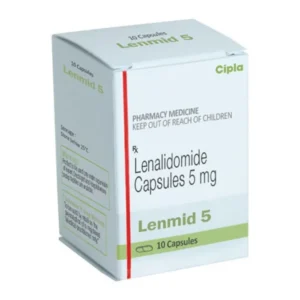
Lenmid 5mg (Lenalidomide)
A$131.60 A$369.60Price range: A$131.60 through A$369.60
Next product
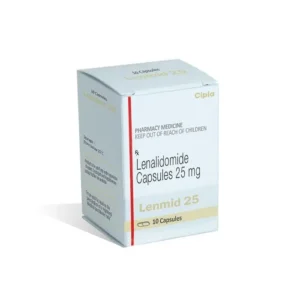
Lenmid 25mg (Lenalidomide)
A$351.40 A$1,016.40Price range: A$351.40 through A$1,016.40
A$175.00 A$497.00Price range: A$175.00 through A$497.00
In Stock
In Stock
Lenmid 10mg (Lenalidomide)
| Pack Size | Price | Quantity | Add To Cart | |
|---|---|---|---|---|
| 30 Capsule/s | A$175.00 | |||
| 60 Capsule/s | A$343.00 | |||
| 90 Capsule/s | A$497.00 | |||
| Want to order in bulk / B2B price? Send Inquiry | ||||
×
Sorry!! Out of Stock
Sorry! Lenmid 10mg (Lenalidomide) is out of stock
Please click below to view other similar medications.
View All Lenalidomide Products


Offer You Can't Resist
Free Shipping
Enjoy Free Shipping on Orders above AUD304 (USD199)
Estimate Shipping :
07 June - 14 June
22
Excellent service
Excellent service! My order was processed quickly and delivered on time. The medicines were well-packaged and exactly as described. Highly recommended.
 Australia
May 26, 2026
Last Updated on April 19, 2026

Description
A Comprehensive Guide to Its Uses, Benefits, and Precautions
Lenmid 10mg, with Lenalidomide, the active ingredient, is a vital drug used for the treatment of a variety of serious blood cancers as well as disorders. It is renowned as a potent anti-cancer drug and immunomodulatory agent, giving the possibility of a cure for patients suffering from conditions such as multiple myeloma, myelodysplastic disorders, as well as certain forms of lymphoma.
This article gives a comprehensive review of Lenmid 10mg, describing its mechanism of action, therapeutic benefits, as well as dosing and potential adverse effects, and safety steps to assist those who are taking it and their families in understanding this drug’s potency more clearly.
What is Lenmid (Lenalidomide)?
Lenalidomide is an equivalent of thalidomide that is part of a group of medications known as immunomodulatory drugs. It acts by altering the immune system as well as directly stopping the proliferation of cancerous cells.
The first time those medical professionals have approved it to treat blood cancers. Lenalidomide is now a crucial component of the treatment protocol worldwide due to its efficacy in enhancing the outcomes of patients.
How Does Lenmid Work?
Lenalidomide is a drug with multiple modes of action, which are responsible for its benefits in the field of medicine:
- Immune System Modulation: It boosts the immune system of your body by stimulating T cells, and natural killer (NK) cells that assist in the elimination of cancerous cells.
- Anti-Angiogenic Effect: It blocks the development of blood vessels (angiogenesis), which tumors require to develop.
- Direct Anti-Cancer Effect: The process triggers Apoptosis (programmed cell death) in malignant cells. It also hinders the ability of malignant cells to multiply.
- Anti-Inflammatory Actions: It decreases the inflammatory cytokines that tend to be elevated in patients with cancer.
The combination of these effects makes Lenmid an extremely versatile drug for the treatment of complicated hematologic diseases.
Indications and Uses of Lenmid 10mg
Lenmid 10mg is recommended for treating:
- Multiple Myeloma
A tumor of the plasma cells within the bone marrow. Multiple myeloma can cause bone damage, anemia, and bone loss, as well as immune deficiencies. Lenalidomide can be used with other medicines like dexamethasone to treat the condition, specifically for those who have been treated with previous treatments.
- Myelodysplastic Syndromes (MDS)
The most common cause of this disorder is an ineffective bone marrow, which results in an ineffective production of blood cells. Lenalidomide is especially effective in patients suffering from MDS with a particular genetic abnormality in the chromosome that is known as deletion 5q (del(5q)).
- Mantle Cell Lymphoma
Lenalidomide can be used to treat the rare and deadly form of non-Hodgkin lymphoma in patients with a relapse of the disease or is resistant (not being responsive) to treatment.
Dosage and Administration
Lenmid 10mg is to be taken according to the prescription of your health professional. The dosage varies based on the condition being addressed, like Lenmid 5mg to 25 mg, the patient’s general well-being, as well as other medicines that are being used.
General Guidelines:
- Commonly, taken daily orally either with or without food.
- The typical dosage is 10 mg per day for 21 days, followed by a 7-day break (28-day cycle) in the case of multiple myeloma or MDS.
- The need for dosage adjustments is often necessary for patients suffering from kidney disease.
- Different cycles or continuous treatment could be recommended based on tolerance and response.
Do not alter or discontinue the dose before consulting with your physician, as this could impact the efficacy of your treatment.
Potential Side Effects
As with many other cancer therapies, Lenmid 10mg can cause negative side effects. Though many patients can tolerate but, you must be aware of the potential adverse reactions.
Common Side Effects:
- Fatigue and weakness
- Diarrhea or constipation
- Nausea and vomiting
- Rash or itching
- Infections and fevers due to the low number of white blood cells (neutropenia)
- A low platelet count can cause easy bleeding or bruising (thrombocytopenia)
- Anemia, which causes breathlessness or dizziness
Serious Side Effects:
- Blood clots (deep vein thrombosis or pulmonary embolism)
- Severe allergic reactions
- Tumor-lysis syndrome (rapid depletion of cancer cells)
- Secondary primary cancers (rare, however, they are reported)
- Severe skin reactions
If you notice any signs of serious illness, you should seek medical attention right away.
Precautions and Warnings
- Pregnancy Risk: Lenalidomide is very toxic (causes birth abnormalities). Females who are pregnant should make use of effective contraception throughout the treatment, and also for some weeks following. Couples who are likely to get pregnant also need to use contraception.
- Blood Monitoring: The regular blood tests are necessary for monitoring blood count and kidney function.
- Risk of Infection: Patients are advised to report symptoms of infection as soon as they become apparent and need preventive actions.
- Blood Clot Prevention: A doctor might prescribe blood thinners if you are at risk of thrombosis.
- Allergic Reactions: If you notice any signs of rash, discomfort breathing, or swelling must be immediately reported.
Drug Interactions
Lenalidomide can be in a relationship with other medicines that could affect the effectiveness or safety of this drug.
Notable Interactions Include:
- Blood thinners (e.g., warfarin)
- Other immunosuppressive or chemotherapy drugs
- Medicines that affect kidney function
Make sure you inform your physician of any medications, supplements, and herbal remedies you’re taking.
Storage Instructions
- Keep tablets of Lenmid at room temperature, and away from heat and humidity.
- Make sure that the area is safe for young children.
- Avoid using expired medicines.
Who Should Not Take Lenmid?
- People who are allergic to Lenalidomide and other related chemicals.
- Breastfeeding or pregnant women.
- Patients who have severe, uncontrolled infections or bleeding disorders must be strictly checked.
Frequently Asked Questions
Can Lenmid cure my cancer?
Lenalidomide isn’t an effective cure, but it can help slow the progression of disease, ease symptoms, and increase your quality of life.
How long will I need to take Lenmid?
The duration of treatment is dependent on the condition and the response. Patients may take the medication over a period of months or for years with medical surveillance.
What should I do if I miss a dose?
Make sure to take the dose you missed when you remember it, until it’s not too close to your next dose. Avoid taking two doses.
Can I drink alcohol while taking Lenmid?
The best thing to do is avoid drinking because it can cause more the effects of nausea or fatigue.
Conclusion
Lenmid 10mg (Lenalidomide) is a potent and multifaceted medication that plays an essential role in the treatment of multiple myeloma, myelodysplastic syndromes, and lymphomas. The capability of this medication to control the immune system and limit the growth of cancer cells offers an opportunity to patients suffering from this challenging disease.
Due to the potent effect and the risk potential, Lenmid must be taken under strict medical supervision, with periodic examination. Patients are advised to follow all directions closely, document any side reactions promptly, and remain in regular communication with their medical team.
If you or your family member is taking Lenmid, being aware of this medication will help you safely manage treatment and get the most benefit from it.
Additional Information
| Manufacturer | Cipla Inc. |
|---|---|
| Pharmaceutical | Capsules |
| Strength | 10 mg |
| Pack Size | 30 Capsules, 60 Capsules, 90 Capusles |
Related products

Recently Viewed

Reviews
There are no reviews yet.