
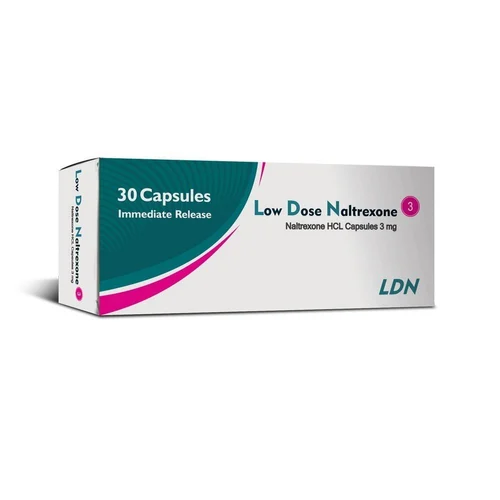
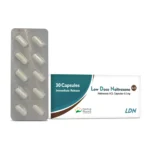
LDN 3mg (Naltrexone)
Previous product

LDN 1.5mg (Naltrexone)
$33.00 $105.00Price range: $33.00 through $105.00
Next product
LDN 4.5mg (Naltrexone)
$60.00 $190.00Price range: $60.00 through $190.00
$48.00 $159.00Price range: $48.00 through $159.00
In Stock
In Stock
LDN 3mg (Naltrexone)
| Pack Size | Price | Quantity | Add To Cart | |
|---|---|---|---|---|
| 60 Capsule/s | $48.00 | |||
| 120 Capsule/s | $89.00 | |||
| 240 Capsule/s | $159.00 | |||
| Want to order in bulk / B2B price? Send Inquiry | ||||
×
Sorry!! Out of Stock
Sorry! LDN 3mg (Naltrexone) is out of stock
Please click below to view other similar medications.
View All Naltrexone Products
Offer You Can't Resist
Free Shipping
Enjoy Free Shipping on Orders above AUD304 (USD199)
Estimate Delivery :
13 October - 20 October
45
Excellent service overall
Smooth checkout, quick dispatch, and secure delivery. Excellent service overall
 Australia
October 1, 2026
Last Updated on April 19, 2026

Description
LDN 3mg (Low Dose Naltrexone): What You Need to Know
LDN 3mg, which is also known as low-dose naltrexone, has received interest in recent times due to the potential it has to treat a variety of chronic illnesses. Contrary to the conventional high-dose Naltrexone that is used to treat addiction, LDN is prescribed in lower doses, generally between 1.5mg to 4.5mg, which perform very differently within the body.
In this article, we will discuss the basics of what LDN 3mg can do and how it functions in relation to the conditions it can assist with, potential negative effects, and aspects to take into consideration if you’re considering making use of the drug.
What is LDN 3mg?
LDN means Low Dose Naltrexone, which is a term used to describe the low dose of. Naltrexone is an antidepressant that was originally designed to treat addictions like opioids and alcohol dependency through blocking opioid receptors in dosages of 50 mg or more.
At 3 mg, which is an extremely low dose, naltrexone is not able to stop opioid receptors for life, but blocks them for up to a couple of hours. This short blockade prompts the body to create more endorphins and enkephalins – substances that control the inflammation, pain, as well as immune function.
As a result of this particular method, LDN is being studied and is being used without a prescription for various autoimmune disorders and chronic pain conditions, and inflammatory disorders.
How Does LDN 3mg Work?
The precise method by which LDN operates is currently being studied; however, here’s a summary of what’s widely accepted:
- If taken before bed, LDN temporarily blocks opioid receptors.
- The short blockage triggers the body to respond by increasing the production of endorphins and enkephalins.
- Natural peptides can help regulate the immune system and decrease inflammation.
- An increase in endorphin levels aids in relieving pain and an improvement in mood.
- It can also impact certain immune cells and help decrease autoimmunity and unusual immune reactions.
This mechanism of action differentiates LDN from other immunosuppressants or anti-inflammatory medications, which makes LDN a viable option in patients looking for alternatives or complementary treatment.
Conditions That May Benefit from LDN 3mg
Although it is still viewed as experimental in a lot of cases, LDN has been reported to be effective in several illnesses, which include:
- Autoimmune Diseases
- Multiple Sclerosis (MS)
- Crohn’s Disease
- Rheumatoid Arthritis
- Lupus
In regulating immune function, LDN may help reduce the symptoms of disease and also slow its progression.
- Chronic Pain Disorders
- Fibromyalgia
- Complex Regional Pain Syndrome (CRPS)
- Chronic Fatigue Syndrome (CFS)
- Neuropathic Pain
The pain-relieving properties of LDN stem from its capacity to boost endorphins and decrease inflammation.
- Mental Health and Mood Disorders
- Depression
- Anxiety
Certain patients experience mood stabilization as well as improved psychological well-being after LDN therapy.
- Cancer Support
Research is continuing on the potential of LDN to enhance the immune system and improve the health of cancer patients. However, it does not provide a cure or first-line treatment.
- Other Inflammatory Conditions
- Irritable Bowel Syndrome (IBS)
- Hashimoto’s Thyroiditis
- Psoriasis
Recommended Dosage and How to Take LDN 3mg
LDN is usually taken one time each day, but it is best taken at night. It is taken before bedtime to align with the body’s natural rhythms, as well as the time of release of endorphins.
The standard dosage is 3 mg per day. However, depending on the patient’s condition and reaction, the doctor may start with 1.5mg and then gradually increase it to 4.5mg or, in some cases, slightly more.
Due to the fact that LDN is typically compounded specifically (it’s not readily available in the form of a tablet), it is crucial to purchase the product from a reliable pharmacy that compounds it.
Potential Side Effects
LDN is generally tolerated, particularly when compared with higher doses of Naltrexone. When side effects do occur, they tend to be minor and temporary:
- Sleep disturbances or vivid dreams
- Headache
- Nausea
- The flu or fatigue symptoms may be mild in the initial few days
- Digestive upset
Most of the side effects disappear within a few days after the body adapts. If you experience any issues, then consult your doctor.
Precautions and Important Considerations
Before you begin LDN, discuss the complete details of your medical background with your physician:
- Opioid Use: Because LDN temporarily blocks the opioid receptors in your body which block opioid receptors, it may interfere with pain medicines such as codeine and morphine. Don’t take LDN if you’re using opioids in the absence of medical surveillance.
- Pregnancy and Breastfeeding: The data available is not extensive on LDN usage during pregnancy or nursing. Talk to your physician prior to beginning treatment.
- Liver and Kidney Function: If you are suffering from kidney or liver disease, the doctor can follow you closely.
- Medication Interactions: Discuss with your doctor all medications you’re taking in order to prevent possible interactions.
- Not a Cure: LDN can be a therapeutic aid. It is not a cure for any disease. It is recommended to use it as part of a total therapy plan.
How Long Does It Take for LDN to Work?
The time to respond varies. Certain patients experience improvements in just some weeks, but other patients may require up to six months before they are able to notice the significant changes.
Since it regulates the immune system and inflammation pathways, regular usage is essential for long-lasting results.
Why is LDN Considered “Low Dose”?
The most common dose of naltrexone for addiction treatment is typically 50mg per day. This is the amount at which the drug blocks opioid receptors continually, stopping opioids from working.
When used in very low dosages (1.5-4.5mg), LDN blocks the opioid receptors but only for a brief period, which allows the body to react with a rise in the amount of endorphins once the medication has finished its work. This short blockade is sufficient to produce positive effects on the immune system and reduce pain, but without the blockage of pain medications for a long time.
Is LDN Approved by Health Authorities?
It is currently not yet officially authorized to be used for all the non-approved uses for which it is known. The FDA has approved it for the treatment of addiction in greater dosages.
Yet, it’s widely prescribed without a prescription based on positive research findings and reports from patients. A majority of doctors view it as an option for adjunct therapy with low risk for patients who have no other options.
Summary
LDN 3mg is an upcoming therapy offering hope to patients suffering from autoimmune conditions or chronic pain, as well as various other conditions that cause inflammation. Its distinctive mechanism for boosting the body’s natural production of endorphins assists in regulating the immune system and decreasing inflammation.
While more research is needed to fully understand and confirm the benefits of LDN, many people are finding that LDN enhances their health and quality of life, with no negative side effects.
If you’re thinking of LDN 3mg for treatment, it is essential to speak with a qualified healthcare expert to discuss the condition as well as your medication and treatment plans.
Additional Information
| Active Ingredient: | Naltrexone |
|---|---|
| Indication: | Opioid Dependence, Alcohol Dependence |
| Manufacturer: | Centurion Laboratories Pvt. Ltd. |
| Strength: | 3mg |
| Packaging: | 10 Capsules in 1 Strip |
| Delivery Time: | 7 To 15 days |
Related products

Reviews
There are no reviews yet.