
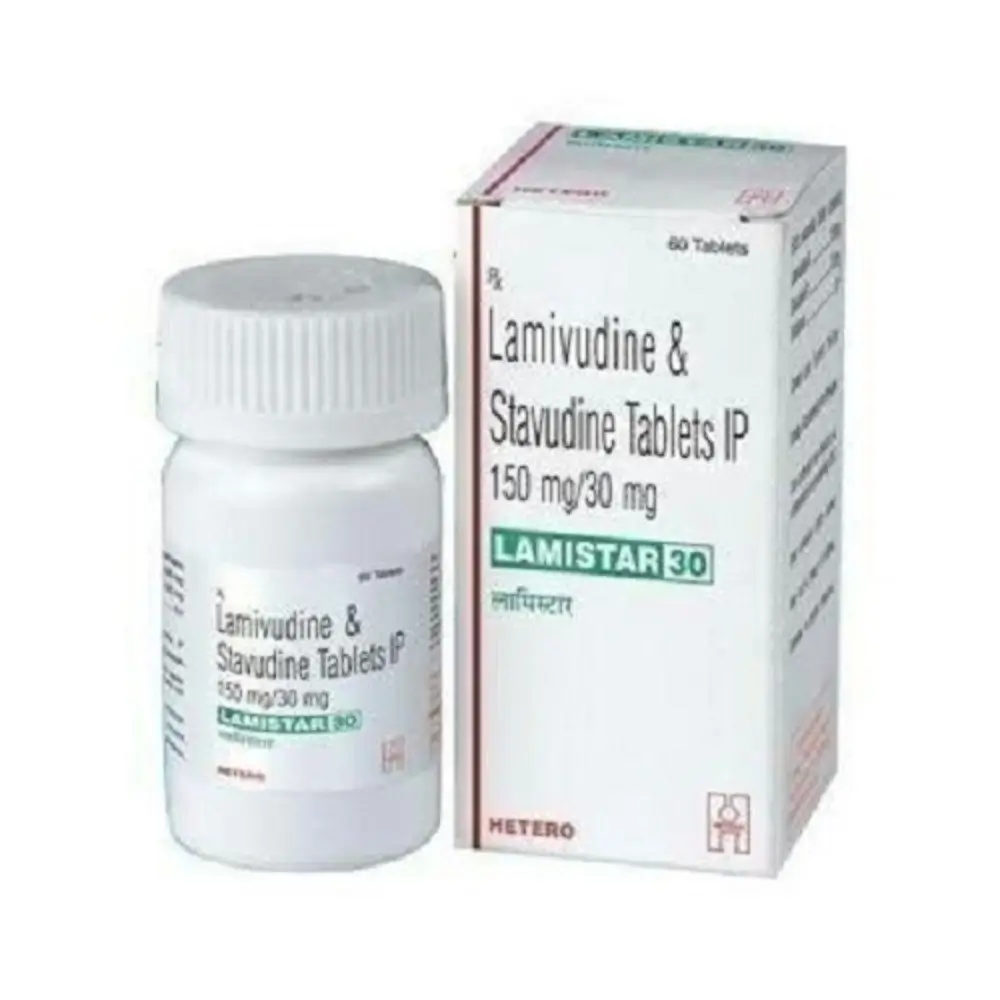
Lamistar 30mg (Lamivudine/Stavudine)
Previous product

Nitib 140mg (Ibrutinib)
$240.00 $640.00Price range: $240.00 through $640.00
Next product

Venlor-XR 75mg (Venlafaxine)
$40.00 $130.00Price range: $40.00 through $130.00
$50.00 $120.00Price range: $50.00 through $120.00
In Stock
In Stock
Lamistar 30mg (Lamivudine/Stavudine)
| Pack Size | Price | Quantity | Add To Cart | |
|---|---|---|---|---|
| 60 Tablet/s | $50.00 | |||
| 120 Tablet/s | $90.00 | |||
| 180 Tablet/s | $120.00 | |||
| Want to order in bulk / B2B price? Send Inquiry | ||||
×
Sorry!! Out of Stock
Sorry! Lamistar 30mg (Lamivudine/Stavudine) is out of stock
Please click below to view other similar medications.
View All Lamivudine/Stavudine Products


Offer You Can't Resist
Free Shipping
Enjoy Free Shipping on Orders above AUD304 (USD199)
Estimate Shipping :
07 June - 14 June
46
Last Updated on April 19, 2026

Description
Lamistar 30mg (Lamivudine/Stavudine): An Informative Guide
Lamistar 30mg is an antiretroviral combination medication that is used for the treatment and treatment of HIV (Human Immunodeficiency Virus) infection. It is a combination of Lamivudine as well as Stavudine which each of which is classed as a Nucleoside reverse transcriptase inhibitor (NRTIs). These medications are effective by preventing the ability of viruses to reproduce and multiply within the body.
This document provides an in-depth review of Lamistar 30mg, comprising its constituents, mechanisms of action, dosage of dosage, possible side effects, safety measures, and much more.
What is Lamistar 30mg?
Lamistar 30 mg is a fixed-dose antiretroviral treatment (ART) medicine. It is typically prescribed to people suffering from HIV-1 infection. It isn’t an effective treatment for HIV; however, it can help in reducing the burden of HIV, increasing immunity, and decreasing the chance of complications and transmission.
Active Ingredients
- Lamivudine (150mg)
Lamivudine is a powerful NRTI that blocks the function that is triggered by the HIV reverse transcriptase enzyme, thus preventing the replication of HIV. It’s well-tolerated and is an integral part of numerous HIV treatment protocols. - Stavudine (30mg)
Stavudine is a different NRTI that does the same thing by blocking the synthesis of DNA in viral cells. While its use has decreased across many nations due to the risk of toxicity, it is accessible in certain treatments and combinations.
How Lamistar 30mg Works
Lamistar is a drug that blocks an enzyme known as reverse transcriptase that is necessary to allow HIV to replicate. By preventing viral replication, it helps to:
- Reduce the amount of HIV in the blood (viral load)
- The quantity of CD4 cells (immune cells)
- Lower the chance of contracting opportunistic infections
- The delay in progression can lead to AIDS
It’s important to realize that Lamistar doesn’t eliminate HIV from the body. But regular use of the drug can provide long-term relief from HIV and allow people to live longer and healthier lives.
Indications and Usage
Lamistar 30 mg is recommended to treat:
- Initial treatment for HIV-1 infection
- The combination therapy used in ART regimens
- Elimination of transmission from mother-to-child (in certain protocols)
It is utilized in conjunction with other antiretroviral drugs to reduce resistance and increase effectiveness.
Dosage and Administration
- Standard adult dose: A tablet (30mg Stavudine + 150mg Lamivudine) twice daily, or according to the prescription.
- With or without food: Lamistar may be consumed with meals or on an empty stomach.
- Missed dose: If you miss a dose, you should take it as fast as you remember, unless it’s near the date of another dose. Never double-dose.
Be sure to follow the advice of your physician’s guidelines regarding the precise dose regimen. Adjustments to dosages may be required depending on the renal function of your patient or in the event of adverse consequences.
Side Effects
As with all medicines, Lamistar 30mg can cause adverse effects. Although many of them are minor and short-lived, some may be severe and need medical attention.
Common Side Effects:
- Headache
- Fatigue
- Diarrhea
- Nausea
- Rash
Serious Side Effects:
- Lactic acidosis (rare but potentially fatal)
- Pancreatitis
- Peripheral neuropathy (tingling or numbness in hands and feet)
- Liver dysfunction
- Lipodystrophy (fat redistribution)
Patients must be monitored closely to detect early warning signs of issues, especially in the early months after treatment.
Warnings and Precautions
- Lactic Acidosis and Hepatomegaly
Enlargement of the liver and lactic acidosis, as well as steatosis, were reported as a result of NRTIs, which include Lamivudine as well as Stavudine. The risk is greater for obese women, female patients, as well as those who have been on long-term treatment.
- Peripheral Neuropathy
Stavudine can cause peripheral neuropathy, particularly when it is used in conjunction with other neurotoxic medications. It can cause tingling, numbness, and burning sensations.
- Pancreatitis
The presence of pancreatitis has been seen, particularly among children. Stop treatment as soon as symptoms appear.
- Immune Reconstitution Syndrome
In the process of regaining immunity, it can respond to infections that were previously unnoticed. A medical examination is required when this happens.
- Hepatitis B Co-infection
Lamivudine can be used to treat HBV (Hepatitis B virus). Refraining from patients who are co-infected with HIV/HBV can trigger an increase in the severity of Hepatitis. The monitoring of liver function is vital.
Drug Interactions
Lamistar 30mg may interact with:
- Zidovudine: It is recommended to avoid due to the adverse effects of Stavudine.
- Didanosine: Risk of adverse side effects, including neuropathy and pancreatitis.
- Ribavirin: Take care, as it is associated with the increased danger of mitochondrial toxicity.
Be sure to inform your physician of any supplements, medications, or herbal supplements you are using.
Use in Special Populations
Pregnancy and Breastfeeding:
- Only use during pregnancy if it is clearly required.
- Lamivudine is regarded as relatively secure, and Stavudine needs a cautious risk-benefit assessment.
- It is not generally recommended for HIV-positive women to reduce the risk of the spread of HIV.
Pediatric Use:
- Adjustments to dosages are needed according to your body’s weight.
- A close eye on adverse effects such as pancreatitis is vital.
Geriatric Use:
- Take care; declining organs due to age may alter the metabolism of drugs.
Storage and Handling
- Keep it below 30°C (86°F)
- Guard against moisture and direct sunlight
- Be sure to keep it out of the Children’s reach
Importance of Adherence
Adherence to HIV drugs such as Lamistar is essential. Inconsistent use or omission of doses could result in:
- Drug resistance
- Treatment failure
- Increased risk of transmission
Patients must be incentivised to utilize reminders, pill organizers, or mobile apps that can help with adherence.
When to Seek Medical Attention
Speak with your physician promptly if you suffer from:
- Severe abdominal pain or vomiting
- Yellowing of eyes or skin
- Numbness in extremities
- Difficulty breathing
- Muscle weakness
This could signal dangerous adverse reactions and need urgent intervention.
Conclusion
Lamistar 30mg (Lamivudine/Stavudine) remains an important component in the treatment of HIV, especially in regions where access to newer drugs may be limited. Though effective in fighting HIV, it is best used under careful control due to possible negative side effects. If you adhere to the right guidelines, regular check-ups, and lifestyle assistance, patients on Lamistar will be able to manage their conditions efficiently and enjoy a high level of living.
Related products



Reviews
There are no reviews yet.