
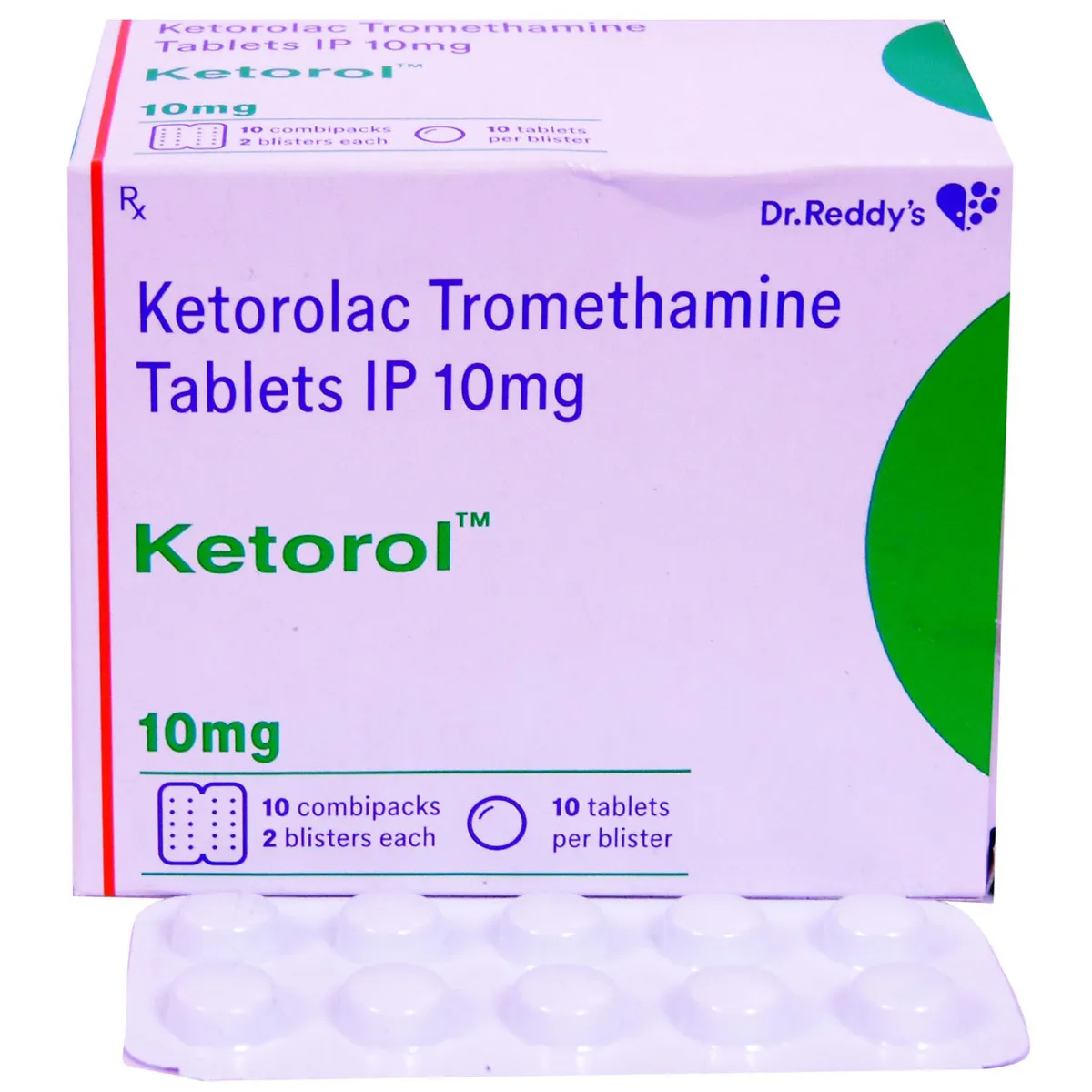
Ketorol 10mg (Ketorolac)
Previous product
Nucoxia 90mg (Etoricoxib)
$71.00 $116.00Price range: $71.00 through $116.00
Next product
Mobicam 20mg DT (Piroxicam)
$16.50 $33.75Price range: $16.50 through $33.75
$40.00 $70.00Price range: $40.00 through $70.00
In Stock
In Stock
Ketorol 10mg (Ketorolac)
| Pack Size | Price | Quantity | Add To Cart | |
|---|---|---|---|---|
| 60 Tablet/s | $40.00 | |||
| 90 Tablet/s | $58.00 | |||
| 120 Tablet/s | $70.00 | |||
| Want to order in bulk / B2B price? Send Inquiry | ||||
×
Sorry!! Out of Stock
Sorry! Ketorol 10mg (Ketorolac) is out of stock
Please click below to view other similar medications.
View All Ketorolac Products
Offer You Can't Resist
Free Shipping
Enjoy Free Shipping on Orders above AUD304 (USD199)
Estimate Shipping :
07 June - 14 June
45
Excellent service
Excellent service! My order was processed quickly and delivered on time. The medicines were well-packaged and exactly as described. Highly recommended.
 Australia
May 26, 2026
Last Updated on April 18, 2026

Description
Introduction
Ketorol 10 mg is a potent combination of Ketorolac Tromethamine is a powerful nonsteroidal anti-inflammatory medication (NSAID) that is used to treat brief-term treatment of pain that is moderate to extreme. The most common reason for prescribing it is for pain relief when opioids are ineffective or must not be used. Ketorolac reduces the pain signal and inflammation and is therefore effective in the postoperative discomfort, muscle and joint pain, as well as other painful disorders.
Composition
- Active Ingredient: Ketorolac tromethamine 10 mg per tablet
- Inactive Ingredients: It could also contain lactose, magnesium stearate, starch different cellulose derivatives, as well as other excipients based on the manufacturer.
Pharmacological Class
- Nonsteroidal Anti-Inflammatory Drug (NSAID)
- Analgesic
- Antipyretic
Mechanism of Action
Ketorolac is a drug that blocks the Cyclooxygenase (COX) enzymes, particularly COX-1 as well as COX-2. These enzymes are responsible for the production of prostaglandins. They are lipid compounds that participate in inflammation, pain, and fever processes. Through inhibiting COX enzymes, ketorolac decreases the creation of prostaglandins, which reduces discomfort, inflammation, and high fever.
Like opioids, ketorolac cannot trigger central brain depression or addiction; however, it comes with the usual risks associated with NSAIDs, like renal and gastrointestinal negative reactions.
Indications
Ketorol 10 mg tablets can be used to treat:
- The short-term treatment of mild to extreme acute discomfort, for example:
- Postoperative pain (after surgery or dental procedures)
- Musculoskeletal pain (e.g., sprains, strains)
- Pain associated with renal colic
- Other acute painful conditions requiring potent analgesia
Note: Ketorolac is not generally advised for moderate pain or to manage chronic pain due to its negative side effects.
Dosage and Administration
Adults:
- The most common dosage will be 10 mg every 4 to 6 hours, depending on the need for ease of pain relief.
- Don’t exceed the recommended dose of 40 mg daily (4 tablets with 10 mg in each).
- Treatment duration should be limited to 5 days or less because of the risk of severe side effects.
Elderly or Patients with Renal Impairment:
- Take care when using this product; dosages may require adjustment.
- Do not take action if a severe impairment of the kidney is detected.
Administration:
- Do this orally, with a complete cup of water.
- It can be consumed along with food or milk in order to help ease stomach discomfort.
- Tablets must be taken whole and should not be chewed or crushed.
Contraindications
- Hypersensitivity to ketorolac, various NSAIDs, and aspirin.
- The history of asthma, urticaria, or allergic reactions following NSAID treatment.
- Current or past underlying peptic ulcer or bleeding from the gastrointestinal tract.
- Severe renal impairment or risk of kidney failure.
- Current or recent cerebrovascular bleeding and hemorrhagic diathesis.
- Utilization in the perioperative or labor phase for treatment of pain during the coronary bypass transplant (CABG) procedure.
- Use in conjunction with anticoagulants or other NSAIDs with no medical surveillance.
Warnings and Precautions
- Gastrointestinal Risks: Ketorolac may cause serious GI adverse effects, including bleeding, ulceration, and perforation of the stomach or intestines. These could cause death. This can happen anytime during the course of use without prior warning.
- Cardiovascular Risks: Risk of being at risk for serious heart myocardial infarction, thrombotic event, as well as strokes, which could be fatal. Utilize the smallest dose with the least amount of time.
- Renal Effects: The risk of renal toxicities is high, particularly in the elderly, dehydrated, or people with an existing impaired renal function.
- Bleeding Risk: Ketorolac reduces the function of platelets and raises the risk of bleeding. Do not use it in patients suffering from bleeding disorders or who are undergoing major surgeries, unless the benefits are greater than the risk.
- Hypersensitivity Reactions: Anaphylaxis and other serious allergic reactions could be experienced. Discontinue immediately if symptoms develop.
- Pregnancy: Beware of use during late gestation (third trimester) because of the danger of premature closure of the ductus arteriosus in the fetus.
- Liver Function: Be cautious in patients suffering from an impairment of the liver.
Side Effects
Common Side Effects:
- Nausea
- Dyspepsia (indigestion)
- Abdominal pain
- Headache
- Dizziness
- Drowsiness
Serious Side Effects:
- Gastrointestinal bleeding or ulcers
- Anaphylaxis or severe allergic reactions
- Renal failure or impairment
- Elevated blood pressure
- Fluid retention and edema
- Hepatotoxicity (rare)
- Increased risk of cardiovascular events
Drug Interactions
- Anticoagulants (e.g., warfarin): A higher risk of bleeding.
- Other NSAIDs or corticosteroids: Additive GI toxicity.
- ACE inhibitors, ARBs, diuretics: It can reduce the antihypertensive effect. It may also raise the risk of kidney impairment.
- Selective serotonin reuptake inhibitors (SSRIs): A higher risk of bleeding.
- Lithium: Ketorolac could increase the levels of lithium as well as toxicity.
- Methotrexate: A higher risk of toxicity to methotrexate.
Be sure to inform your physician of any medications you take prior to beginning ketorolac.
Use in Special Populations
- Elderly: Risk of adverse reactions is increased. Start at the lowest dose effective.
- Children: The safety and effectiveness of this product are not fully confirmed; generally, it is not advised for use by children.
- Pregnancy: Do not avoid, especially during the 3rd trimester.
- Breastfeeding: Be cautious; even small quantities could be absorbed through breast milk.
Overdose
The symptoms of an overdose can be nausea, vomiting, discomfort in the stomach, dizziness, and confusion. In severe cases, overdoses can result in stomach hemorrhage, renal dysfunction, and central nervous system depression.
If there is a suspicion of overdose if you suspect overdose, get medical help immediately. There’s no cure. The treatment can be supportive but symptom-based.
Storage
- Keep at room temperature from 20°C to 25°C (68°F to 77°F).
- Guard against light and moisture.
- Be sure to keep away from youngsters.
Patient Counseling Information
- Use Ketorol exact as per the instructions and do not exceed the dosage or time.
- If you notice any symptoms of stomach discomfort, black stool, or unusual bleeding, itching, or swelling as soon as you notice them.
- Beware of alcohol, as well as other drugs, which increase the risk of bleeding unless you have been recommended by your physician.
- Tell your physician if you are a victim of kidney diseases, ulcers, or heart issues.
- Take care when operating machinery, driving, or operating machinery until you understand what Ketorol can affect you. It is possible to experience dizziness or sleepiness.
Summary
Ketorol 10 mg (Ketorolac) is an effective NSAID that is used to treat short-term relief of pain that is moderate to extreme pain. It delivers effective pain relief because it blocks the synthesis of prostaglandins, which are involved in inflammation and pain. Though highly effective, ketorolac’s usage is restricted by the potential for gastrointestinal, renal, and cardiovascular adverse effects, requiring cautious usage under the supervision of a medical professional, and strictly adhering to the recommended dosages and times.
If used correctly, Ketorol provides significant relief from pain-related issues that are acute without the requirement for opioids. It is an effective option for pain treatment.
Related products

Reviews
There are no reviews yet.