

Kenozole B Cream (Ketoconazole/Beclometasone)
Previous product

Kenozole Cream (Ketoconazole)
$9.00 $70.00Price range: $9.00 through $70.00
Next product
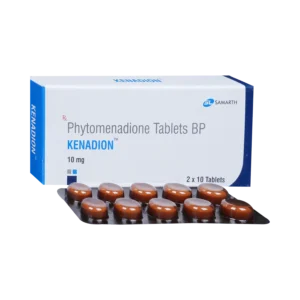
Kenadion 10mg (Phytomenadione)
$45.00 $145.00Price range: $45.00 through $145.00
$8.00 $73.00Price range: $8.00 through $73.00
In Stock
In Stock
Kenozole B Cream (Ketoconazole/Beclometasone)
| Pack Size | Price | Quantity | Add To Cart | |
|---|---|---|---|---|
| 1 Cream | $8.00 | |||
| 3 Cream/s | $21.00 | |||
| 6 Cream/s | $39.00 | |||
| 12 Cream/s | $73.00 | |||
| Want to order in bulk / B2B price? Send Inquiry | ||||
×
Sorry!! Out of Stock
Sorry! Kenozole B Cream (Ketoconazole/Beclometasone) is out of stock
Please click below to view other similar medications.
View All Ketoconazole/Beclometasone Products
Offer You Can't Resist
Free Shipping
Enjoy Free Shipping on Orders above AUD304 (USD199)
Estimate Shipping :
14 July - 21 July
39
Last Updated on April 18, 2026

Description
Kenozole B Cream is a topical drug extensively used in dermatology to treat the treatment of various types of fungal infections that affect the skin, especially where itching or inflammation is present as well. This powerful combination of two active ingredients–Ketoconazole and Beclometasone–makes it effective not only in eliminating the root cause of infection but also in relieving associated symptoms such as redness, itching, and swelling.
In this post we’ll cover all you need to learn concerning Kenozole B Cream, including its ingredients how it operates and its advantages, the proper use, possible side effects, and precautions you should take when using the product.
What is Kenozole B Cream?
Kenozole B Cream is a blend of topical formulas that include:
- Ketoconazole (2%) – an antifungal agent
- Beclometasone dipropionate (0.025%) – a corticosteroid
This cream is typically used to treat fungal infections, which can also cause inflammation. It’s typically recommended by dermatologists for brief-term use to help clear the skin problems caused by fungi. This is especially true when inflammation is extreme or causes discomfort.
How Does Kenozole B Cream Work?
The active ingredients of Kenozole B Cream work synergistically:
- Ketoconazole
Ketoconazole is an imidazole-based antifungal that acts by interfering with the production of Ergosterol, which is a crucial part of the fungal cell membranes. In the absence of ergosterol, the membrane of fungal cells becomes damaged, resulting in the death of the yeast.
It is effective against many dermatophytes as well as yeasts, such as the species that belong to Candida as well as Malassezia.
- Beclometasone
Beclometasone is a moderate-potency corticosteroid that has anti-itch, anti-inflammatory, and immunosuppressive qualities. It assists in decreasing the swelling, redness, and itching that are caused by the body’s response to inflammation in response to disease.
Together, they are not just able to treat the infection but also provide quick relief from uncomfortable signs.
Indications: What is Kenozole B Cream Used For?
Kenozole B Cream is commonly recommended for treating:
- Tinea corporis (ringworm of the body)
- Tinea cruris (jock itch)
- Tinea pedis (athlete’s foot)
- Tinea versicolor (a superficial yeast infection)
- Seborrheic dermatitis
- Candidiasis of the skin
- Other fungal skin conditions that can cause signs of inflammation
It’s particularly beneficial in cases where the skin problem is associated with itching, redness, or swelling that has to be controlled in conjunction with the fungal disease.
Benefits of Kenozole B Cream
- Fast symptom relief: Because of Beclometasone’s properties, patients frequently get relief from itching or irritation within the first few days.
- Dual-action treatment: Treatment of both infection (Ketoconazole) as well as inflammation (Beclometasone).
- Broad-spectrum antifungal: It is effective against a variety of fungi.
- Improves skin appearance: Relieves inflammation and improves the health of your skin faster than treatments for fungal infections alone.
How to Use Kenozole B Cream
Follow your doctor’s directions when you use this cream.
General guidelines:
- Dry and clean the area prior to application.
- Apply a small amount of cream to the affected area and adjacent areas.
- Apply the cream slowly till the lotion has been absorbed.
- Cleanse your hands following application of the cream (unless your hands are in the area that is affected).
- Make use of the cream at least once a day or two times a day in accordance with the directions of your physician.
- Do not wrap the area being treated by a dressing or bandage unless you are advised to do so by your doctor.
Duration:
The treatment is usually continued for between 1 and 2 weeks according to the extent of infection. It is not advised to use it for longer than 2 weeks without medical guidance.
Potential Side Effects
Although Kenozole B Cream is generally accepted by patients, it may produce side effects for certain patients. Some of the more common reactions include:
Common:
- Skin irritation
- Burning or stinging sensation at the application site
- Dryness or peeling
Less Common:
- Skin thinning (with prolonged use)
- Stretch marks
- Discoloration of the skin
- Secondary infections (due to immune suppression from corticosteroids)
- Allergic reactions (rash, swelling, itching)
If severe reactions develop, like blistering or signs of a severe allergic reaction, stop using the product and consult a physician.
Precautions and Warnings
Before using Kenozole B Cream, keep this at the forefront:
- Don’t use on skin that is damaged or broken (unless specifically prescribed for this for that).
- Be careful not to apply it to your facial area, underarms, or the groin unless advised by your physician.
- It is not recommended for long-term usage because of the corticosteroid ingredient.
- Do not touch your eyes, mouth, or the mucous membranes.
- Avoid using on youngsters under the age of 12 without a medical consultation.
- Contact your doctor if you are either breastfeeding or pregnant.
Can Kenozole B Cream Be Used for Pimples or Acne?
Kenozole B Cream is not recommended for people with acne or pimples. Although the anti-inflammatory properties of Beclometasone may help reduce swelling, corticosteroids may even increase the severity of acne for a long time. Furthermore, this cream will take care of the bacterial root causes of acne. To treat the acne problem, there are suitable topical treatments like benzoyl peroxide, salicylic acid, and prescription Retinoids.
Storage Instructions
- Keep at room temperatures (below 25°C/77°F)
- Avoid direct sun as well as humidity
- Be sure to keep away from Children’s reach
Alternatives to Kenozole B Cream
Other combinations of creams to treat similar ailments are:
- Candid B Cream (Clotrimazole + Beclometasone)
- Zole-F Cream (Fluconazole + Beclometasone)
- Betnovate-N (Betamethasone + Neomycin)
Always speak with a doctor before making any changes to your medication.
Final Thoughts
Kenozole B Cream is an effective and reliable solution for skin fungal conditions that cause irritation, itching, and discomfort. Combining Ketoconazole as well as Beclometasone helps to eliminate the infection and provides relief. However, it is recommended to be taken with care, particularly when used for long periods of time or for sensitive areas of the skin.
Like all medications in the world, it’s important to take it according to the prescription and not self-medicate. If the symptoms continue or get worse, contact a dermatologist or health professional promptly.
Disclaimer:
This information is intended for educational purposes only. It does not provide medical advice from a professional. Always consult with a physician to determine the diagnosis and recommendations for treatment that are specific to your particular condition.
Additional Information
| Active Ingredient: | Ketoconazole/Beclometasone |
|---|---|
| Indication: | Fungal Infections |
| Manufacturer: | Brinton Pharmaceuticals Ltd. |
| Strength: | 15g |
| Packaging: | 15g in 1 tube |
| Delivery Time: | 7 To 15 days |
Related products
Recently Viewed

Reviews
There are no reviews yet.