
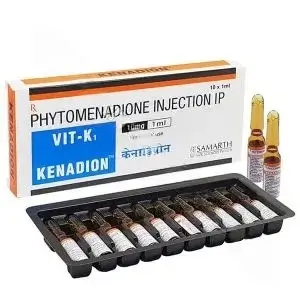
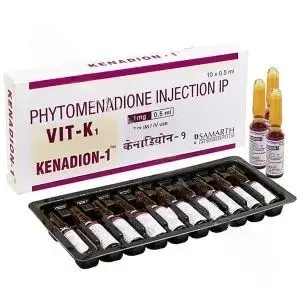
Kenadion Injection 1ml (Phytomenadione)
Previous product
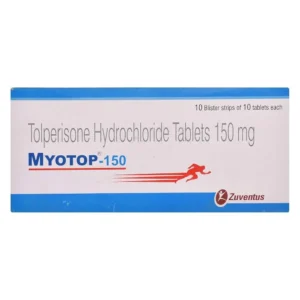
Myotop 150mg (Tolperisone)
$30.00 $82.00Price range: $30.00 through $82.00
Next product
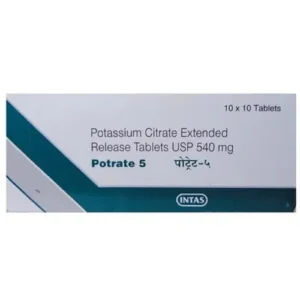
Potrate 5mg (Potassium Citrate)
$15.00 $27.50Price range: $15.00 through $27.50
$23.00 $54.00Price range: $23.00 through $54.00
In Stock
In Stock
Kenadion Injection 1ml (Phytomenadione)
| Pack Size | Price | Quantity | Add To Cart | |
|---|---|---|---|---|
| 10 Ampoule/s | $23.00 | |||
| 20 Ampoule/s | $38.00 | |||
| 30 Ampoule/s | $54.00 | |||
| Want to order in bulk / B2B price? Send Inquiry | ||||
×
Sorry!! Out of Stock
Sorry! Kenadion Injection 1ml (Phytomenadione) is out of stock
Please click below to view other similar medications.
View All Phytomenadione Products

Offer You Can't Resist
Free Shipping
Enjoy Free Shipping on Orders above AUD304 (USD199)
Estimate Shipping :
20 June - 27 June
30
Last Updated on April 18, 2026

Description
Kenadion Injection 1ml (Phytomenadione): Essential Information and Uses
Kenadion Injection 1ml, with Phytomenadione (Vitamin K1) is an essential medicine widely used to prevent and treat bleeding disorders that are caused due to Vitamin K deficiencies. The injectable version is the fastest and most effective method to get back to normal blood clotting, particularly in urgent situations.
In this informative blog, we’ll explore the basics of what Kenadion Injection is, how it functions, how it is utilized, its advantages, dosage, adverse reactions, as well as precautions.
What is Kenadion Injection 1ml (Phytomenadione)?
Kenadion Injection has Phytomenadione, which is the natural type of Vitamin K1 is an essential fat-soluble vitamin that is vital in blood and clotting. It is a key component in the production of clotting factors (II, VII, IX, and X) within the liver, which are required for blood cohesion.
The injectable version is utilized for the quick correction of Vitamin K deficiencies is required when oral administration isn’t feasible or is not effective.
How Does Kenadion Injection Work?
Phytomenadione is a supplement to Vitamin K reserves within the body. It allows the liver to create the active factor in clotting. The clotting elements help to stop bleeding through the process of encouraging blood coagulation. If you don’t have enough Vitamin K, blood isn’t able to clot, which leads to hemorrhage or bleeding that is excessive bleeding.
By restoring Vitamin K levels rapidly via injections, Kenadion helps reverse bleeding symptoms caused by deficiency or overdose of anticoagulants.
When is Kenadion Injection Used?
Kenadion Injections are typically employed to:
- Vitamin K Deficiency Bleeding
- Newborn infants (prevention of hemorrhagic disease of the newborn)
- Malabsorption syndromes (e.g., celiac disease, cystic fibrosis)
- Long-term use of antibiotics can disrupt bacteria in the gut that produce Vitamin K
- Reversal of Anticoagulant Effects
- Treatment for bleeding that is urgent or an overdose of Vitamin K antagonist drugs, such as warfarin.
- Liver Disease
- People with a compromised liver function, which results in reduced production of the clotting factor.
- Other Medical Conditions
- Before surgery or any other procedures, patients who suffer from blood-clotting issues.
- Unusual bleeding treatment due to Vitamin K insufficiency.
Dosage and Administration
- Kenadion Injection is given by intramuscular injection (IM) or intravenously (IV) by a health specialist.
- The dosage is based on diagnosis, the severity of the deficiency, as well as the patient’s age.
- Doses typically range from 1mg to 10mg for each administration.
- A single IM dose right following birth is recommended to stop bleeding.
- In emergencies, IV administration provides rapid correction.
- Doses repeated may be required, dependent on the clinical response.
Benefits of Kenadion Injection
- Rapid Correction of Bleeding Risk: It quickly restores blood clotting.
- Prevents Severe Bleeding: Vital for newborns and those with blood thinners.
- Safe and Effective: A well-established and reliable treatment that has a high health profile.
- Versatile Use: It applies to a range of circumstances in clinical practice that require Vitamin K deficiency or anticoagulant treatment.
Possible Side Effects
Kenadion Injections are generally considered safe. However, it may cause some negative reactions:
Common Side Effects:
- A mild ache or swelling around the site of injection
- Reactions to allergies, like itching or rash
Rare but Serious Side Effects:
- Extremely allergic reactions (anaphylaxis)
- Hemolytic anemia (rare)
- Jaundice in newborns if improperly dosed
Precautions and Warnings
- Inform your physician of any allergies you may have to Vitamin K or other components in the injectable.
- Take care when using this product if you have bleeding disorders or liver diseases.
- Be sure to dose them properly in infants to reduce jaundice.
- Only handled by trained medical professionals.
- Vitamin K injections don’t substitute for the necessity of monitoring the status of blood clotting regularly for people taking anticoagulants.
Tips for Patients
- Discuss with your physician all medications you’re taking, including blood thinners.
- Look for indications of reactions to injections that are allergic, like an itch, swelling, or breathing problems.
- The new parents must ensure that their children get a Vitamin K shot shortly after the birth.
- Follow the instructions of your doctor with care regarding follow-up tests and any additional doses.
Frequently Asked Questions (FAQs)
Q: Can Kenadion Injection be given orally?
Yes, Vitamin K may indeed be taken orally. However, injectables are preferable for quick correction or when oral administration is not possible.
Q: How quickly does Kenadion work?
Blood clotting effects can be detected within the first hour of being administered the blood clotting medication intravenously.
Q: Is the Vitamin K injection painful?
The majority of patients feel a slight pain at the site of injection. The discomfort usually subsides within a few minutes.
Q: Can Kenadion be used to reverse blood thinners?
Yes, It is utilized to treat the adverse effects of warfarin when there is bleeding.
Conclusion
Kenadion Injection 1ml (Phytomenadione) is an essential medication in modern healthcare, providing rapid and effective treatment for Vitamin K deficiency and anticoagulant-related bleeding risks. When used with infants, liver disease who are taking bleeding thinners, this performs vital roles in preventing and treating bleeding issues.
If you or your family member requires Vitamin K treatment, it is essential to seek the proper medical treatment and adhere to all directions for an effective and secure treatment.
Related products


Recently Viewed
Reviews
There are no reviews yet.