
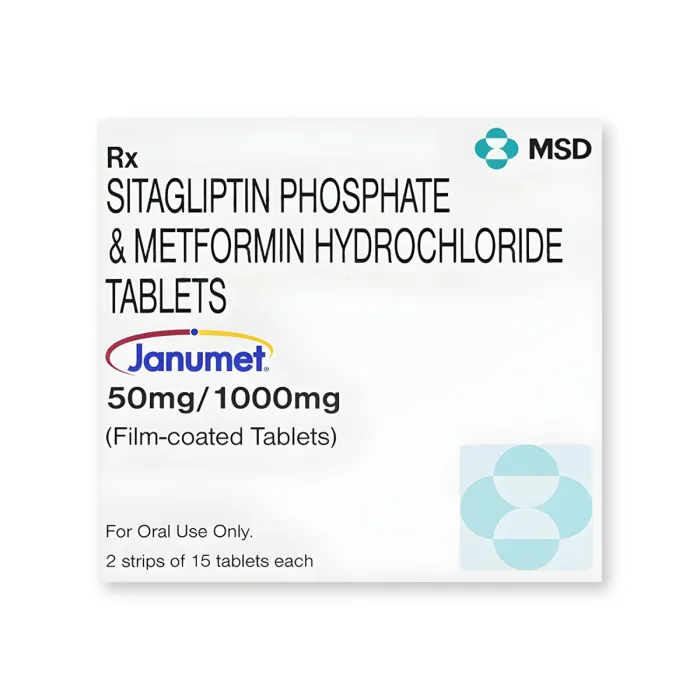
Janumet XR CP (Sitagliptin/Metformin)
Previous product
Ivermectol 12mg (Ivermectin)
A$18.00 A$52.00Price range: A$18.00 through A$52.00
Next product

Jardiance Met 12.5mg/1000mg (Empagliflozin/Metformin)
A$60.00 A$149.00Price range: A$60.00 through A$149.00
A$34.00 A$90.00Price range: A$34.00 through A$90.00
Out of Stock
Out of Stock
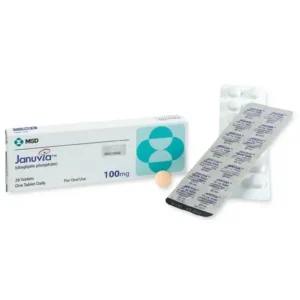
Janumet XR CP (Sitagliptin/Metformin)
| Pack Size | Price | Quantity | Add To Cart | |
|---|---|---|---|---|
| 28 Tablet/s | A$34.00 | |||
| 56 Tablet/s | A$64.00 | |||
| 84 Tablet/s | A$90.00 | |||
| Want to order in bulk / B2B price? Send Inquiry | ||||
×
Sorry!! Out of Stock
Sorry! Janumet XR CP (Sitagliptin/Metformin) is out of stock
Please click below to view other similar medications.
View All Sitagliptin/Metformin Products
Offer You Can't Resist
Free Shipping
Enjoy Free Shipping on Orders above AUD304 (USD199)
46
Last Updated on April 17, 2026

Description
Introduction
Janumet XR CP contains Sitagliptin with Metformin. It is designed to treat Type 2 Diabetes Mellitus (T2DM). The combination uses the complementary mechanisms between two well-established antidiabetic drugs to achieve better glycemic management.
- Sitagliptin inhibits Dipeptidyl Peptidase-4 (DPP-4).
- Metformin reduces the production of hepatic sugar and increases insulin sensitivity.
Janumet XR CP has been formulated in an extended release (XR), allowing for a once-daily dose with better GI tolerance.
Pharmacology
Sitagliptin
- It inhibits DPP-4, which is responsible for the degradation of incretin hormones GLP-1 & GIP.
- It increases the insulin secretion and decreases the glucagon release by prolonging its incretin-like action.
- It leads to an improvement in postprandial glucose and fasting blood sugar levels, without hypoglycemia.
Metformin
- Reduces basal sugar production by reducing hepatic glucose synthesis.
- Increases the peripheral glucose absorption and utilization in particular muscle tissue.
- It improves insulin sensitivity, and it has a positive effect on lipid metabolism.
- Low risk of hypoglycemia because it does not stimulate the insulin secretion.
Indications
The Janumet XR CP product is recommended for:
- Diet and exercise are adjuncts to the treatment of Type 2 Diabetes Mellitus.
- Metformin is used as the initial treatment for patients who are not adequately controlled with metformin.
- Use in conjunction with insulin or other anti-diabetic drugs.
- This product is not indicated for Type 1 Diabetes or Diabetic Ketoacidosis.
Dosage and Administration
General Guidelines:
- Janumet XR CP is taken once daily with the evening meal to maximize absorption and minimize gastrointestinal side effects.
- The tablets should not be crushed or chewed.
Typical Dosing:
- It depends on your patient’s glycemic level, current treatment, and tolerance.
- Common starting dose: Janumet XR CP 50 mg/500 mg or 50 mg/1000 mg sitagliptin/metformin once daily.
- The dose can be adjusted based on the glycemic responses, with a limit of 2000 mg/day metformin or 100 mg/day sitagliptin.
- Before initiation, and then periodically afterward, the renal function should be evaluated.
Pharmacokinetics
- Sitagliptin rapidly absorbs, reaching a peak plasma concentration in 1-4 hours.
- Metformin XR absorbs slowly, resulting in sustained plasma concentration.
- Sitagliptin is mainly excreted unchanged in the kidneys.
- Metformin is excreted unchanged through the kidneys. Renal function influences drug clearance.
Contraindications
- Renal impairment (eGFR <30 mL/min/1.73m²).
- Acute or chronic metabolic acidosis, including diabetic ketoacidosis.
- Hypersensitivity to sitagliptin, metformin, or any excipients.
- Hypoxia can be caused by certain conditions (e.g., heart failure or respiratory failure).
- Hepatic impairment (metformin contraindicated in severe cases).
- Drinking alcohol is linked to an increased chance of developing lactic acidosis.
Side Effects
Common Side Effects:
- Gastrointestinal: Nausea, diarrhea, abdominal discomfort (mainly from metformin).
- Upper respiratory tract infections (associated with sitagliptin).
- Headache.
Serious Side Effects:
- Lactic acidosis: Rare, but not life-threatening. Signs include myalgia and malaise. breathing problems, and malaise.
- Hypoglycemia: It is not common when used by itself, but the risks increase when combined with other hypoglycemic drugs.
- Pancreatitis (reported with sitagliptin): Severe abdominal pain requires immediate evaluation.
- Allergic reactions (rash, swelling).
Precautions
- Keep track of renal function on a regular basis and adjust dosage or stop when renal function decreases.
- Careful with elderly patients with impaired kidney function.
- Take a break from metformin for a few days before the iodine contrast imaging to lower the risk of lactic acidosis.
- Check for any signs of pancreatitis.
- Reduce doses or stop taking it in the event of severe stomach signs.
- Inform patients about the signs of lactic acidosis and hypoglycemia.
Drug Interactions
- The effects of drugs on the function of the kidneys (NSAIDs, diuretics, and ACE inhibitors) may raise the levels of metformin.
- Certain anti-diabetic medications can raise the risk of developing hypoglycemia.
- Beware of concomitant use with GLP-1 receptors, inhibitors of DPP-4, or antagonists.
- Certain medications (e.g. and cationic substances that are eliminated through renal tubular secretion) can increase the amount of metformin in your body.
Use in Special Populations
- Pregnancy: Category B is to be used only if required.
- Lactation: Metformin can be excreted through the breastmilk of infants; be sure to monitor them.
- Pediatrics: Insufficient evidence of safety or efficacy less than 18 years old.
- Elderly: The risk of increased lactose is due to a decrease in kidney function.
Monitoring Parameters
- Glycemic control (HbA1c, fasting glucose).
- Renal function (serum creatinine, eGFR).
- Liver function tests.
- Vitamin B12 levels (long-term metformin use may cause deficiency).
- Signs of pancreatitis.
Patient Counseling Points
- Consume food for a reduction in stomach discomfort.
- Avoid chewing or crushing extended-release tablets.
- Maintain diet and exercise regimen.
- If you notice signs of hypoglycemia or lactic acidosis right away.
- Continuously monitor your blood glucose levels and check in with your medical professional.
Storage
- Place in a cool, dry place free of heat and moisture.
- Make sure that the area is safe for young children.
Summary
Janumet XR CP (Sitagliptin/Metformin) is an effective, once-daily oral combination medication for managing Type 2 Diabetes Mellitus. It combines two complementary mechanisms—enhanced insulin secretion and reduced hepatic glucose production—improving glycemic control with a relatively low risk of hypoglycemia.
Additional Information
| Active Ingredient: | Sitagliptin/Metformin |
|---|---|
| Indication: | Type 2 Diabetes |
| Manufacturer: | MSD Pharmaceuticals India Pvt. Ltd. |
| Strength: | 100mg/1000mg |
| Packaging: | 14 Tablets in 1 Strip |
| Delivery Time: | 7 To 15 days |
Related products







Reviews
There are no reviews yet.