

Ivrea Cream (Ivermectin)
Previous product
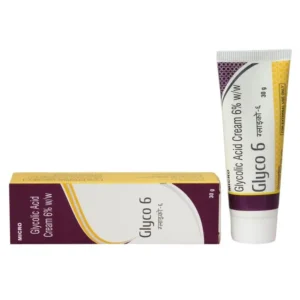
Glyco 6 Cream (Glycolic Acid)
$17.00 $45.00Price range: $17.00 through $45.00
Next product
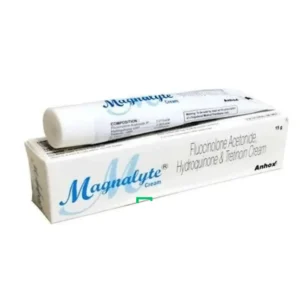
Magnalyte Cream 15gm
$21.00 $58.00Price range: $21.00 through $58.00
$15.00 $60.00Price range: $15.00 through $60.00
In Stock
In Stock
Ivrea Cream (Ivermectin)
| Pack Size | Price | Quantity | Add To Cart | |
|---|---|---|---|---|
| 1 Cream | $15.00 | |||
| 3 Cream/s | $36.00 | |||
| 6 Cream/s | $60.00 | |||
| Want to order in bulk / B2B price? Send Inquiry | ||||
×
Sorry!! Out of Stock
Sorry! Ivrea Cream (Ivermectin) is out of stock
Please click below to view other similar medications.
View All Ivermectin Products
Offer You Can't Resist
Free Shipping
Enjoy Free Shipping on Orders above AUD304 (USD199)
Estimate Shipping :
07 June - 14 June
22
Last Updated on April 13, 2026

Description
Introduction
Ivrea Cream can be described as an application-based cream that contains Ivermectin, which is an anti-parasitic, anti-inflammatory ingredient. The cream is used extensively in dermatology, especially in treating skin problems due to inflammation or parasites. The effectiveness of Ivermectin in tackling infections and reducing inflammation can make Ivrea Cream a valuable treatment choice.
Active Ingredient
- Ivermectin: A macrocyclic derivative that can bind selectively to the parasite nerve and muscle cell chloride channels. It causes an involuntary paralysis as well as the death of parasites.
- When applied to the skin, ivermectin can also provide anti-inflammatory benefits by decreasing inflammatory mediators on the skin.
Indications
Ivrea Cream is primarily used to:
- Rosacea: In particular, lesions with inflammation from papulopustular rosacea.
- Demodex folliculitis: It is caused by the Mite Demodex folliculorum. It is frequently linked with rosacea.
- Off-label use includes treatment for small scabies as well as other infections of the skin.
Mechanism of Action
- Antiparasitic action: Ivermectin connects with glutamate-gated chromium channels found in mites as well as other parasites. It disrupts the muscle and nerve function, which causes death of the parasite.
- Anti-inflammatory effect: Ivermectin lowers the amount of proinflammatory cytokines as well as reduces neutrophil chemotaxis, thus diminishing inflammation of the skin and lesion development.
Dosage and Administration
- Apply a thin layer of Ivrea Cream once daily to the affected skin area.
- Most often advised to use for 12 weeks or as recommended by a dermatologist.
- Make sure the skin is dry and clean before applying.
- Do not touch your lips, eyes, or mucous membranes.
- Make sure to wash your hands after applying the cream.
Pharmacokinetics
- Absorption of the system is minimal because of topical application.
- The highest concentration of skin cells is reached in less than an hour.
- There is a low risk of adverse systemic effects when compared with oral Ivermectin.
Side Effects
Common side effects include:
- Mild skin irritation (redness, itching, burning sensation).
- Dryness or peeling of the skin.
- Rash or itching at the application site.
Rare side effects:
- Allergic contact dermatitis.
- Photosensitivity reactions.
Precautions
- Beware of using if you’re you are allergic to Ivermectin or cream ingredients.
- Avoid using on broken or damaged skin.
- Do not recommend children below 12 years of age unless prescriptions are given.
- Beware of exposure to the sun or apply sun protection when your treatments.
- Don’t apply for large zones without medical advice.
Use During Pregnancy and Lactation
- There are no reliable data about the safety during pregnancy for women; use only if the benefits outweigh the risks.
- It’s not clear if ivermectin gets eliminated in breast milk. Make sure to consult with a physician prior to taking it.
Storage
- Keep at room temperature and far from direct sunlight.
- Make sure the tube is tightly shut.
- Be sure to keep away from young children.
Summary
Ivrea Cream (Ivermectin) is a secure and effective treatment for papulopustular rosacea as well as other skin parasite diseases that leverages ivermectin’s analgesic and anti-inflammatory capabilities. Its daily use, low body absorption, and manageable adverse effects make it an ideal choice in dermatological treatments.
Additional Information
| Manufacturer | Ajanta Pharma Ltd |
|---|---|
| Pharmaceutical | Creams |
| Strength | 1% |
| Pack Size | 1 Cream, 3 Cream/s, 6 Cream/s |
Related products




Recently Viewed
Reviews
There are no reviews yet.