

Ivabrad OD 15mg (Ivabradine)
Previous product
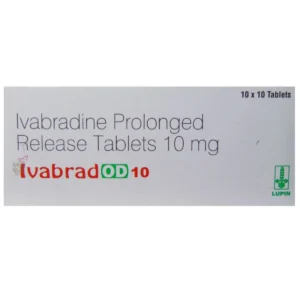
Ivabrad OD 10mg (Ivabradine)
$42.00 $112.00Price range: $42.00 through $112.00
Next product

Iverheal 1% Cream (Ivermectin)
$10.00 $48.00Price range: $10.00 through $48.00
$50.00 $135.00Price range: $50.00 through $135.00
In Stock
In Stock
Ivabrad OD 15mg (Ivabradine)
| Pack Size | Price | Quantity | Add To Cart | |
|---|---|---|---|---|
| 30 Tablet/s | $50.00 | |||
| 60 Tablet/s | $95.00 | |||
| 90 Tablet/s | $135.00 | |||
| Want to order in bulk / B2B price? Send Inquiry | ||||
×
Sorry!! Out of Stock
Sorry! Ivabrad OD 15mg (Ivabradine) is out of stock
Please click below to view other similar medications.
View All Ivabradine Products

Offer You Can't Resist
Free Shipping
Enjoy Free Shipping on Orders above AUD304 (USD199)
Estimate Shipping :
07 June - 14 June
43
Fast dispatch
I have ordered multiple times and always receive excellent service. Fast dispatch, reliable tracking, and great support.
 Australia
May 21, 2026
Last Updated on April 13, 2026

Description
Ivabrad OD 15mg (Ivabradine): Everything You Need to Know
Health of the heart is essential for an enjoyable life, specifically for those who suffer from heart issues which affect heart rate and. One drug that has proven to make significant improvements in treating some heart-related diseases is Ivabrad OD 15mg. Its main component is Ivabradine. It is a specific medication that targets the reduction of heart rate, providing relief and better outcomes for those suffering from specific heart problems. In this post, we’ll discuss the details of Ivabrad 15 mg of OD means what it means, how it operates, its advantages, side effects, and important safety precautions.
What is Ivabrad OD 15mg (Ivabradine)?
Ivabrad OD 15mg is a kind of Ivabradine that is an anti-heart rate drug mostly used for treating those suffering from persistent heart failure as well as stable angina (chest pain due to reduced circulation of blood into the heart). Its “OD” of the label refers to “once every day,” which means that this extended-release drug is meant to be used once per day to make it easier.
Ivabradine belongs to a category of medications known by the name If channel inhibitors, also known as funny channel blockers. These drugs can reduce heart rate through the action of the sinoatrial node, which is the heart’s natural pacemaker.
How Does Ivabradine Work?
Ivabradine specifically blocks the If (funny) flow in the sinoatrial nerve. The IF current is accountable for regulating the heart’s pacemaker activity as well as controlling the rate of heart rate. Through blocking these channels, Ivabradine reduces heart rate while not affecting the force of the heart’s contractions or blood pressure dramatically.
Reduced heart rate can reduce the heart’s workload and the oxygen demand, and can help:
- Enhance the symptoms of stable angina by decreasing chest pain.
- Increase the chances of success and lessen hospitalization for patients suffering from chronic heart failure by assisting the heart to work more effectively.
Who Should Take Ivabrad OD 15mg?
Ivabrad OD 15mg has been typically recommended to treat:
- Patients with chronic heart failure have an average resting heart rate of more than 70 beats per minute. They are currently taking traditional heart failure treatment options such as beta-blockers, ACE inhibitors, or diuretics, and still suffer from signs and symptoms.
- Patients suffering from stable angina pectoris who are unable to be treated with beta-blockers or when beta-blockers are contraindicated.
Important: Ivabradine isn’t prescribed to treat the problem of high blood pressure by itself or as a treatment for acute heart attacks.
Dosage and Administration
- The standard starting dosage is 5 mg twice daily. However, using the 15 mg OD formula, it’s specifically designed to be used once daily.
- Based on the patient’s response as well as resting heart rate, the dosage can be adjusted.
- It is important to maintain an average heart rate of 50 and 60 beats per minute.
- Consume Ivabrad OD 15 mg with your meals to increase absorption.
- Avoid stopping the medication abruptly without consulting your physician.
Benefits of Ivabrad OD 15mg
- Targeted heart rate reduction: In contrast to beta-blockers, Ivabradine doesn’t decrease blood pressure or heart muscle contraction.
- Improved exercise tolerance: Patients who have stable angina frequently have less chest pain, as well as a better capacity to complete their everyday routine.
- Reduced hospitalizations: When a heart fails continuously, Ivabradine can reduce the number of hospitalizations.
- Once-daily dosing: Extended-release formulation helps improve adherence in patients.
- Fewer side effects compared to beta-blockers: Like less fatigue, or the feeling of dizziness.
Possible Side Effects
Although Ivabrad OD 15mg is typically easily absorbed, some adverse reactions can happen:
Common side effects:
- Bradycardia (slow heart rate)
- Headache
- Dizziness or lightheadedness
- Visual disturbances (like seeing light phenomenon or flashes of light that are temporary)
- Fatigue
Less common but serious side effects:
- A bradycardia-like symptom that causes fainting or dizziness
- Atrial fibrillation (irregular heartbeat)
- Hypotension (low blood pressure)
If you feel dizzy or faint, or an erratic heartbeat, you should seek medical attention immediately.
Precautions and Contraindications
Before taking Ivabrad OD 15mg, inform your doctor if you:
- Are suffering from sick sinuses, severe hypotension, or a severe heart block with no pacemaker.
- Keep your resting heart rate under 60 beats per minute.
- Are pregnant or breastfeeding.
- You are taking medicines that alter heart rate and rhythm, like beta-blockers, calcium channel blockers (verapamil or diltiazem), and other drugs that affect heart rate or rhythm.
- Have liver problems.
Interactions
Ivabradine is a drug that can interact with other drugs, such as:
- The strongest CYP3A4 inhibitors (like clarithromycin and ketoconazole) or Ritonavir) which may increase Ivabradine levels as well as the risk of adverse side effects.
- Other drugs that lower heart rate include beta-blockers, calcium channel blockers.
- The drugs that increase the QT interval (certain drugs that slow the heart rate, like antipsychotics and antiarrhythmics).
Make sure to provide your doctor with the complete list of your medications currently in use to avoid interactions.
Lifestyle Tips While on Ivabrad OD 15mg
- Check your heartbeat regularly in accordance with your physician’s recommendations.
- Do not drink too much caffeine or other stimulants, which can raise the heart rate.
- Keep a healthy diet and workout routine, adapted according to the advice of your physician.
- Do not abruptly stop taking medication.
When to See a Doctor
Consult your physician if you have:
- A persistently slow heart rate or dizziness
- Chest pain that is getting worse or new
- Afflicted with fatigue, shaky eyes, or other symptoms that are not explained.
- Disturbing visual images that interfere with everyday routine
Storage Instructions
- Keep at room temperature between 20-25°C (68-77°F).
- Beware of moisture and direct sunlight.
- Make sure that the area is safe for youngsters.
Conclusion
Ivabrad OD 15mg (Ivabradine) provides a specific and efficient method of managing heart rate for patients suffering from persistent heart failure as well as stable angina. The unique process, fewer negative side effects, and the daily dosage make it an ideal choice for many people struggling with these ailments. But it should be administered exactly as directed and with careful surveillance for any side reactions and interactions.
If you or your family member is thinking of Ivabrad OD 15mg, speak with your doctor to develop a treatment program that is suited to the needs of your heart.
Disclaimer
This blog article is meant solely for informational purposes and should not substitute for medical advice from a professional. Always consult your physician before beginning or stopping any medications.
Additional Information
| Active Ingredient: | Ivabradine |
|---|---|
| Indication: | Chest pain (Angina), Heart failure |
| Manufacturer: | Lupin Limited |
| Strength: | 15mg |
| Packaging: | 10 Tablets in 1 Strip |
| Delivery Time: | 7 To 15 days |
Related products



Recently Viewed



Reviews
There are no reviews yet.