

Itrasel 100mg (Itraconazole)
Previous product
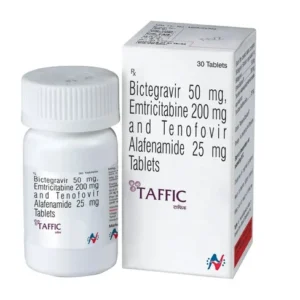
Taffic 30mg (Bictegravir/Emtricitabine/Tenofovir Alafenamide)
A$161.44 A$414.12Price range: A$161.44 through A$414.12
Next product
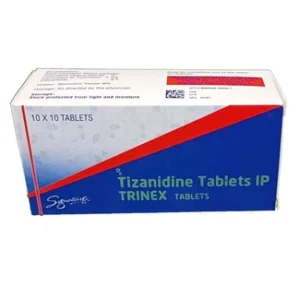
Trinex 2mg (Tizanidine)
A$35.10 A$167.05Price range: A$35.10 through A$167.05
A$105.29 A$245.67Price range: A$105.29 through A$245.67
Out of Stock
Out of Stock
Itrasel 100mg (Itraconazole)
| Pack Size | Price | Quantity | Add To Cart | |
|---|---|---|---|---|
| 60 Capsule/s | A$105.29 | |||
| 90 Capsule/s | A$131.61 | |||
| 120 Capsule/s | A$157.93 | |||
| 200 Capsule/s | A$245.67 | |||
| Want to order in bulk / B2B price? Send Inquiry | ||||
×
Sorry!! Out of Stock
Sorry! Itrasel 100mg (Itraconazole) is out of stock
Please click below to view other similar medications.
View All Itraconazole Products
Offer You Can't Resist
Free Shipping
Enjoy Free Shipping on Orders above AUD304 (USD199)
42
Excellent service overall
Smooth checkout, quick dispatch, and secure delivery. Excellent service overall
 Australia
October 1, 2026
Last Updated on April 13, 2026

Description
Introduction
Itrasel 100mg is a kind that is a derivative of Itraconazole, which is an antifungal drug that is prescribed to treat many types of fungal diseases. It’s part of the group of medicines called antifungals with azole, which work by reducing the growth of fungi, which is the reason why it treats the infections that are caused by these microorganisms. Itraconazole can be effective against many different fungi that include dermatophytes, yeasts, and molds.
What is Itraconazole?
Itraconazole is a triazole antifungal drug that is mainly used to treat fungal infections of the system and certain localized fungal diseases that are not responsive to other treatments. The medication is typically prescribed to treat conditions such as:
- Blastomycosis
- Histoplasmosis
- Aspergillosis
- Onychomycosis (fungal nail infections)
- Candidiasis (certain types)
- Additional superficial and systemic fungal infection
Itraconazole acts by blocking the fungal Cytochrome P450 enzyme, 14α-demethylase, vital in the conversion of lanosterol into the ergosterol that is a vital element of the cell membrane. The disruption of ergosterol production can compromise cell membrane integrity and cause the death of fungal cells or a slowing of growth.
Indications
Itrasel 100mg can be prescribed for:
- Fungal infections that cause systemic inflammation, like histoplasmosis, blastomycosis, and aspergillosis.
- Onychomycosis (toenail and fingernail fungal infections)
- Candidiasis that affects the mucous membranes and skin
- Other fungal infections that are superficial, such as tinea corporis, tinea pedis, and tinea cruris, when treatment with topical medication is not effective
- Antibiotics to prevent fungal infection among immunocompromised patients (e.g., patients with cancer or transplant recipients)
Mechanism of Action
Itraconazole is a selective inhibitor of the fungal cell cytochrome P450 14α-demethylase enzyme that prevents lanosterol from being converted into ergosterol. Ergosterol is a key element of the membranes of fungal cells; therefore, its absence results in an increase in membrane permeability as well as destruction of membrane-bound enzymes, eventually limiting fungal growth and causing fungal cell death.
Dosage and Administration
General Dosage Guidelines:
- Onychomycosis: 200 mg twice every day for 12 weeks, or 200 mg daily twice each week over a period of 2 to 3 months (pulse therapy)
- Systemic infections: In most cases, 200 mg is taken every day, or once. The duration of treatment varies based on the degree and response of the patient
- Superficial fungal infections: 100-200 mg per day, based on the condition and the physician’s discretion
Administration Tips:
- Itraconazole capsules must be consumed in conjunction with food for better absorption.
- Capsules must be sucked whole by drinking a large glass of water.
- Beware of antacids, H2 blockers, and proton pump inhibitors before the time of administration because they decrease stomach acidity and interfere with the absorption of itraconazole.
- In patients who are not able to consume capsules in conjunction with food orally, oral solutions may be a better choice, since they don’t require stomach acid for absorption.
Pharmacokinetics
- Absorption: The bioavailability of the oral cavity is increased by food, and it requires an acidic stomach atmosphere.
- Distribution: The body’s tissues are widely distributed, which includes skin and nails.
- Metabolism: The liver is a major source of metabolism via CYP3A4.
- Elimination: Most commonly, bile is absorbed into feces. Some of it is eliminated in urine.
Side Effects
Common Side Effects:
- Nausea, vomiting
- Abdominal pain
- Diarrhea
- Headache
- Dizziness
- Rash
Serious Side Effects:
- Hepatotoxicity: Itraconazole could cause liver damage. The signs include: jaundice, extreme fatigue, dark urine, and abdominal discomfort.
- Heart failure: Very rare cases of congestive cardiac malfunction have been reported. Be cautious when using this medication in patients suffering from heart disease.
- Allergic reactions: Rash, itching, swelling, breathing difficulties.
- QT prolongation: It is rare, but it could lead to grave heart rhythm issues.
- Peripheral neuropathy: The sensation of numbness or tingling in the areas of the extremities (rare).
Contraindications
- Hypersensitivity is known to itraconazole, or any of the azole antifungals
- Patients who have heart insufficiency or a history of heart failure or ventricular dysfunction
- Drugs that are co-administered with each other may prolong the QT interval, or the use of strong CYP3A4 inhibitors/inducers, which interact dangerously when combined with itraconazole (e.g., Cisapride, quinidine, terfenadine).
- A severe hepatic impairment (caution recommended)
Drug Interactions
Itraconazole is a powerful inhibitor of CYP3A4. This means that it may boost blood levels of many other medications metabolized by this enzyme. This can lead to the possibility of serious adverse effects. Some important interactions:
- Statins (simvastatin, lovastatin) – The risk of muscle injury (rhabdomyolysis)
- Benzodiazepines (midazolam, triazolam) – excessive sedation
- Calcium channel blockers (verapamil, diltiazem) – elevated blood levels, increased potential for toxicity
- Warfarin – an increase in anticoagulant effects, an increased possibility of bleeding
- Phenytoin, carbamazepine – could decrease levels of itraconazole.
- Rifampin and other CYP3A4 inducers – Itraconazole levels significantly drop, which can reduce the effectiveness of itraconazole.
Be sure to review your medications regularly with your doctor.
Precautions
- Tests for liver function should be performed regularly throughout the course of treatment.
- Be cautious when using this medication in patients who have an existing heart or liver disease.
- Do not use during pregnancy or in lactating women, unless the benefits outweigh the risks.
- Healthcare providers should be informed of all medications taken to prevent potential interactions.
- Beware of alcohol consumption in therapy to decrease strain on the liver.
Use in Special Populations
- Pregnancy: Category C – use only in cases of absolute necessity; risk and benefit need to be evaluated.
- Lactation: It is not known if itraconazole enters breast milk. Use with caution.
- Elderly: Could be more susceptible to adverse effects. Dose changes may be required.
- Pediatric: The safety and effectiveness of children’s medicines depend on the indication, and they must be prescribed by a doctor.
Overdose
Overdose symptoms can include vomiting, nausea, stomach pain, confusion, and even toxic liver damage.
If there is a suspicion of overdose, you should seek medical emergency care immediately.
Storage
- Store at room temperature (20°C to 25°C / 68°F to 77°F).
- Beware of moisture and the light.
- Make sure that the area is safe for young children.
Summary
Itrasel 100mg (Itraconazole) is a broad-spectrum antifungal that is effective against a variety of mild and systemic fungal illnesses. It acts by disrupting the fungal cell membrane and causing the death of fungal cells. This requires careful dosage and surveillance due to the possibility of negative side effects, drug interactions, as well as the necessity to have an acidic environment to ensure efficient absorption. Patients must follow the instructions for dosing closely and notify healthcare professionals of any other medication they’re taking.
Additional Information
| Active Ingredient: | Itraconazole |
|---|---|
| Indication: | Fungal infections |
| Manufacturer: | Sterlife Pharma Pvt. Ltd. |
| Packaging: | 10 capsules in Strip |
| Strength: | 100mg |
| Delivery Time: | 7 To 15 days |
Related products


Reviews
There are no reviews yet.