

Inmesin 50mg (Indomethacin)
Previous product
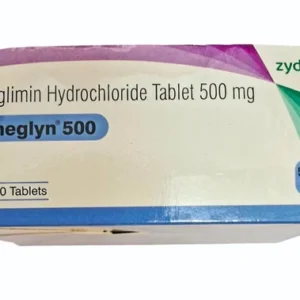
Imeglyn 500mg (Imeglimin)
A$54.87 A$135.74Price range: A$54.87 through A$135.74
Next product
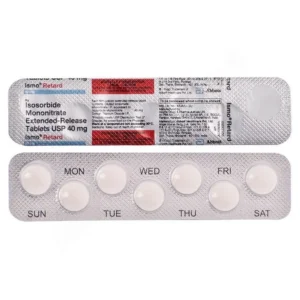
Ismo Retard 40mg (Isosorbide Mononitrate)
A$49.10 A$118.41Price range: A$49.10 through A$118.41
A$64.98 A$102.93Price range: A$64.98 through A$102.93
In Stock
In Stock
Inmesin 50mg (Indomethacin)
| Pack Size | Price | Quantity | Add To Cart | |
|---|---|---|---|---|
| 60 Capsule/s | A$64.98 | |||
| 90 Capsule/s | A$85.77 | |||
| 120 Capsule/s | A$102.93 | |||
| Want to order in bulk / B2B price? Send Inquiry | ||||
×
Sorry!! Out of Stock
Sorry! Inmesin 50mg (Indomethacin) is out of stock
Please click below to view other similar medications.
View All Indomethacin Products


Offer You Can't Resist
Free Shipping
Enjoy Free Shipping on Orders above AUD304 (USD199)
Estimate Shipping :
22 July - 29 July
36
Last Updated on April 13, 2026

Description
Inmesin 50mg (Indomethacin): A Complete Guide to This Pain and Inflammation Reliever
The effects of inflammation and pain could significantly influence the quality of life in the case of injuries, arthritis, or any other health illnesses. The most commonly prescribed medicine that can manage severe or moderate inflammation and pain includes Inmesin 50mg, which contains Indomethacin which is a potent nonsteroidal anti-inflammatory medication (NSAID).
This blog post will cover the essential information you should be aware of about Inmesin 50mg, what it does with its functions, how to use it, dosage directions, potential side effects, warnings, as well as crucial tips to use it safely.
What is Inmesin 50mg?
Inmesin 50mg is a drug that has Indomethacin in it as the main ingredient. Indomethacin is a member of the category of medications called nonsteroidal anti-inflammatory medicines (NSAIDs), which help reduce swelling, pain, and inflammation.
The medication is used to alleviate the symptoms of conditions like bursitis, arthritis, gout, tendonitis, and many other inflammation-related disorders.
How Does Inmesin Work?
Indomethacin acts by blocking the cycle of cyclooxygenase (COX) and COX-1 as well as COX-2. They are accountable for producing prostaglandins, which are chemical compounds that cause pain, inflammation, as well as high fever.
Through blocking COX enzymes, Inmesin lowers the amount of prostaglandin produced, which results in less inflammation, relief from pain, and lower temperature.
Uses of Inmesin 50mg
Inmesin 50mg is typically used to treat:
- Osteoarthritis and Rheumatoid Arthritis
- Ankylosing spondylitis
- Gout attacks and prevention
- Bursitis and tendonitis
- Other musculoskeletal inflammatory conditions
- Pain relief after surgery or injury
Dosage and Administration
- Adults’ dose can range from 25mg to 50mg, every two to three days, depending on health condition and the severity.
- Inmesin 50mg are to be consumed orally along with water.
- For a lessening of stomach discomfort to reduce stomach irritation, you can take the medication by mouth or with milk.
- Avoid chewing or crushing tablets, unless advised by your doctor.
- Always adhere to your doctor’s recommended dosage and timetable.
- Don’t exceed the dose recommended to prevent the risk of developing side effects.
Potential Side Effects
As with all NSAIDs may cause adverse reactions, which range from minor to serious.
Common side effects include:
- Stomach pain or discomfort
- Nausea and vomiting
- Heartburn or indigestion
- Dizziness or headache
- Diarrhea or constipation
Serious side effects (seek immediate medical attention):
- The signs of bleeding in the stomach (black stool, bloody vomiting)
- Allergic reactions severe (rash, Itching, and swelling)
- Breathing problems or chest discomfort
- A swelling of the face, the lips, the tongue, or the throat
- Extreme abdominal pain
Precautions and Warnings
- Tell your physician if you have any history or history of gastric ulcers, bleeding disorders, heart disease, asthma, or liver or kidney problems.
- Beware of using Inmesin if you have an allergy to NSAIDs.
- Use only in the final trimester of the pregnancy.
- Be cautious when you are taking corticosteroids, blood thinners, and other NSAIDs.
- A regular monitoring program may be required in the long run for use.
- Drinking alcohol is not recommended, since it may make your stomach more sensitive and increase the risk of bleeding.
- If you’re experiencing nausea, frequent vomiting, or bleeding that is unusual, seek immediate medical attention.
Interactions
Inmesin can interplay with:
- Anticoagulants (blood thinners) like warfarin
- Other NSAIDs or corticosteroids
- Blood pressure medications
- Diuretics
- Lithium
- Methotrexate
It is important to inform your physician about any medication or supplement you are taking.
Lifestyle Tips While Using Inmesin
- You should take the medication along in conjunction with food to safeguard your stomach.
- Beware of smoking and drinking alcohol.
- Drink plenty of water and ensure the right balance in your food plan.
- Be sure to report any adverse side effects or symptoms that are unusual promptly to your doctor.
- Do not drive or operate machinery when you are experiencing dizziness or sleepiness.
Frequently Asked Questions (FAQs)
Q: Can I take Inmesin 50mg every day?
If recommended by your physician. The long-term use of this medication requires supervision by a doctor.
Q: What should I do if I miss a dose?
Do it as quickly as you remember or very close to the time of your next dose. Avoid taking two doses.
Q: Is Inmesin safe for elderly patients?
Take care and make sure you are under medical supervision because of the greater risk of side effects.
Q: Can Inmesin cause stomach ulcers?
Yes, In fact, long-term use may raise the risk of developing bleeding and ulcers.
Conclusion
Inmesin 50mg (Indomethacin) is a strong NSAID that is utilized to treat the inflammation and pain that is caused by various illnesses such as gout and arthritis. Though it’s effective, it’s the use of a medical professional in order to reduce the risk of adverse side consequences, specifically those that impact the cardiovascular system and stomach.
If you’re prescribed Inmesin, always adhere to the instructions of your doctor and report any negative reactions promptly, and go to periodic check-ups to be sure that you are receiving a safe treatment.
Additional Information
| Active Ingredient: | Indomethacin |
|---|---|
| Indication: | Pain Relief |
| Manufacturer: | Jagsonpal Pharmaceuticals Ltd. |
| Strength: | 50mg |
| Packaging: | 10 Capsules in 1 Strip |
| Delivery Time: | 7 To 15 days |
Related products





Recently Viewed


Reviews
There are no reviews yet.